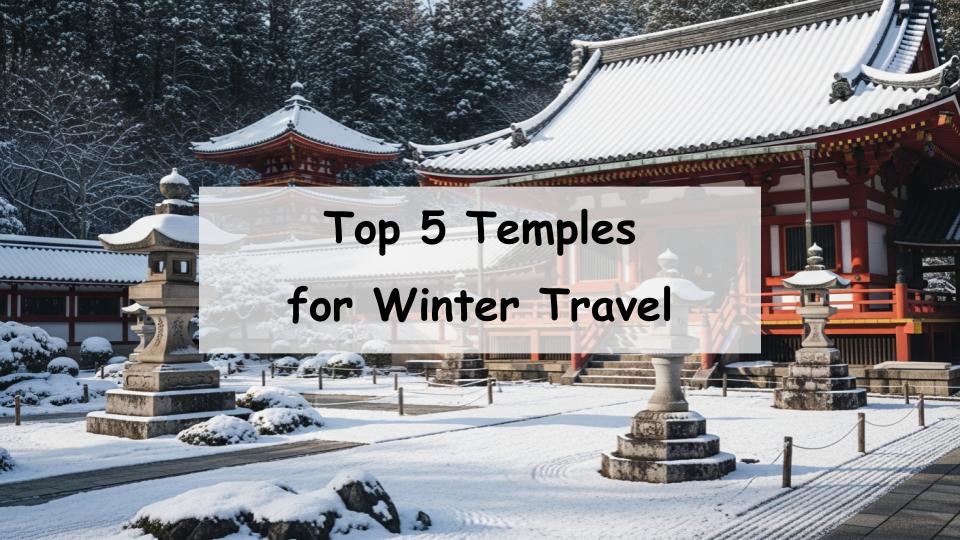
Are you planning a winter trip but worrying about the biting cold or wondering where to go to find truly special seasonal scenery? While the low temperatures might make you hesitate, “temple visiting” is actually the most recommended way to experience the weight of history and a sense of profound serenity that only this season can offer. Temples standing in the crisp, clear air provide a dignified beauty and deep atmosphere that you simply cannot find in any other season.
In this article, we will introduce specific secrets to enjoying your winter travels ten times more, along with a curated list of “recommended temples” you should visit during this time of year. By the end of this guide, you will surely find the perfect travel plan for experiencing the best that the cold season has to offer.
- 3 Reasons Why Temple Visiting is Recommended for Winter Travel
- Points for Visiting Temples to Enjoy Winter Travel 10 Times More
- 5 Recommended Temples to Experience History and Atmosphere in Winter
- [Kyoto] Sanzen-in: A Stunning Contrast of Snow and Moss
- [Yamagata] Risshaku-ji (Yamadera): A World of Ink-Wash Painting
- [Ishikawa] Tentoku-in: Viewing the Winter Tradition of “Yukizuri”
- [Kamakura] Hase-dera: Winter Flowers Coloring the Grounds
- [Wakayama] Kongobu-ji (Koyasan): A Sacred Site in Serene Air
- Precautions and Cold Weather Preparation for Temple Visiting
- Conclusion: Go Find the Emotional Scenery Only Found in Winter
- A Message from the Guide
3 Reasons Why Temple Visiting is Recommended for Winter Travel
Healing Through Clear Air and Silence
When you pass through a temple gate on a winter morning, you are enveloped in air that is surprisingly clear despite the piercing cold. Because humidity is lower in winter, your vision remains sharp, allowing you to appreciate the intricate details of the temple architecture and the delicate branches of the trees more vividly. Furthermore, since there are fewer visitors compared to other seasons, you can enjoy a level of silence where only your own footsteps echo. Immersing yourself in such a quiet environment helps you forget the bustle of daily life and provides deep mental healing.
The Appeal of Winter-Limited Snowscapes and Special Viewings
The beauty of a temple covered in snow is extraordinary. Pure white snow blankets the roofs and gardens, creating a stunning contrast with vermilion gates or black-lacquered buildings. Additionally, many temples hold special public viewings of hidden Buddha statues or important cultural properties specifically during the winter months. These limited-time sights and experiences transform a winter trip into something far more valuable and special than a standard vacation.
Savoring History Peacefully by Avoiding Crowds
During peak tourist seasons like spring cherry blossoms or autumn foliage, most temples are crowded, making it difficult to appreciate the surroundings at your own pace. However, during the winter, the number of visitors is relatively low. This allows you to sit inside the halls, face the Buddhist statues mindfully, or gaze at the gardens while reflecting on history without being rushed. Being able to spend time without worrying about the clock is perhaps the greatest luxury of winter temple visiting.
Points for Visiting Temples to Enjoy Winter Travel 10 Times More
Enjoying “Sound” and “Scent” in the Crisp Air
When visiting temples in winter, it is important to sharpen your five senses. Because the air is dry, the sound of temple bells and the chanting of sutras resonate more beautifully and travel further. Moreover, the scent of incense drifting through the silence has a mysterious effect of calming both a cold body and a busy mind. By stopping to close your eyes and listening to the unique sounds and scents of the location, you can more deeply sense the historical atmosphere of the temple.

Checking Goshuin and Winter-Limited Charms
Many temples offer Goshuin (temple stamps) and Omamori (charms) with designs that vary by season. During winter, you may find elegant designs featuring snowflake motifs or colorful winter camellias. Collecting these as memories of your journey is one of the great joys of winter temple visiting. Additionally, there are many items available only at this time, such as lucky charms for the New Year, so be sure to check the temple reception desk.
Enjoying Local Winter Gourmet and Sweet Shops
After finishing your temple visit, it is highly recommended to enjoy winter delicacies at nearby tea houses or restaurants. Hot treats like “Zenzai” or “Oshiruko” (sweet red bean soup), which warm your body from the inside, and Buddhist vegetarian cuisine (Shojin Ryori) using seasonal winter ingredients, offer exceptional flavors unique to this time of year. Spending time with a warm drink while looking out at a historical streetscape will further enhance the satisfaction of your trip.

5 Recommended Temples to Experience History and Atmosphere in Winter
[Kyoto] Sanzen-in: A Stunning Contrast of Snow and Moss
Located in Ohara, Kyoto, Sanzen-in is a temple where winter silence feels most at home. The sight of the moss garden, Ojo-gokuraku-in, covered in a blanket of snow is as beautiful as a traditional Japanese painting. The tiny “Warabe Jizo” (child-like stone statues) peeking out from the snow are incredibly charming and warm the hearts of visitors. As this area gets more snow than central Kyoto, it is a place where you can expect a truly ethereal silver world.

[Yamagata] Risshaku-ji (Yamadera): A World of Ink-Wash Painting
Commonly known as “Yamadera,” the mountain temple of Hojusan Risshaku-ji offers a breathtaking view as the entire mountain is wrapped in white snow, resembling a monochrome ink-wash painting. The 1,015 stone steps leading from the trailhead to the inner sanctuary are a challenging trek in winter, but the view from the Godaido hall at the top is spectacular. The landscape of the temple perched on a cliff overlooking a snow-covered village is undoubtedly a highlight of any winter trip.

[Ishikawa] Tentoku-in: Viewing the Winter Tradition of “Yukizuri”
At Tentoku-in in Kanazawa, you can see “Yukizuri,” a traditional gardening technique unique to winter. These cone-shaped rope structures, designed to prevent branches from breaking under the weight of snow, are a beautiful winter tradition combining functionality and heritage. The sight of the meticulously maintained garden adorned with snow exudes an elegance that recalls the history of the Kaga Domain. You can immerse yourself in the winter mood of Kanazawa while gazing at the Yukizuri in the quiet temple grounds.

[Kamakura] Hase-dera: Winter Flowers Coloring the Grounds
Known as the “Temple of Flowers,” Hase-dera in Kamakura offers plenty of sights even in winter. Winter peonies, wintersweet (Roubai), and daffodils bloom amidst the harsh cold, adding vibrant colors to the temple grounds. The sight of vivid flowers blooming in the white snow is particularly striking. Furthermore, from the temple’s observation platform, you can look out over Sagami Bay under a clear winter sky, enjoying the openness where the blue of the sea meets the temple landscape.

[Wakayama] Kongobu-ji (Koyasan): A Sacred Site in Serene Air
Koyasan is a sacred site of Shingon Esoteric Buddhism located on a mountain plateau at an altitude of about 800 meters. In winter, Kongobu-ji is enveloped in overwhelming holiness alongside the severe cold. Walking through the snow-covered “Danjo Garan” or the cedar-lined paths of “Okunoin,” you can simultaneously feel a unique tension in the air and a deep sense of peace. Spending time reflecting on yourself in this silent sacred ground will give profound meaning to your winter journey.

Precautions and Cold Weather Preparation for Temple Visiting
Floors are Cold! Thick Socks and Heat Packs are Essential
When visiting temples, you are often required to take off your shoes and enter the main halls. Since wooden floors in winter can be extremely cold and quickly drain your body heat, it is recommended to wear thick socks or bring an extra pair. Additionally, using adhesive heat packs (Kairo) on your lower back or shoulders will keep you comfortable during long visits. Because the chill from the floor affects your entire body, focused preparation for your feet is necessary.
Be Aware of Shortened Visiting Hours
Since the sun sets early in winter, many temples tend to shorten their visiting hours compared to the rest of the year. To avoid arriving just as the gates are closing, be sure to check the opening and closing times on official websites in advance. Furthermore, temperatures drop rapidly after 3:00 PM, so it is wise to plan your schedule to finish your visits during the daylight hours when the sun is still out.
Choosing the Right Footwear for Snowy Roads
Temples often have many stone steps and slopes, which can become extremely slippery if snow accumulates or ice forms. Especially when visiting temples in mountainous areas, choose shoes that prioritize ease of walking, such as boots with non-slip soles or snow shoes. Avoid leather shoes or heels; by preparing footwear that can firmly grip the ground, you can enjoy the scenery safely and without the fear of falling.
Conclusion: Go Find the Emotional Scenery Only Found in Winter
Visiting temples during a winter trip is a journey to find the beauty hidden within the harsh cold and the serene time woven by history. The snowscapes viewed through clear air and the moments of healing with warm sweets are luxuries unique to this season.
By taking proper cold-weather precautions and setting a relaxed schedule, temple visiting in winter becomes an incredibly enriching experience. Use this article as a guide to set out on your own special winter journey. Surely, an emotional landscape that makes you forget the cold is waiting for you.
A Message from the Guide
Rechargeable hand warmers are highly recommended for the cold winter months. Some models even double as a power bank for your smartphone.



Comment