Are you planning a trip to Ishiyamadera Temple in Otsu City, Shiga Prefecture?
“I’ve heard it’s related to Murasaki Shikibu, but what exactly can I see there?”
“I want to know about the seasonal scenery and the most efficient way to tour the grounds.”
“I also need to check access methods and information about the surrounding area.”
Many travelers like yourself likely have these questions before visiting.
To give you the conclusion first: Ishiyamadera is a historic sacred site known as the place where The Tale of Genji began, and it is also one of Shiga’s premier sightseeing spots, known as the “Temple of Flowers” for its stunning seasonal scenery. The temple grounds are rich with impressive cultural properties, including the National Treasure Main Hall standing atop a massive formation of wollastonite rock.
In this article, we will thoroughly explain the history, characteristics, unmissable highlights, and access methods for Ishiyamadera Temple. Please read through to the end as a guide to fully enjoying the charms of this magnificent temple.
- What is Ishiyamadera Temple? History and Features
- Must-See Highlights and Power Spots at Ishiyamadera
- The Charm of Murasaki Shikibu and The Tale of Genji
- Ishiyamadera Goshuin, Amulets, and Souvenirs
- Visiting Hours, Fees, and Duration
- Access to Ishiyamadera and Parking
- Recommended Lunch and Gourmet Around Ishiyamadera
- A Message from the Guide
What is Ishiyamadera Temple? History and Features
The 13th Temple of the Historic Saigoku Kannon Pilgrimage Established in the Nara Period
Ishiyamadera Temple is located in Otsu City, Shiga Prefecture. It is a historic temple founded in the 19th year of the Tenpyo era (747 AD) by Roben Sojo at the behest of Emperor Shomu. It serves as the 13th stop on the “Saigoku Kannon Pilgrimage,” a sacred route dedicated to Kannon worship. Along with Kiyomizudera Temple in Kyoto and Hasedera Temple in Nara, it has long attracted many pilgrims. In the Heian period, “Ishiyama Pilgrimage” became popular among aristocrats, and the temple frequently appears as a setting in court literature, deeply rooting it in Japanese history and culture.
The “Temple of Flowers” and Seasonal Views
Beyond its historic buildings, Ishiyamadera is known for its beautiful natural scenery throughout the seasons, earning it the nickname “Temple of Flowers.” In spring, cherry blossoms dye the grounds a pale pink, followed by vibrant azaleas and peonies. Autumn brings fiery red foliage, and the nighttime illumination events are particularly popular. The plum blossoms and snowy landscapes of winter are also atmospheric, making the temple a charming destination where visitors can enjoy the beauty of Japan’s four seasons at any time of year.
The Giant “Wollastonite” Rock Formation Behind the Name
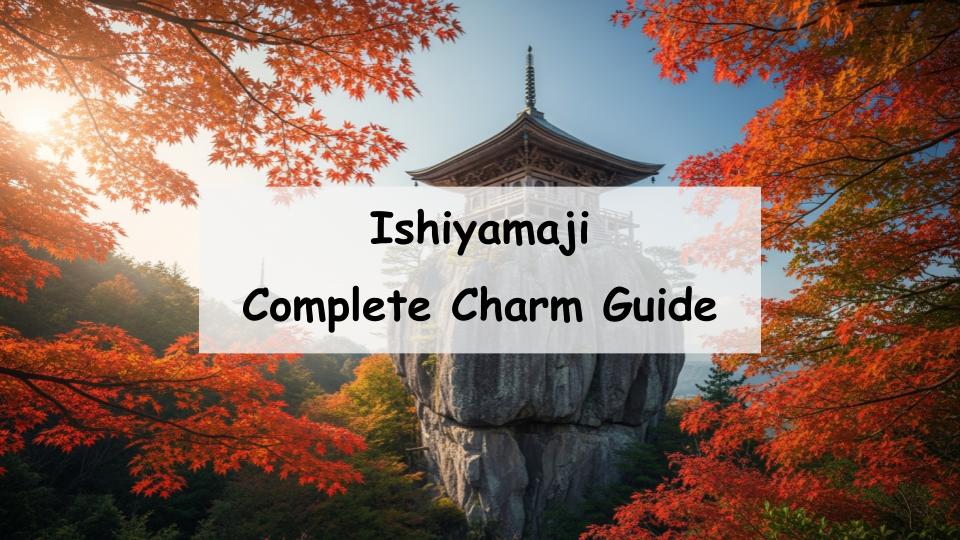
The name “Ishiyamadera” (literally “Stone Mountain Temple”) is derived from the massive rock formation exposed within the temple grounds. This rock is called “wollastonite” (keikaiseki) and is designated as a Natural Monument of Japan. Wollastonite is typically formed through the metamorphism of marble, but it is extremely rare for such a gigantic mass to appear above ground. The Main Hall is built directly upon this massive rock, creating an overwhelming presence and mystical sight that leaves a strong impression on visitors.
Must-See Highlights and Power Spots at Ishiyamadera
[National Treasure] The Main Hall and “The Genji Room”
The Main Hall of Ishiyamadera is considered the oldest wooden building in Shiga Prefecture and is designated as a National Treasure. Built upon the wollastonite rock using a suspension structure method known as kake-zukuri, its appearance is breathtaking. Inside the Main Hall is “The Genji Room,” where the Heian period female author Murasaki Shikibu is said to have conceived the idea for The Tale of Genji while on a retreat. A doll depicting Murasaki Shikibu writing is placed here, making it a holy site for literature fans.
[National Treasure] Japan’s Oldest Tahoto Pagoda
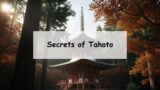
The Tahoto Pagoda, built in 1194 with a donation from Minamoto no Yoritomo, is also designated as a National Treasure. It is the oldest existing Tahoto pagoda in Japan and is counted among the three great Tahoto pagodas of the country due to its balanced and graceful form. Retaining the architectural style of the Kamakura period, the curvature of the roof woven by the square lower tier and circular upper tier holds immense architectural value.
“Tsukimitei” Overlooking Lake Biwa and Seta River
Proceeding to the higher grounds of the precinct, you will find “Tsukimitei,” which offers a panoramic view of the Seta River and Lake Biwa. This building is said to have been constructed for the visit of Emperor Go-Shirakawa and is a famous moon-viewing spot celebrated as “The Autumn Moon at Ishiyama,” one of the Eight Views of Omi. The magnificent view of the river flow and surrounding mountains from this height conveys the scenic beauty once loved by ancient aristocrats.
Important Cultural Property: Todaimon Gate and Nio Statues
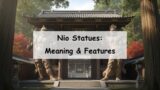
The Todaimon (East Great Gate), the main gate that visitors first pass through, is an Important Cultural Property built in the Kamakura period. It is known for having undergone major repairs funded by Yodo-dono, a concubine of Toyotomi Hideyoshi. On either side of the gate stand Nio (guardian) statues created by sculptors following the style of the famous Unkei and Kaikei, protecting the temple grounds with their powerful presence.
8 Hidden Buddhas and Statues by Unkei and Kaikei
The principal image of Ishiyamadera, the Nyoirin Kannon Bodhisattva, is a “hidden Buddha” (hibutsu) that is only unveiled to the public once every 33 years. In addition to the principal image, many precious Buddhist statues are enshrined here, including some related to the master sculptors of the Kamakura period, Unkei and Kaikei. While many statues are not usually visible, they are sometimes displayed during special events or limited periods, so it is recommended to check exhibition information in advance.


The Charm of Murasaki Shikibu and The Tale of Genji
The Legend of Murasaki Shikibu Beginning The Tale of Genji
Ishiyamadera is widely known as the birthplace of The Tale of Genji. According to legend, when Murasaki Shikibu stayed at Ishiyamadera for seven days to create a new story, she was inspired by the beautiful sight of the harvest moon reflecting on Lake Biwa. This inspiration led her to conceive the plot (specifically the “Suma” and “Akashi” chapters), marking the beginning of what is often called the world’s oldest novel.
Murasaki Shikibu Statue and Hojoden Exhibition
A bronze statue of Murasaki Shikibu stands in the precincts, serving as a popular photo spot for many tourists. Additionally, in spring and autumn, the “Ishiyamadera and Murasaki Shikibu Exhibition” is held at the Hojoden hall. This exhibition displays valuable picture scrolls and treasures related to The Tale of Genji and Murasaki Shikibu, allowing visitors to deeply engage with the culture and literature of the Heian period.
Ishiyamadera Goshuin, Amulets, and Souvenirs
Regular Goshuin and Limited Paper Cutout Goshuin
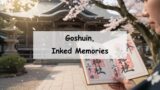
At Ishiyamadera, you can receive several types of Goshuin (temple stamps), including those for the Saigoku Kannon Pilgrimage. Recently, limited-time paper cutout Goshuin have become particularly popular. These beautiful stamps, featuring delicate paper cutouts of seasonal flowers, Murasaki Shikibu, or the Tahoto Pagoda, are highly sought after as mementos of the visit.
Popular Amulets and Benefits (Safe Childbirth, Matchmaking)
Due to its founding by the order of Emperor Shomu, Ishiyamadera is believed to offer benefits for national peace and protection against evil. Furthermore, the principal image, Nyoirin Kannon, is worshipped as a deity of “safe childbirth, fortune, and matchmaking.” Many people visit specifically to seek amulets for safe delivery and good relationships. Matchmaking charms associated with The Tale of Genji are particularly cherished by visitors praying for romantic success.

Visiting Hours, Fees, and Duration
Hours and Admission Fees
Ishiyamadera is generally open from 8:00 AM to 4:30 PM, with final entry at 4:00 PM. The admission fee is 600 yen for adults (junior high school students and older) and 250 yen for elementary school students. Please note that during special events such as autumn foliage illuminations, separate nighttime visiting hours may be established, so please check official information before visiting.
Estimated Time for Exploring (Model Course)
The temple grounds are extensive and include many stone steps and slopes. A quick course covering main highlights like the Main Hall and Tahoto Pagoda takes about one hour. On the other hand, if you wish to view exhibitions at the Hojoden, stroll to the deeper areas like Tsukimitei, and enjoy the seasonal flowers leisurely, you should plan for about 1.5 to 2 hours. Wearing comfortable walking shoes is recommended.
Access to Ishiyamadera and Parking
By Train and Bus (Keihan Ishiyamadera Station, etc.)
If using public transport, the nearest station is “Ishiyamadera Station” on the Keihan Ishiyama Sakamoto Line. It is about a 10-minute walk from the station to the temple’s main gate. Alternatively, from JR “Ishiyama Station” on the Biwako Line, you can transfer to a Keihan Bus and get off at the “Ishiyamadera Sanmon-mae” bus stop, arriving right in front of the temple. Access from Kyoto and Osaka is convenient, making it suitable for a day trip.
By Car and Parking Information
If accessing by car, it takes about 5 to 10 minutes from the “Seta Nishi IC” or “Seta Higashi IC” on the Meishin Expressway. A large parking lot called the Ishiyamadera Tourist Parking Lot is located in front of the gate. Standard cars can use it for 600 yen per visit. With a large capacity, you can visit by car relatively worry-free even during peak seasons.
Recommended Lunch and Gourmet Around Ishiyamadera
Local Specialties: “Seta Clams” and “Ishiyamadera Pudding”
The temple town in front of Ishiyamadera is lined with restaurants and souvenir shops welcoming worshippers. A famous local specialty is cuisine using “Seta Clams” (Seta Shijimi) caught in the Seta River. Clam rice (Shijimi-meshi), packed with savory flavor, is popular for its deep, nourishing taste. For a break during your walk, sweets using local ingredients, such as “Ishiyamadera Pudding,” are also recommended.
Dining with a View of the Seta River
The temple town has several restaurants where you can dine while looking out over the gentle flow of the Seta River. Enjoying dishes made with Omi beef or local cuisine at a riverside seat is an exceptional experience. Why not soothe your fatigue after worship and leisurely enjoy the gourmet food and scenery unique to Shiga?
A Message from the Guide

The contrast between the rocks and the building is amazing.

Comment