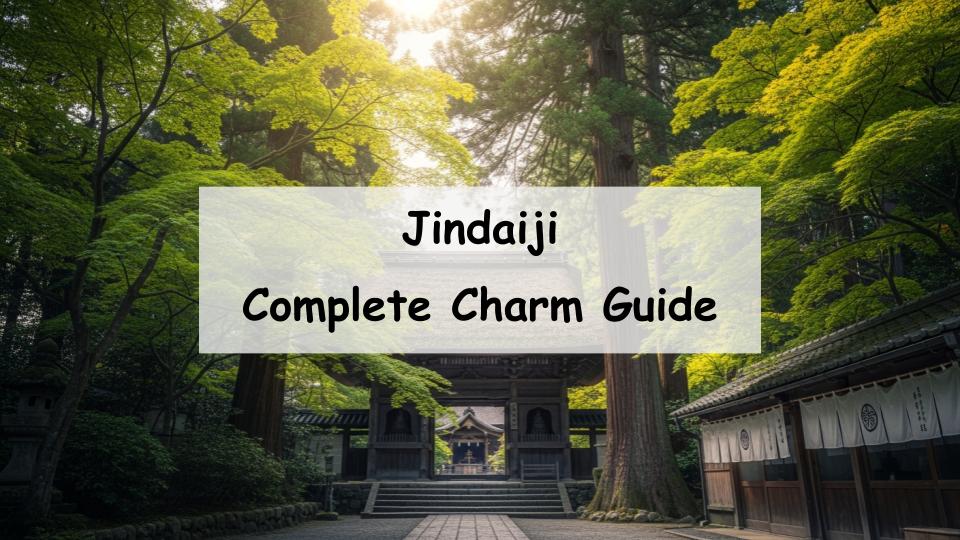
“Jindaiji” in Chofu City is a place where rich nature and history come alive, all while being easily accessible from central Tokyo.
Even if you have seen it on TV or in magazines and are curious about it, you might have some questions. Perhaps you are wondering what specific highlights there are, how to choose the best shop for the famous “Jindaiji Soba,” or how to get there without getting lost.
To give you the answer, Jindaiji is the perfect spot for a holiday outing where you can enjoy historic power spots, delicious gourmet food, and relaxing nature walks all at once.
This article explains the history and features you should know before visiting Jindaiji, including the must-see highlights, the charm of the famous “Jindaiji Soba,” and detailed access methods.
By the time you finish reading this article, you will have a clear plan to enjoy Jindaiji to 120%. Please read through to the end.
- What is Jindaiji? 1300 Years of History and Rich Nature
- Precinct Walk! Must-See Highlights and Power Spots
- Enjoy the Famous “Jindaiji Soba”! Lunch & Street Food
- Surrounding Spots to Enjoy with Jindaiji
- Recommended Seasons and Annual Events
- Access to Jindaiji, Parking, and Worship Hours
- A Message from the Guide
What is Jindaiji? 1300 Years of History and Rich Nature
Located in Chofu City, Tokyo, Jindaiji is a historic temple blessed with lush greenery and clear water. Although it is located near the city center, it is loved by many visitors as a place where you can feel a silence and natural beauty that seems like another world. First, let us touch upon its historical background and features.
One of Tokyo’s Leading Ancient Temples! Benefits of Warding Off Evil and Matchmaking
The history of Jindaiji is very old, dating back to the Tempyo era (733 AD) in the Nara period. It boasts the second oldest history in Tokyo after Sensoji Temple, spanning approximately 1300 years. While it has gathered faith as a temple for warding off evil (Yakuyoke) for a long time, it is also famous as a temple for matchmaking (Enmusubi) derived from a certain love story. It has become a special sacred place not only for those wishing for protection from evil but also for worshippers seeking good relationships.

The Charm of the “Village of Spring Water” and the Origin of the Name
The name Jindaiji comes from the water god “Jinja Daio” (Deep Sand King), who is said to have protected the Chinese monk Xuanzang Sanzo on his journey to seek Buddhism. As this name suggests, the area around Jindaiji is abundant with spring water from the Kokubunji cliff line. There are numerous water sources within the temple grounds and the surrounding area. This clear water is not only an object of worship but also became the foundation for cultivating the culture of the famous “Jindaiji Soba” mentioned later. The scenery woven by water and greenery gives deep healing to those who visit.
Eastern Japan’s Oldest National Treasure Buddha “Bronze Seated Shaka Nyorai”
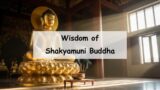
One of the symbols indicating the high historical value of this temple is the “Bronze Seated Shaka Nyorai Statue,” which is designated as a National Treasure. This Buddha statue is a Hakuho Buddha made from the late Asuka period to the early Nara period and is known as the oldest National Treasure Buddha existing in Eastern Japan. Its gentle expression that seems to be smiling and the beautiful flow of the folds of its robe fascinate viewers. It is currently housed in the Shaka Hall, and by viewing it, you can feel the weight of its history firsthand.
Precinct Walk! Must-See Highlights and Power Spots
Jindaiji, with its vast grounds, is dotted with historical buildings and spots rich in nature. Here, we introduce the major highlights you definitely want to stop by during your visit.
The Main Hall and the Sanmon Gate with a Beautiful Thatched Roof
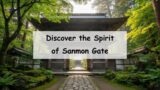
Passing through the approach, the first thing that welcomes worshippers is the Sanmon Gate, which serves as the main gate of Jindaiji. Built in 1695 (Genroku era), this Sanmon Gate is the oldest building in the precincts and still retains its original thatched roof. The Main Hall, located beyond the gate, is a majestic building rebuilt in the Taisho era, housing the principal image, the Crowned Amitabha Nyorai. First, let us join our hands here and quietly settle our minds.

The Great Master of Warding Off Evil “Ganzan Daishi Hall”
Located on the north side of the Main Hall is the “Ganzan Daishi Hall,” which enshrines Jie Daishi (Ganzan Daishi). Ganzan Daishi is a high-ranking monk known as the founder of the “Omikuji” (fortune slips) passed down to modern times, and is said to have possessed strong spiritual power. Therefore, many people visit seeking benefits for warding off evil and protection from demons. The Goma fire ritual is also performed inside the hall, allowing you to offer prayers in a solemn atmosphere.
“Jinja Daio Hall” Enshrining the God of Matchmaking
The Jinja Daio Hall enshrines “Jinja Daio,” who is involved in the founding of Jindaiji. Based on the legend that the parents of Mankyo Shonin, who opened Jindaiji, had their love fulfilled with the help of Jinja Daio, this place has become known as a powerful spot for matchmaking. It is a recommended place for people wishing for all kinds of good relationships, including not only romantic fulfillment but also work and personal relationships.
The Soul-Cleansing Scenery “Fudo Falls” and Spring Water Group
While walking around the precincts, you will notice the sound of flowing water everywhere. Among them, “Fudo Falls” is a famous spot selected as one of “Tokyo’s 57 Famous Springs.” The contrast between the clear water pouring from the dragon’s mouth and the surrounding greenery is beautiful, and even on hot summer days, it is wrapped in cool air. The scenery created by these groups of springs can be said to be a refreshing charm unique to Jindaiji.
Enjoy the Famous “Jindaiji Soba”! Lunch & Street Food
One of the biggest pleasures of visiting Jindaiji is the famous “Jindaiji Soba.” We will delve deeper into the soba culture that is indispensable for lunch after visiting or satisfying your hunger.
Why is it Famous? History and Characteristics of Jindaiji Soba
There is an environment unique to this land behind the fame of Jindaiji Soba. While the land was not suitable for rice cultivation, the soil was suitable for buckwheat cultivation, and there was abundant spring water indispensable for milling and rinsing work, so buckwheat noodle making has been actively practiced since ancient times. In the Edo period, its good taste became reputable, and it is said that it was presented to the Shogun family through the Imperial Prince of Ueno Kaneiji. The traditional characteristics are its white, transparent beauty and smooth throat feel.
About 20 Shops on the Approach! Points for Choosing a Shop and Popular Stores
Currently, there are about 20 soba shops lined up around Jindaiji. With so many shops, you might get lost on which one to enter, but each has its own particularities. There are various types, such as shops serving stone-milled handmade soba, shops with distinctive sweet and spicy dipping sauce, and shops with terrace seats where you can eat with your pets. There are many popular shops with lines, but it is also fun to look for a shop that suits your taste while comparing the atmosphere and menus.
Street Food Gourmet like Soba Bread and Soba Dumplings
Not only substantial meals but also street food that can be easily enjoyed is substantial. Unique products such as fragrant “Soba Dango” using buckwheat flour, “Soba Manju” that is steamed and warm, and “Soba Pan” (bread) or “Soba Crepes” sandwiching side dishes are available. It is the real thrill of Jindaiji sightseeing to walk around with gourmet food in one hand while feeling the lively atmosphere of the approach.
Surrounding Spots to Enjoy with Jindaiji
There are attractive spots around Jindaiji that you want to stop by together. Combining these will make for a fulfilling plan that you can enjoy all day long.
“Jindai Botanical Gardens” Where Seasonal Flowers are Beautiful
Adjacent to the north side of Jindaiji is the Tokyo Metropolitan Jindai Botanical Gardens. The vast grounds are planted with about 4,800 varieties and 100,000 plants, allowing you to enjoy flowers of the four seasons. The “Rose Festa” held in spring and autumn is particularly famous, and the scenery of roses gathered from all over the world in full bloom is a masterpiece. Tropical plants can also be appreciated in the large greenhouse, making it an irresistible spot for nature lovers.
[Caution] “Kitaro Chaya” Has Moved to In Front of Chofu Station
The “Kitaro Chaya,” which used to be at the entrance of the Jindaiji approach and was a popular tourist spot, moved in 2024 due to the aging of the building. Currently, it is operating inside a commercial facility in front of Chofu Station, not in the Jindaiji area. Please be careful if you plan to visit, as the location has changed if you visit Jindaiji based on memories from before.
Healed by Black Water at “Jindaiji Onsen Yumori no Sato”
If you want to heal your body tired from walking, “Jindaiji Onsen Yumori no Sato” is recommended. This is a day-trip hot spring facility where you can enjoy jet-black natural hot spring “Kuroyu.” The hot water containing salt has a high heat retention effect and is reputed to make the skin smooth. There are also atmospheric open-air baths and saunas, allowing you to spend a relaxing time in nature surrounded by trees.
Recommended Seasons and Annual Events
Jindaiji is a beautiful place no matter when you visit, but a special vibrancy is born at certain times. We introduce recommended seasons and events to refer to when planning your trip.
Lively “Jindaiji Daruma Fair,” One of Japan’s Three Great Daruma Fairs
The “Jindaiji Daruma Fair” held on March 3rd and 4th every year is a traditional event continuing since the Edo period and is counted as one of Japan’s Three Great Daruma Fairs. Shops selling Daruma dolls line the precincts closely, and spirited calls fly about. There is also a ritual where monks directly paint eyes on the purchased Daruma dolls, and it is crowded with many people wishing for good luck for the year. It is an event where you can feel the special enthusiasm only on these days.
Cherry Blossoms, Fresh Green, Autumn Leaves… Scenery of the Four Seasons
In spring, the cherry blossoms in the precincts and surrounding areas are in full bloom, and you can enjoy the beautiful collaboration of the ancient temple and cherry blossoms. In early summer, the vivid fresh greenery is dazzling, and the mossy precincts especially after the rain are full of atmosphere. And in autumn, the autumn leaves dye the precincts red and yellow, creating a calm adult atmosphere. No matter which season you visit, you will be able to feel the beauty of Japan unique to that time.
Access to Jindaiji, Parking, and Worship Hours
Finally, we summarize access information to head to Jindaiji smoothly and basic information you want to confirm before visiting.
Bus Access from Chofu, Tsutsujigaoka, Kichijoji, and Mitaka
It is common to use a bus from the nearest station to get to Jindaiji. Buses bound for Jindaiji are operated from “Chofu Station” and “Tsutsujigaoka Station” on the Keio Line, and “Kichijoji Station” and “Mitaka Station” on the JR Chuo Line. Especially from Chofu Station and Tsutsujigaoka Station, there are many buses, and the ride time is relatively smooth at about 15 to 20 minutes. Since the route changes depending on which station you start from, choose the best route according to your departure point.
Points to Note When Going by Car and Nearby Parking List
If you visit by car, use Jindaiji Street or Musashisakai Street. There is no free parking dedicated to worshippers at Jindaiji, but private coin parking lots are scattered around. Also, some soba shops and souvenir shops along the approach may offer services where parking fees become free or discounted by eating or shopping. However, since congestion is expected on holidays and during events, it is good to consider using public transportation.
Worship Hours and Goshuin Reception Hours
The precincts of Jindaiji are basically open 24 hours a day, but the worship hours for the Main Hall and each hall are fixed. Usually, it is generally from around 9:00 am to around 5:00 pm. The granting of Goshuin (red seals) and amulets is also done within this time. However, since the time may change depending on the season and events, those planning to visit at a late hour should check the latest information on the official website in advance. We recommend visiting with plenty of time to spare and leisurely touring the precincts.
A Message from the Guide
I hear it gets very crowded during the New Year’s holidays, so if you want to visit at a leisurely pace and enjoy a relaxing soba meal, weekdays are better.

Comment