Thoroughly dissecting the charm of Hokokuji, the “Bamboo Temple” you cannot miss when sightseeing in Kamakura!
When planning a trip to the ancient capital of Kamakura, many people wonder, “I want to visit a temple with a beautiful bamboo grove,” or “I heard I can drink matcha at Hokokuji, but what is the experience actually like?”
For first-time visitors, there are also practical concerns: “Is it difficult to get there from Kamakura Station?” or “Can I avoid the crowds and spend time relaxing?”
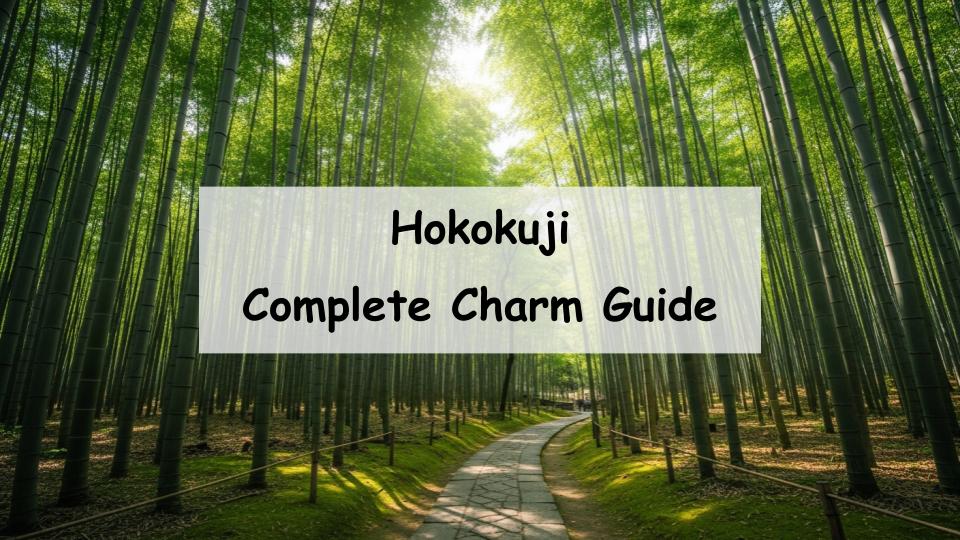
To give you the conclusion first: Hokokuji is a spectacular spot that I confidently recommend to anyone who wants to forget the hustle and bustle of daily life and heal their mind. The space woven by approximately 2,000 stalks of Moso bamboo stretching towards the sky is truly extraordinary. The matcha tasted within that setting offers a special moment of bliss.
In this article, we will explain in detail the information you need to know before visiting Hokokuji:
- The unique history and characteristics of Hokokuji.
- Must-see highlights, including the matcha experience at “Kyukoan” and the dry landscape garden.
- Access methods to get there without getting lost and admission information.
By the time you finish reading, you will be ready to fully enjoy the charm of Hokokuji. Please read to the end and use this as a reference for your wonderful walk through Kamakura.
- What is Kamakura’s Hokokuji? History and Features of the Beloved “Bamboo Temple”
- Don’t Miss This! Main Highlights of Hokokuji
- Time Required for Visiting Hokokuji and Crowd Conditions
- Access Methods and How to Get to Hokokuji
- Summary of Basic Information such as Admission Fees and Hours
- Recommended Tourist Spots Around Hokokuji
- Summary: Spend Time in Silence and Healing at Hokokuji
- A Message from the Guide
What is Kamakura’s Hokokuji? History and Features of the Beloved “Bamboo Temple”
Hokokuji is a Zen temple of the Kenchoji school of the Rinzai sect, located in the Jomyoji district of Kamakura City. Its mountain name is “Koshinzan,” but it is widely known by the affectionate nickname “The Bamboo Temple” (Take-no-tera). Here, we will touch upon the history behind the beautiful scenery and its global reputation.
Origin and Historical Background of Hokokuji
The history of Hokokuji is ancient, founded in the first year of the Kenmu era (1334) by the priest Tengan Eko at the beginning of the Muromachi period. The founding patron was Ashikaga Ietoki, and the temple flourished as the family temple of the Ashikaga clan, including Ashikaga Yoshihisa. Historical remains are preserved within the grounds, characterized by a solemn atmosphere typical of Kamakura, the ancient capital of the samurai, amidst the silence. In the past, many Zen monks practiced here, and it was known as a center for “Gozan Bungaku” (Literature of the Five Mountains), such as Chinese poetry.
Charm Listed in the Michelin Green Guide
One reason Hokokuji has attracted particular attention in recent years is its high international reputation. In the “Michelin Green Guide Japan,” a travel guide published by the French tire manufacturer, Hokokuji was awarded three stars. This rating means it is a place “worth a special journey.” The beauty of the meticulously maintained bamboo grove fascinates travelers from all over the world. It has become a famous spot visited by many people, both domestic and international, as a location symbolizing the Japanese spirit of “Wa” (harmony).
Don’t Miss This! Main Highlights of Hokokuji
There are several points you must see and experience if you visit Hokokuji. Here are the extraordinary spaces that expand from the moment you pass through the gate.
The “Bamboo Garden” Where a Fantastical World Expands
The greatest highlight of Hokokuji is undoubtedly the “Bamboo Garden” that spreads behind the main hall. Approximately 2,000 stalks of Moso bamboo grow high enough to cover the sky, and once you step inside, you feel as if you have entered another world. On sunny days, sunlight filters through the bamboo leaves, creating beautiful patterns of light on the ground. When the wind blows, the sound of rustling leaves echoes, allowing you to feel deep healing not only visually but also through sound.
A Moment of Bliss with Matcha at “Kyukoan” Facing the Bamboo Grove
Deep within the Bamboo Garden lies the tea house “Kyukoan.” Here, you can enjoy freshly whisked matcha tea and dry confectioneries while gazing at the bamboo grove spreading before your eyes. Placing yourself inside the bamboo forest and tasting matcha in the silence is exceptionally delicious. This experience of forgetting the busyness of daily life and enjoying the slow flow of time is a highlight of the trip for many visitors to Hokokuji.
“Dry Landscape Garden” Where Moss and Rock Weave Silence
Before heading to the bamboo grove, do not miss the dry landscape garden (Karesansui) located in front of the main hall. The vivid green moss, which is well-tended, and the arranged rocks show an exquisite harmony. While not flashy, it is a space that allows you to feel the “wabi-sabi” typical of a Zen temple, offering a static beauty that contrasts with the dynamic beauty of the bamboo grove.
“Yagura Connected to the Ashikaga Family” Feeling History
If you proceed further into the Bamboo Garden, you will see medieval tunnel tombs carved into the rock face called “yagura.” Here, “Gorinto” (five-ringed towers) are enshrined, said to be the graves of Ashikaga Ietoki, the founder of Hokokuji, and Ashikaga Yoshihisa. The yagura, standing quietly within the beautiful natural scenery, convey the history of the end of the Kamakura Kubō to the present day, creating a solemn atmosphere different from the splendid bamboo grove.
The Appearance of the Main Hall and Bell Tower
Upon entering the grounds, the first things that catch your eye are the bell tower with its impressive thatched roof and the main hall behind it. The main hall enshrines the principal image, a seated statue of Shakyamuni Nyorai. It is also known as the place where Nobel laureate Kawabata Yasunari wrote “The Sound of the Mountain,” giving it a literary history as well. The thatched bell tower harmonizes perfectly with the surrounding nature and warmly welcomes worshipers as a symbol of Hokokuji.
Time Required for Visiting Hokokuji and Crowd Conditions
When planning your travel schedule, the duration of stay and crowd levels are concerns. Here are some guidelines for enjoying Hokokuji efficiently and comfortably.
Average Time Required for Sightseeing
Since the grounds of Hokokuji are not vastly extensive, you can see the Bamboo Garden and pray at the main hall in about 30 minutes. However, if you plan to have matcha at Kyukoan or take your time admiring the garden while taking photos, it is safe to budget about 1 hour. We recommend scheduling with some leeway to enjoy the quiet time.
Recommended Times and Seasons to Avoid Crowds
As it is a popular tourist spot, it gets very crowded on weekends, holidays, and during the autumn foliage season. In particular, the silence of the Bamboo Garden and tea house can fade when there are many people. If you want to avoid crowds and enjoy the quiet bamboo grove, visiting right after the gates open at 9:00 AM is most recommended. Also, on rainy days, the green of the bamboo looks even deeper, creating an emotional atmosphere, so aiming for a rainy day is a way for connoisseurs to enjoy the temple.
Access Methods and How to Get to Hokokuji
Hokokuji is located a little distance from Kamakura Station. While using a bus or taxi is common, it is also possible to walk there as part of a stroll.
Using the Bus from Kamakura Station
The most common method of access is the local bus. From the East Exit Bus Terminal of JR Kamakura Station, board the Keikyu Bus bound for “Kamakura Reien Seimon-mae Tachiarai” or “Kanazawa Hakkei.” The ride takes about 10 to 15 minutes; please get off at the “Jomyoji” bus stop. From there, it is a few minutes’ walk to the gate of Hokokuji following the signs.
Walking from Kamakura Station
For those who want to enjoy the streets of Kamakura, you can walk from Kamakura Station. The time required is about 25 to 30 minutes for an adult. There are sightseeing spots like Tsurugaoka Hachimangu Shrine on the way, so if you are confident in your stamina or on a day with good weather, walking is a good option.
Access by Car and Parking
Hokokuji has a parking lot for worshipers with space for a few cars, but the number of spots is very limited, and it fills up immediately on weekends and holidays. Additionally, the roads around Hokokuji are narrow and prone to congestion. Unless there are special circumstances, we recommend using public transportation or parking at a coin parking lot around Kamakura Station and moving by bus.
Summary of Basic Information such as Admission Fees and Hours
Here is a summary of basic information such as business hours and fees to check before your visit.
Visiting Hours and Regular Holidays
Visiting hours are from 9:00 AM to 4:00 PM. The reception for matcha closes at 3:30 PM, so if you wish to enjoy matcha, please arrive with plenty of time. Also, please note that the temple is closed for viewing during the New Year period from December 29th to January 3rd when planning a winter vacation trip.
Admission Fees and Matcha Price
The admission fee for Hokokuji is 400 yen for high school students and above, and 200 yen for elementary and junior high school students. If you wish to have matcha in the Bamboo Garden, you need to purchase a matcha ticket for 600 yen in addition to the admission fee. Matcha tickets can be purchased at the reception right after entering the mountain gate, so please do not forget to ask for one upon entry if you are interested.
Recommended Tourist Spots Around Hokokuji
In the Jomyoji area where Hokokuji is located, other attractive temples and historical buildings are dotted around. Visiting them together with Hokokuji makes for a more fulfilling Kamakura sightseeing experience.
Jomyoji Temple
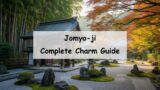
Located just a short walk from Hokokuji, Jomyoji is a prestigious temple ranked fifth among the Kamakura Gozan (Five Great Zen Temples). Within the grounds, there is the tea room “Kisen-an” where you can have matcha while viewing a dry landscape garden, and the restaurant “Ishigama Garden Terrace” located on high ground where you can enjoy an English garden, allowing you to enjoy both Japanese and Western styles.
Sugimoto-dera Temple
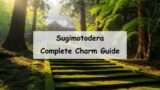
Located along the bus route on the way back from Hokokuji, Sugimoto-dera is known as the oldest temple in Kamakura. The moss-covered stone steps are breathtakingly beautiful, a spot where you can feel the weight of history. It enshrines the Eleven-faced Kannon and is the first temple of the Bando 33 Kannon Pilgrimage, attracting many pilgrims.
Old Kyu-Kacho-no-Miya Residence
Deep in the valley very close to Hokokuji stands the Old Kyu-Kacho-no-Miya Residence, built in the early Showa period. The highlights are the classic half-timbered Western-style building and the manicured French-style garden. While the interior of the building is open only on specific days in spring and autumn, the gardens are regularly open to the public, allowing you to experience an elegant atmosphere.
Summary: Spend Time in Silence and Healing at Hokokuji
Hokokuji is a spot that combines refined beauty and silence, even among the many sites in Kamakura. Placing yourself within the bamboo grove stretching high into the sky and enjoying matcha while feeling the sound of the wind and the shifting light will be the ultimate luxury to heal the fatigue of daily life. Access from Kamakura Station is smooth if you use the bus, so please visit Hokokuji on your next trip to Kamakura and spend a soul-cleansing moment.
A Message from the Guide
Although it is a bit far from Kamakura Station, it is worth the visit as there are many famous temples nearby.

Comment