Have you come across the name “Enjo-ji Temple” while researching tourist spots in Nara?
“I heard there are Buddhist statues by Unkei, but what kind of temple is it?”
“It seems to be on the Yagyu Kaido road, but is it difficult to access?”
“Are there enough sights to make the trip worthwhile?”
Many people might be feeling uncertain about the specific attractions and access methods because Enjo-ji is located a bit away from the main tourist areas of Nara city.
To put it simply, Enjo-ji is a hidden gem, renowned for the beauty of its “Pure Land-style garden,” which retains the ambiance of the Heian period, and its national treasure, the “Seated Dainichi Nyorai Buddha,” believed to be the debut work of the master sculptor Unkei. For those seeking a serene and refreshing experience away from the crowds, this is an unmissable destination.
This article will provide detailed information for those considering a visit to Enjo-ji, covering the following points:
- The unique history and characteristics of Enjo-ji
- Must-see attractions, including gardens and Buddhist statues
- Easy access methods (bus and car)
By reading this article, you will gain a comprehensive understanding of Enjo-ji’s appeal and be able to plan a smooth and fulfilling sightseeing trip in Nara. Please read on.
- What is Enjo-ji Temple? Exploring Its History and Characteristics
- Must-See Attractions at Enjo-ji Temple
- [National Treasure] A Masterpiece from Unkei’s 20s! The Vibrant “Seated Dainichi Nyorai Buddha”
- [National Treasure] Japan’s Oldest Kasuga-Zukuri Shrine Buildings: “Kasuga-dō and Hakusan-dō”
- Main Hall (Amida-dō) and Buddha Statues: A Collection of Important Cultural Properties
- The Beautiful Scenery of the Rōmon Gate and Garden
- The Allure of Enjo-ji Through the Seasons
- Access and How to Get to Enjo-ji Temple
- Basic Information: Visiting Hours, Fees, and Goshuin
- Nearby Spots and Lunch Options to Combine with Enjo-ji Temple Visit
- A Message from the Guide
What is Enjo-ji Temple? Exploring Its History and Characteristics
Enjo-ji is an ancient temple located along the Yagyu Kaido road, to the east of Nara city. Nestled in the quiet mountains, this temple is cherished not only by history enthusiasts and Buddhist art lovers but also by those seeking beautiful gardens. Let’s first explore its historical background and overall characteristics.
A Mountain Temple at the Entrance of Yagyu Kaido
Enjo-ji is situated in an area called Ninjokusen (忍辱山), near the entrance of the “Yagyu Kaido,” a road once traversed by swordsmen. Legend has it that the temple was founded by imperial decree during the Nara period, making it a historically significant site. It flourished as a place of spiritual training for monks in the mid-Heian period. Unlike the bustling tourist areas around Nara Park, the temple’s secluded mountain location exudes a solemn atmosphere preserved over many centuries. For travelers seeking quiet introspection, it is an ideal destination.
A “Pure Land-Style Garden” Retaining the Ambiance of the Heian Period
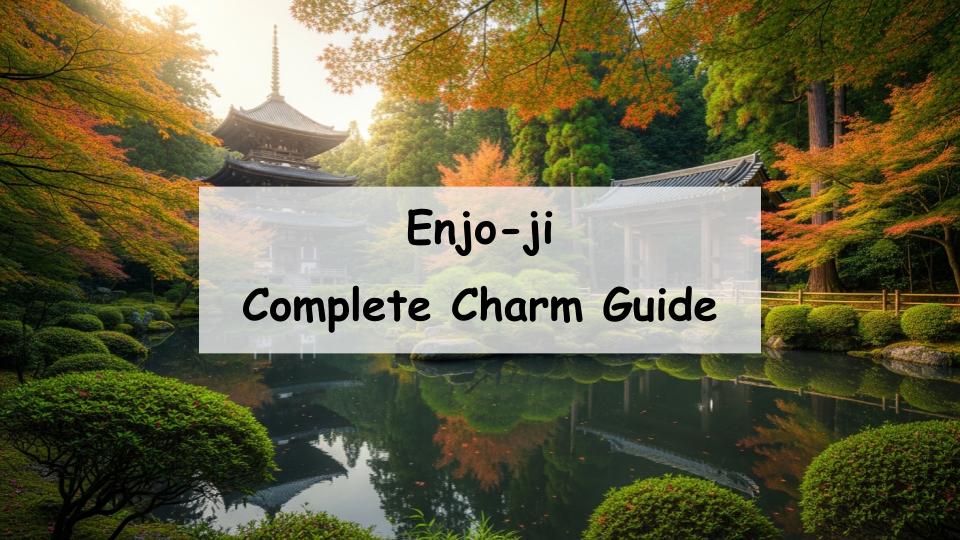
Upon entering the temple grounds, your attention will immediately be drawn to the exquisite “Pure Land-style garden.” This garden, created in the late Heian period, is a precious cultural heritage site and has been designated as a national Place of Scenic Beauty. The central pond is designed to represent the Pure Land of paradise, harmonizing beautifully with the surrounding nature. While many temple gardens have undergone renovations in later eras, Enjo-ji’s garden has preserved its graceful Heian period appearance to this day. A leisurely stroll around the pond allows visitors to experience firsthand the worldview of paradise that nobles of that era aspired to.
Must-See Attractions at Enjo-ji Temple
Enjo-ji is home to numerous valuable cultural assets, including national treasures. Although the temple grounds are compactly laid out, each sight is exceptionally rewarding. Here are the points you should definitely check out during your visit.
[National Treasure] A Masterpiece from Unkei’s 20s! The Vibrant “Seated Dainichi Nyorai Buddha”
The foremost attraction at Enjo-ji is undoubtedly the National Treasure, the “Seated Dainichi Nyorai Buddha.” This is known to be one of the earliest existing works by Unkei, a leading sculptor of the Kamakura period, created when he was in his early twenties. Housed within the Tahōtō (multi-storied pagoda), this Buddha statue is characterized by a vibrant quality that conveys the passion and extraordinary talent of the young Unkei. Its balanced proportions and intelligent, dignified expression reveal the nascent potential that would lead to his later powerful style. As you can often view it up close, not just through glass, be sure to fully absorb its presence.

[National Treasure] Japan’s Oldest Kasuga-Zukuri Shrine Buildings: “Kasuga-dō and Hakusan-dō”
Located behind the main hall, on slightly elevated ground, are the National Treasures “Kasuga-dō” and “Hakusan-dō.” These are enshrined deities that symbolize the history of syncretism between Buddhism and Shinto, and they are considered the oldest existing examples of “Kasuga-zukuri” shrine architecture in Japan. These two shrine buildings, with records indicating renovations in 1228 during the Kamakura period, are architecturally significant despite their small scale, featuring cypress bark roofs and beautifully curved eaves. The presence of ancient shrine architecture within a Buddhist temple is a particularly fascinating aspect unique to Nara.

Main Hall (Amida-dō) and Buddha Statues: A Collection of Important Cultural Properties
The main hall, standing across the pond, was rebuilt in the Muromachi period and is designated as an Important Cultural Property. This hall, also known as the “Amida-dō,” showcases an elegant architectural style influenced by the senden-zukuri (palace style) of the Heian period. Inside the hall are enshrined the principal image, the Seated Amida Nyorai Buddha, along with standing statues of the Four Heavenly Kings and a statue of Prince Shōtoku from the Kamakura period. Faint traces of Buddhist paintings on the hall’s pillars hint at its former splendor, allowing visitors to imagine its past vibrancy. Silently offering a prayer within the hall, you may feel as if you can hear the prayers of ancient people.

The Beautiful Scenery of the Rōmon Gate and Garden
The Rōmon gate (Important Cultural Property), which serves as the temple’s entrance, is another architectural highlight not to be missed. The view of the garden framed by this Muromachi-period gate is exquisitely picturesque. Passing through the Rōmon gate, the arrangement of the pond before you, and the main hall and pagoda beyond, are masterfully planned, making it a perfect photo opportunity from any angle. It is recommended to pause at the Rōmon gate first, build anticipation for the world that unfolds beyond, and then proceed into the temple grounds.
The Allure of Enjo-ji Through the Seasons
Enjo-ji’s charm extends beyond its structures and Buddhist statues to encompass the beauty of its natural surroundings throughout the seasons. Here’s a glimpse of how the temple grounds transform with the changing seasons.
Vibrant “Autumn Foliage” Reflected on the Pond’s Surface
The autumn foliage season is particularly popular. Located at a higher elevation than Nara city, the leaves change color earlier, adorning the temple grounds with vibrant reds and yellows. The reflections of the surrounding trees and structures on the surface of the Pure Land garden’s pond create a breathtakingly surreal beauty. On calm, windless days, the real images and their mirror images merge, creating a scene that seems otherworldly. It is also an excellent spot for photography enthusiasts.
Seasonal Charms of Fresh Greens and Snowscapes
Each season offers its own distinct atmosphere. From spring to early summer, lush fresh greenery envelops the temple grounds, filling the air with invigorating vitality. In winter, snow sometimes blankets the area, creating a serene, ink-wash painting-like beauty where the vermilion pagoda and old wooden structures stand out against the white landscape. Visiting during the less crowded seasons might allow you to enjoy a luxurious solitude, with only the songs of birds and the sound of the wind breaking the silence.
Access and How to Get to Enjo-ji Temple
As Enjo-ji is situated in a mountainous area, it is important to check access information in advance. Here are the key points for visiting by public transportation and by car.
Bus Routes from JR/Kintetsu Nara Station and Timetable Considerations
If using public transportation, take a Nara Kotsu bus from JR Nara Station or Kintetsu Nara Station. Board a bus bound for “Yagyu,” “Muraji Nakamura,” or “Ichiuchi” and alight at the “Ninjokusen” bus stop. The temple is just a short walk from the bus stop. The journey takes approximately 30 to 40 minutes. However, the bus service on this route is very infrequent, with some time slots having only one bus per hour or even less. It is crucial to check the timetable thoroughly in advance, including the return times, and plan your schedule with ample buffer time.
Car Access and Parking Information
If accessing by car, head east from Nara city on Route 369 towards Yagyu. The road becomes mountainous, but it is generally well-maintained and relatively easy to drive. Enjo-ji offers a free parking lot for visitors, with a capacity of about 20 cars. During peak seasons like autumn foliage, arriving early is advisable. The parking lot is conveniently located along the main road, making it easy to find and a comfortable stop for a scenic drive.
Enjoying the Yagyu Kaido Hiking Course
Enjo-ji is also a popular stop along the “Yagyu Kaido” hiking course. For the energetic, starting or ending your hike at Enjo-ji and exploring areas like the Kasugayama Primeval Forest, Jigokudani (Hell Valley), and roadside tea houses offers a unique experience. Walking the same paths once trodden by legendary swordsmen, immersing yourself in history and nature, provides a different kind of profound impression compared to traveling by bus or car.
Basic Information: Visiting Hours, Fees, and Goshuin
Here is essential information to know before your visit.
Visiting Hours and Regular Closures
Visiting hours are from 9:00 AM to 5:00 PM, with the last entry at 5:00 PM. The temple is generally open year-round, but it’s advisable to confirm in advance if there are any changes due to weather or temple events, especially when traveling from afar.
Admission Fees
The admission fee is 500 yen for adults, 400 yen for junior high and high school students, and 100 yen for elementary school students. This fee grants access to the garden, the Seated Dainichi Nyorai Buddha (National Treasure), and the main hall, offering excellent value for experiencing numerous cultural properties.
Goshuin Available at Enjo-ji Temple
For those who collect goshuin (temple seals), Enjo-ji offers seals related to its principal image, the “Amida Nyorai,” and the National Treasure “Dainichi Nyorai.” You can request these at the reception desk. The boldly written goshuin make for a wonderful memento of your visit.
Nearby Spots and Lunch Options to Combine with Enjo-ji Temple Visit
In the vicinity of Enjo-ji, you’ll find dining options and historical attractions perfect for complementing your visit.
Savor Local Specialties at “Sato,” the Eatery by the Gate
Located right by the temple gate, overlooking the garden pond, is the restaurant “Sato” (里). Here, you can enjoy set meals made with local ingredients, mountain vegetable soba, and rice bowls. Dining at a table by the window, with a view of Enjo-ji’s garden, is a particularly delightful experience. During autumn, seasonal specials like Matsutake mushroom dishes are available, adding to the visitors’ enjoyment. However, please be mindful of their closing days (often Wednesdays) and operating hours.
Recommended Tourist Spots in the Ninja Village of Yagyu
Further east from Enjo-ji lies the “Village of Yagyu.” This area is known as the stronghold of the Yagyu Shinkage-ryū school of swordsmanship and boasts numerous spots related to swordsmen legends, such as the “Former Residence of the Chief Retainer” (Karo Yashiki) and “Ittōseki” (a rock split perfectly in two). Visiting Enjo-ji and the Yagyu area together will provide a fulfilling day, allowing you to experience the profound depth of Nara’s history even further.
A Message from the Guide

You can admire National Treasure Buddha statues and enjoy lunch while overlooking the garden. Immerse yourself fully in the essence of Japan.



Comment