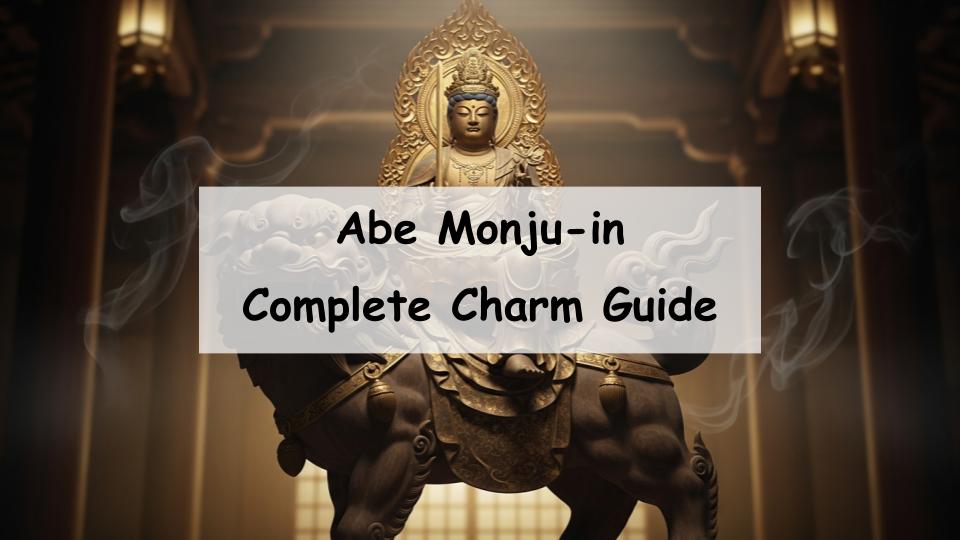
Abe Monju-in Temple (Abe Monju-in) is a historic temple located in Sakurai City, Nara Prefecture. It is deeply associated with the famous Japanese proverb, “Three people together have the wisdom of Monju” (Two heads are better than one).
You might be wondering:
“What kind of blessings can I receive at Abe Monju-in?”
“How can I efficiently see the National Treasures and highlights?”
“I want to check how to get there by train or car in advance.”
Whether you are a student preparing for exams, a parent supporting them, or a traveler planning to visit historical temples in Nara, detailed local information is essential.
In conclusion, Abe Monju-in is famous as the premier spiritual ground for “Passing Exams and Academic Achievement” in Japan. However, it is also a spectacular sightseeing spot featuring the National Treasure “Tokai Monju” statues, the Golden Floating Pavilion, and beautiful seasonal flowers.
In this article, we will thoroughly explain the history, characteristics, must-see highlights, and access methods you should know before visiting Abe Monju-in.
Read this article to fully understand the charm of Abe Monju-in and make your visit a fulfilling experience.
What is Abe Monju-in? History and Distinguished Features
Abe Monju-in Temple in Sakurai City, Nara, boasts a history that dates back to the Asuka period. It is said to have been founded in 645 AD by Abe no Kurahashimaro, the Minister of the Left at the time, as the clan temple of the Abe family.
Throughout its long history, despite hardships such as fire damage from wars, it has continued to gather the faith of many people. Today, it stands majestically as a temple of the Kegon sect of Buddhism.
The Premier Spiritual Ground of the “Three Monju Temples of Japan”
Abe Monju-in is counted as one of the “Three Monju Temples of Japan,” alongside “Kiredo no Monju” in Amanohashidate (Kyoto) and “Kameoka Monju” in Yamagata. Among them, Abe Monju-in is especially revered as the Number One Spiritual Ground due to its ancient history and the magnificent image of Monju Bosatsu riding a lion.

As the proverb “Three people together have the wisdom of Monju” suggests, Monju Bosatsu is the Buddha of Wisdom. Since ancient times, people have visited this holy ground to pray for wisdom and guidance.
Legend as the Land Connected to Onmyoji Abe no Seimei
Abe Monju-in is also known as a place where Abe no Seimei, the famous Heian period Onmyoji (Yin-Yang Master), underwent training. This location is the birthplace of the Abe clan, and it is said that Seimei was born here and performed astronomical observations.
There are spots related to Seimei scattered throughout the temple grounds, making it a holy place for those interested in Onmyodo (The Way of Yin and Yang). You can feel the mystical world of the Onmyoji, often depicted in history books and movies.
Blessings of Abe Monju-in
Many worshipers visit Abe Monju-in seeking its powerful blessings. While it is famous for academic success, it is also deeply trusted for warding off evil.
Academic Achievement and Passing Exams (A Sanctuary for Students)
Enshrining Monju Bosatsu, the Buddha of Wisdom, Abe Monju-in is immensely popular for Academic Achievement and Success in Exams. During the exam season, the grounds are bustling with students and families praying for admission to their desired schools.
Visitors come not only for exams but also to pray for improvement in daily studies, passing certification exams, and gaining the wisdom to make wise decisions in life. The “Ema” (wooden votive tablets) hanging area is filled with earnest wishes, telling the story of deep faith.

Warding off Evil and Directional Protection (Houiyoke)
Due to its connection with the Onmyoji Abe no Seimei, the temple is also famous for warding off evil spirits. In particular, regarding “Houiyoke” (Directional Protection)—which wards off all kinds of disasters coming from bad directions—people from all over Japan come for consultations and prayers.
For those anxious about directions regarding moving, traveling, or building a house, or those in their “Yakudoshi” (unlucky years), Abe Monju-in serves as a reassuring guardian.
Must-See Highlights of Abe Monju-in
The vast grounds are home to valuable cultural properties, including National Treasures, and unique experience spots. Here are the points you must see.
[National Treasure] The Overwhelming Presence of the Tokai Monju Statues (by Kaikei)
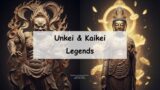
The main image enshrined in the main hall, the “Riding Lion Monju Bosatsu Statue,” is a must-see. Created by the master sculptor Kaikei in the Kamakura period, this statue boasts a height of about 7 meters (including the lion), making it one of the largest in Japan.
All five statues, including Monju Bosatsu and the four attendants surrounding him (Zenzai-doji, Uten-o, Buddhapali-sanzou, and Saisho-rojin), are designated as National Treasures. These are called the “Tokai Monju”, depicting the scene of crossing the sea of clouds to save people. Their power and beauty are overwhelming.
Kinkaku Ukimido (Nakamaro Hall) and the “Seven Shrine Pilgrimage”
Floating in the center of the Monju Pond is the golden hexagonal hall, “Kinkaku Ukimido.” Also known as “Nakamaro Hall,” it enshrines Abe no Nakamaro and Abe no Seimei.
Here, you can experience a unique worship method called “Nana-mairi” (Seven Shrine Pilgrimage). This involves walking around the hall seven times to pray for protection from evil and misfortune. By placing a dedicated slip in a box for each lap, it is said to remove seven types of misfortunes (“Seven Difficulties”).
Ancient Mysteries: “West Tumulus” and “East Tumulus”
There are two ancient burial mounds (kofun) on the grounds, built in the Asuka period. The “Monju-in West Tumulus” is designated as a Special National Historic Site, and you can actually enter the stone chamber. The chamber, built with precisely processed megaliths, demonstrates the high level of technology at the time.
This tomb is believed to be that of Abe no Kurahashimaro, the founder of the temple. Standing inside the cool stone chamber gives you a mysterious feeling of connecting with ancient times. The “East Tumulus” is also available for viewing.
“Hakusan-do”: Power Spot for Matchmaking
For those seeking good relationships, “Hakusan-do” is recommended. Here, Kukurihime-no-kami, known as the god of matchmaking, is enshrined.
It is said to bind various good relationships, not only between people but also with work and schools. Why not pray for a wonderful encounter at this quiet hall?
“Seimei-do” and “Observation Deck” with a Panoramic View
“Seimei-do,” dedicated to Abe no Seimei, is located on a hill overlooking the temple grounds. Here lies a stone monument in the shape of a “Nyoi-Hoju” (wish-fulfilling jewel), which Seimei is said to have used for astronomical observation.
From the observation deck further ahead, you can enjoy a magnificent view of the Yamato Three Mountains (Mt. Miminashi, Mt. Unebi, and Mt. Amanokagu). On a clear day, the peaceful scenery of the Nara Basin will soothe your heart.
Enjoy Seasonal Scenery! The Autumn “Cosmos Maze” is a Must
Abe Monju-in is also known as a “Temple of Flowers,” offering beautiful scenery in every season.
Seasonal Flowers like Cherry Blossoms and Azaleas
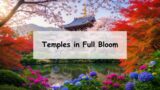
In spring, about 500 Somei-Yoshino cherry trees bloom, dyeing the grounds pink. The reflection of the cherry blossoms on the water of Monju Pond is exceptionally beautiful. In early summer, azaleas reach their peak, adding vivid colors.
Autumn Tradition: “Cosmos Maze” and Jumbo Zodiac Flower Art
The autumn specialty of Abe Monju-in is the “Cosmos Maze,” where about 30 varieties of cosmos flowers bloom in profusion. A maze is created inside the tall cosmos field, allowing both adults and children to enjoy exploring.
From winter to spring, the “Jumbo Zodiac Flower Art” appears, depicting the zodiac animal of the coming year using flowers like pansies. It measures 20 meters by 25 meters, and the full picture stands out clearly when viewed from the observation deck.
Souvenirs and Gourmet for Worshipers
Don’t forget to check out the “Goshuin” (stamps) and souvenirs as proof of your visit.
Abe Monju-in Goshuin and Original Stamp Books
At Abe Monju-in, you can receive several types of Goshuin. The most representative one features powerful calligraphy reading “Monju Daishi.” Stamps featuring the pentagram (Seimei Star) associated with Abe no Seimei and limited-time stamps are also popular.
Original Goshuin books are available, featuring beautiful designs such as Monju Bosatsu, cosmos flowers, or pentagrams.
Amulets and Pencils for Passing Exams
Popular souvenirs for students are the Passing Prayer Amulets. There is a wide range of goods to support examinees, such as pentagonal pencils (in Japanese, “Gokaku” sounds like “Pass”) and headband sets.
“Wisdom Bread” (Turtle Bread) and Matcha for a Break
When you want to take a break after worship, try the famous “Wisdom Bread.” This is a sweet bread shaped like a turtle (a symbol of longevity), not a lion. It is said that eating it grants wisdom and health.
Also, the admission fee for the main hall often includes Matcha green tea and Japanese sweets. Enjoying tea after viewing the beautiful garden and National Treasures will calm your mind.
Access to Abe Monju-in and Basic Information
Finally, let’s check the access methods and basic information.
Visiting Hours and Fees
- Hours: 9:00 – 17:00 (Reception closes around 16:30)
- Admission Fees:
- Main Hall (National Treasure Monju Bosatsu): Adults 700 yen, Elementary School Students 500 yen (Often includes Matcha and sweets).
- Kinkaku Ukimido (Includes Seven Shrine Pilgrimage, amulet, and slip): Adults 700 yen, Elementary School Students 500 yen.
- Common tickets for both the Main Hall and Ukimido are also available.
Note: Fees and times are subject to change, so please check the official website for the latest information before visiting.
Access by Train and Bus
If using public transport, the nearest station is Sakurai Station on the JR Manyo Mahoroba Line or the Kintetsu Osaka Line.
- By Bus: From the Sakurai Station South Exit, take the Nara Kotsu Bus bound for “Abe Monju-in” and get off at the last stop. It is right there.
- On Foot: It takes about 20 minutes to walk from the Sakurai Station South Exit. Walking while enjoying the scenery along the way is also recommended.
Access by Car and Parking
If visiting by car, it is convenient to access from “Tenri IC” or “Koriyama IC” on the Nishi-Meihan Expressway.
- Parking: There is a paid parking lot on the grounds (capacity of about 200 cars).
- Parking Fee: 500 yen for standard cars.
During the exam season or events (such as the Cosmos Maze season), surrounding roads and parking lots can get congested, so it is recommended to allow plenty of time.
A Message from the Guide
Pray to the powerful Monju Bosatsu, and passing your exam is guaranteed!

Comment