Kawasaki Daishi is famous for Hatsumode (the first temple visit of the New Year) and Yakuyoke (warding off evil). You may have heard the name, but perhaps you are wondering, “What specific benefits does it offer?” or “What are the highlights of the temple grounds?”
Others may have questions like, “How do I get there from the station?” or “What gourmet food and sightseeing spots are available nearby?”
In conclusion, Kawasaki Daishi is known as one of the Kanto region’s premier “Evil-Banishing Great Masters.” It is a destination full of charm where you can enjoy everything from powerful spiritual spots to strolling through a lively shopping street.
In this article, we will explain the following points you should know before visiting Kawasaki Daishi:
- The features and history of Kawasaki Daishi
- Must-see highlights within the temple grounds
- Nakamise gourmet treats like the famous “Tontoko Candy”
- Easy-to-understand access methods
Whether you are visiting for the first time or looking to rediscover its appeal, please read to the end and make use of this guide for your trip to Kawasaki Daishi.
- What is Kawasaki Daishi (Heiken-ji)? History and Benefits
- Check Before You Go! Highlights of the Kawasaki Daishi Grounds
- The Solemn Atmosphere of the “Daihondo” (Main Hall)
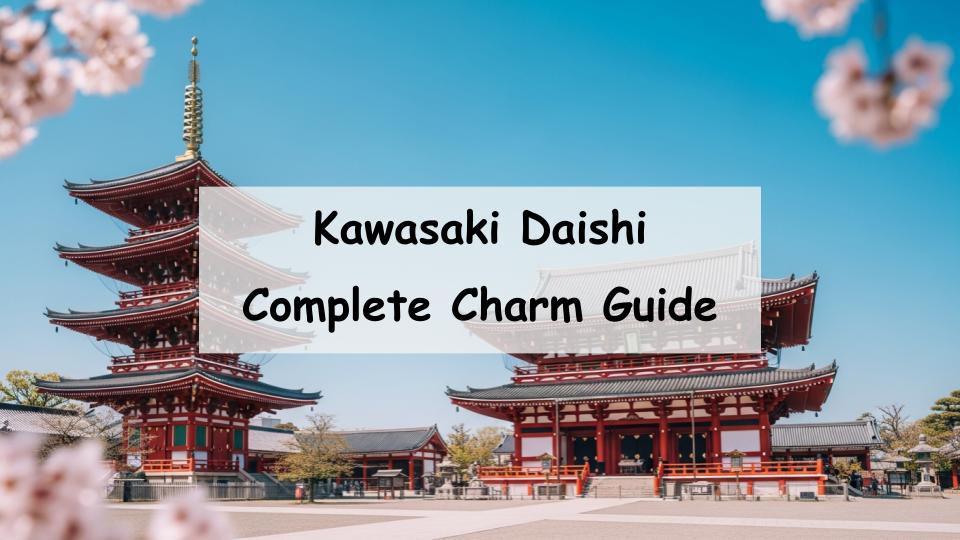
- The “Octagonal Five-Story Pagoda” Boasting Unique Architectural Beauty
- The “Kyozo” Housing China’s Last Woodblock Tripitaka
- Golden Shaka Nyorai Statue and Ceiling Painting
- “Yakushi-den” and “Nade Yakushi” for Healing Mind and Body
- Instagrammable Spots “Tsuru no Ike” and “Yasuragi Bridge”
- Impressive! How to Participate in the Famous “Goma Prayer”
- Fun Food Walk! Kawasaki Daishi Nakamise Street Gourmet & Souvenirs
- Feel the Seasons! Main Annual Events at Kawasaki Daishi
- Access & Parking Information for Kawasaki Daishi
- Summary
- A Message from the Guide
What is Kawasaki Daishi (Heiken-ji)? History and Benefits
Kawasaki Daishi is officially named “Kongozan Kinjoin Heiken-ji” and is the Grand Head Temple of the Chisan Sect of Shingon Buddhism. This temple has gathered the faith of many people for a long time. Let us first explain its history and benefits.
Famous as One of the Kanto Three Major Evil-Banishing Masters
Kawasaki Daishi is affectionately known as the “Yakuyoke no Odaishi-sama” (Great Master of Warding Off Evil). It is famously counted as one of the “Kanto Three Major Evil-Banishing Masters” alongside Nishi-Arai Daishi and Kanpuku-ji Daishi-do. Founded in the Heian period in the year 1128, it enshrines Kobo Daishi (Kukai) as the principal image. Throughout its long history, countless people have visited to pray for the removal of bad luck and protection from disasters.
Not Just for Warding Off Evil! Main Benefits (Family Safety, Business Prosperity, etc.)
While Kawasaki Daishi has a strong image of warding off evil, that is not its only benefit. It is believed to grant wishes for family safety, business prosperity, traffic safety, and health and longevity. It is a reliable “power spot” for various situations, such as turning points in life, starting new endeavors, or wishing for daily peace. Additionally, at the Automotive Traffic Safety Prayer Hall, drivers can receive purification for their cars, gathering deep faith from motorists.
Check Before You Go! Highlights of the Kawasaki Daishi Grounds
The vast grounds of Kawasaki Daishi are filled with historical buildings and beautiful scenery. By taking time to explore the precincts rather than just praying, you can feel the charm of the temple more deeply.
The Solemn Atmosphere of the “Daihondo” (Main Hall)
Upon entering the grounds, you will be overwhelmed by the Daihondo, which was reconstructed in 1958. Its majestic appearance is the symbol of Kawasaki Daishi, and the principal image, the Yakuyoke Kobo Daishi, is enshrined inside. Goma (fire rituals) are performed here every day, creating a solemn space filled with the sound of sutra chanting and drums. When visiting, please join your hands in prayer here first to calm your mind.
The “Octagonal Five-Story Pagoda” Boasting Unique Architectural Beauty
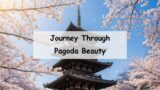
The Hakkaku Gojunoto (Octagonal Five-Story Pagoda), built in 1984, stands out conspicuously within the precincts. Unlike general square five-story pagodas, it features an octagonal shape. This octagon is close to a circle and is said to symbolize “tolerance” and “completeness.” The contrast of vermilion and white against the blue sky is beautiful, making it a popular spot for photography.
The “Kyozo” Housing China’s Last Woodblock Tripitaka
The Kyozo (Sutra Hall) is a building that stores scriptures containing Buddhist teachings. It houses 7,240 volumes of the “Qianlong Tripitaka,” said to be the last woodblock Tripitaka from China. Inside the building, which has a profound atmosphere, a statue of Shaka Nyorai is enshrined as the principal image, allowing visitors to feel the depth of Buddhist culture.

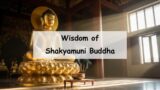
Golden Shaka Nyorai Statue and Ceiling Painting
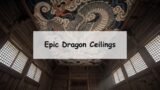
When you step into the Kyozo, a golden Shaka Nyorai statue welcomes visitors. You must also look up at the ceiling. The “Twin Dragons” ceiling painting, created by a Japanese painter, is full of impact, with dragons that look as if they are about to move. In the silent space, please enjoy the solemn worldview created by the golden statue and the ceiling painting.
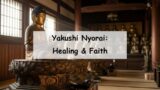
“Yakushi-den” and “Nade Yakushi” for Healing Mind and Body
For those wishing for health or recovery from illness, the Yakushi-den is recommended. Yakushi Nyorai is enshrined here, and outside the building stands a statue called “Nade Yakushi” (Rubbing Yakushi). It is believed that if you rub the part of the statue corresponding to the part of your body that is unwell, the illness will improve. You can see many worshipers visiting and rubbing the statue’s knees, waist, and head.
Instagrammable Spots “Tsuru no Ike” and “Yasuragi Bridge”
Near the Main Hall, there is a pond called “Tsuru no Ike” (Crane Pond), and the “Yasuragi Bridge” spanning it is a perfect photo spot. The vermilion arched bridge stands out against the lush green garden, creating beautiful scenery. The bridge also holds the meaning of crossing over to the world of enlightenment. Carp swim in the pond, and turtles can sometimes be seen sunbathing, making it a healing space where you can take a breather between prayers.
Impressive! How to Participate in the Famous “Goma Prayer”
One experience you should definitely try when visiting Kawasaki Daishi is the “Goma Prayer.” The prayer performed in front of a blazing fire is powerful and offers an experience that feels like washing the soul. Here, we explain how to receive the Goma prayer.
What is Goma (Fire Ritual)?
Goma is a secret Buddhist training method where wood called Gomagi is burned in front of a deity like Fudo Myoo to burn away worldly desires (worries and troubles) with the flames. It is said that wishes are delivered to the Buddha along with the smoke rising with the fire. At Kawasaki Daishi, visitors pray for the fulfillment of various wishes, such as warding off evil and family safety, through this Goma practice.

Prayer Times and Reception on the Day
Goma prayers are held several times every day at fixed times. Since the schedule may vary depending on the day, it is recommended to check the official website in advance. Reservations are generally not required; anyone can participate by filling out a request form with their wish and name and paying the prayer fee at the reception desk (Goma reception) on the day of the visit.
Collect Them! Kawasaki Daishi’s Goshuin and Omamori
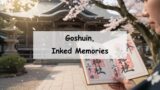
Goshuin (temple stamps), popular as proof of worship, can be obtained at the Goshuin office near the Main Hall. The Goshuin, written with powerful brushstrokes, serves as a memory of your visit. There is also a wide variety of Omamori (amulets). From “Yakuyoke Omamori” to traffic safety, academic success, and substitute charms, various items are available for yourself or as souvenirs.
Fun Food Walk! Kawasaki Daishi Nakamise Street Gourmet & Souvenirs
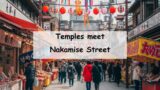
The approach of about 150 meters from Keikyu Kawasaki Daishi Station to the Daisanmon Gate is called “Nakamise Street,” and it is lined with many shops. We will introduce famous gourmet foods and souvenirs that are essential for enjoyment before and after worship.
Famous “Tontoko Candy” with Echoing Cutting Sounds
As you walk along Nakamise Street, you will hear a rhythmic “Tontoko, Tontoko” sound. This is the sound of cutting the famous “Tontoko Ame” (stretched candy). The live demonstration of craftsmen cutting candy with a knife is a scenery unique to Kawasaki Daishi. The soft, rustic sweetness of the candy makes it a standard souvenir that delights everyone from children to the elderly.
Kawasaki Daishi’s Classic Japanese Sweet “Kuzumochi”
When speaking of Kawasaki Daishi’s specialties, “Kuzumochi” cannot be missed. Unlike the kudzu starch cakes of the Kansai region, a characteristic of this Kuzumochi is that it is made by fermenting wheat starch. It has a unique elasticity and slight acidity, and is eaten with plenty of soybean flour (kinako) and black syrup (kuromitsu). The triangular cut shape is also distinctive, containing wishes for good health and longevity.
Perfect for Making Wishes! Colorful “Daruma”
There are also many shops specializing in Daruma dolls on Nakamise Street. “Kawasaki Daishi Daruma” are popular as lucky charms for warding off evil and business prosperity. In addition to red, various colors such as gold, white, and pink are available to match your wishes. Why not choose your own unique Daruma as a memento of your visit?
Established Shops for Manju and Senbei to Eat on the Go
In addition, there is a full range of gourmet foods perfect for eating while walking, such as freshly steamed Manju (buns) and Senbei (rice crackers) with the fragrant scent of soy sauce. It is also atmospheric to stroll the approach with amazake (sweet sake) in one hand. Please enjoy the lively atmosphere of the street while tasting the flavors of established shops.
Feel the Seasons! Main Annual Events at Kawasaki Daishi
Various events are held at Kawasaki Daishi throughout the year. We will introduce representative events that are particularly crowded with many people.
“Hatsumode” with Top-Class Attendance in Japan
During the New Year, the temple is bustling with Hatsumode visitors, boasting one of the highest numbers of attendees in Japan. Around 3 million people visit during the first three days of the year, and the grounds become very crowded, but the excitement and lively New Year atmosphere are worth seeing. The place overflows with people praying to the Great Master of Warding Off Evil for the beginning of a new year.
A Summer Tradition! “Kawasaki Daishi Wind Chime Festival” Gathering from All Over Japan
The “Kawasaki Daishi Wind Chime Festival” (Furin-ichi), held every July, has become established as a summer tradition. Tens of thousands of wind chimes collected from all over the country are displayed in the precincts, playing cool and refreshing tones. You can look around at wind chimes with regional characteristics, such as those made of glass, iron, and pottery, and you can also purchase the ones you like.
Access & Parking Information for Kawasaki Daishi
Finally, we will explain how to get to Kawasaki Daishi. Let’s check the access methods by train, bus, and car.
Access by Train (Route from Keikyu Kawasaki Daishi Station)
When using the train, the nearest station is “Kawasaki Daishi Station” on the Keikyu Daishi Line. Transfer to the Daishi Line from Keikyu Kawasaki Station, and you will arrive in about 5 minutes. It is about an 8-minute walk from the station, passing through the Omotesando and Nakamise to the Daisanmon Gate. There are many signs and a flow of people along the way, so you will likely not get lost.
Access by Bus (From Kawasaki Station / Aqua Line Highway Bus)
Buses bound for Kawasaki Daishi also depart from the bus terminal at the East Exit of JR Kawasaki Station. Get off at the “Kawasaki Daishi” bus stop, and it is right there. If using the Aqua Line Highway Bus, there is a route from the Kisarazu area to Kawasaki Station with a transfer at Ukishima Bus Terminal, but generally, the train or the bus from Kawasaki Station is smoother.
Access by Car and Parking Information
If visiting by car, it is about 1 minute from the “Daishi Exit” of the Metropolitan Expressway Yokohane Line / Kawasaki Line, making access from the interchange very good.
Free Parking for Worshipers
Kawasaki Daishi has a free parking lot for worshipers adjacent to the Automotive Traffic Safety Prayer Hall. It is large, with a capacity of about 700 cars, but please note that usage times are fixed, and during the New Year or events, it becomes extremely congested and may be unavailable or subject to regulations.
Surrounding Coin Parking Situation
If the free parking lot is full, or if you want to park closer to Nakamise Street, you will need to use coin parking lots in the vicinity. However, during busy seasons like Hatsumode, special rates may apply, and surrounding roads will be congested. We strongly recommend using public transportation during times when crowds are expected.
Summary
Kawasaki Daishi is not only a spiritual spot for warding off evil with ancient history but also a place where you can enjoy a variety of activities, from beautiful architecture and gardens to gourmet food and shopping on the lively Nakamise Street. If you purify your mind with the solemn Goma prayer and taste delicious local specialties, you are sure to refresh both your mind and body. Why not visit Kawasaki Daishi, a place full of charm, on your next holiday?
A Message from the Guide
It was my first time seeing the Octagonal Five-Story Pagoda, and it left a strong impression on me.
Comment