“Lately, I feel mentally exhausted from my busy daily routine.”
“I want to detox my mind and body with a gentle, healthy meal.”
Do you ever feel this way?
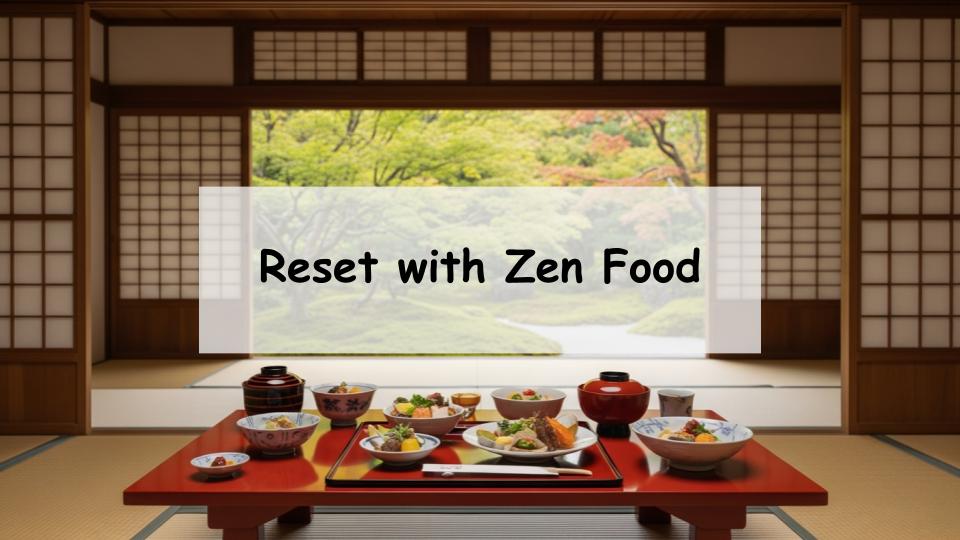
“Shojin Ryori,” a traditional Japanese cuisine that uses no meat or fish and maximizes the natural flavors of ingredients, is more than just a healthy meal. It is a special experience to express gratitude for life and to settle a chaotic mind. However, even if you want to try it, you might hesitate, wondering, “Which temples serve delicious Shojin Ryori?” or “Is the atmosphere too formal and intimidating to book?”
In this article, we have carefully selected 7 popular temples where even beginners can casually visit to enjoy delicious Shojin Ryori and reset their minds and bodies.
From exquisite lunches served in serene spaces to famous temples where you can dine while gazing at beautiful gardens, we have picked a wide variety of spots. Please read to the end to find the perfect temple to turn your weekend into a healing retreat.
- What is Shojin Ryori? The Appeal of a Meal that Balances Mind and Body
- Best Places to Eat Shojin Ryori! 7 Popular Temples to Reset Your Mind and Body
- 1. 【Kyoto, Tenryu-ji】 Enjoy “Shigetsu” While Gazing at a World Heritage Garden
- 2. 【Kyoto, Myoshin-ji】 Seasonal Vegetables and Serenity at “Taizo-in”
- 3. 【Kyoto, Manpuku-ji】 “Fucha Ryori”: Chinese-Style Cuisine Shared on Platters
- 4. 【Koyasan, Ichijo-in】 Exquisite Shojin Kaiseki and Goma Dofu at a Temple Lodging
- 5. 【Kamakura, Kencho-ji】 Taste Traditional “Kenchin-jiru” at Japan’s First Zen Temple
- 6. 【Kamakura, Engaku-ji】 Walk-ins Possible? Rice Porridge at Butsunichi-an
- 7. 【Tokyo, Mt. Takao Yakuo-in】 Seasonal Gozen to Heal After Hiking
- First Time? Tips for Enjoying Shojin Ryori at a Temple
- Summary: Spend a Peaceful Moment with Shojin Ryori on Your Next Day Off
- A Message from the Guide
What is Shojin Ryori? The Appeal of a Meal that Balances Mind and Body
Shojin Ryori is a type of cuisine prepared according to Buddhist precepts, which forbid the killing of living beings. It uses absolutely no meat or fish, relying solely on plant-based ingredients such as vegetables, beans, grains, and seaweed. While it was once eaten by monks as part of their training, today it is widely enjoyed by the general public due to the rising interest in health and wellness. Here, we delve into the unique appeal of Shojin Ryori, which differs from simple vegetarianism.
Healthy and Gentle Menus Without Animal Products
The greatest feature of Shojin Ryori is that it consists entirely of plant-based ingredients. Even the dashi (soup stock) is made from kelp or shiitake mushrooms, carefully extracting umami without using bonito flakes or other animal products. Since it contains no animal fats, it places little burden on the digestive system, making it ideal for when you want to rest your stomach or reset after overindulging. The flavor profile is subtle yet profound, allowing you to rediscover the inherent strength of the ingredients.
The Spirit of “Gratitude” and Etiquette: Wasting Nothing
Buddhism teaches respect for the “life” dwelling in all ingredients. Therefore, in Shojin Ryori, vegetable skins and roots are used entirely, wasting nothing. It is customary to eat with gratitude for the effort put into making the food and for the nature that nurtured the ingredients. Taking the time to savor each bite while reflecting on the meaning of “Itadakimasu” (I humbly receive) can awaken a sense of gratitude often forgotten in our busy daily lives.
Detox Effects? Why It’s Recommended for Modern People
Menus centered on fiber-rich vegetables, seaweed, and high-quality plant proteins from soy products are expected to have a detoxifying effect by helping eliminate waste from the body. Furthermore, by adhering to the cooking fundamentals of “five flavors, five colors, and five methods,” nutritional balance is achieved, tuning up the body from the inside out. In this age of overeating, Shojin Ryori, with its “aesthetics of subtraction,” may be the best meal for regaining physical and mental balance.
Best Places to Eat Shojin Ryori! 7 Popular Temples to Reset Your Mind and Body
Here are popular temples where you can actually visit and taste Shojin Ryori. From the atmospheric ancient capital of Kyoto to spots in Kamakura and Tokyo that can be enjoyed on a day trip, let’s check out the unique features and culinary charms of each.
1. 【Kyoto, Tenryu-ji】 Enjoy “Shigetsu” While Gazing at a World Heritage Garden
Located within the grounds of Tenryu-ji, a World Heritage site in Arashiyama, Kyoto, is the Shojin Ryori establishment “Shigetsu.” Here, you can enjoy authentic cuisine utilizing seasonal ingredients while viewing the beautiful garden. The dishes arranged on vermilion trays are visually stunning, offering a quiet moment that allows you to feel the spirit of Zen. With a record of being listed in the Michelin Guide, it is a renowned spot guaranteeing both excellent taste and atmosphere.

2. 【Kyoto, Myoshin-ji】 Seasonal Vegetables and Serenity at “Taizo-in”
Among the vast grounds of Myoshin-ji, Taizo-in is a sub-temple boasting one of the finest gardens. Here, they offer a plan where you can enjoy catered Shojin Ryori from the famous shop “Ajiro” (reservation required). You can dine near the Yoko-en, a dry landscape garden designated as a National Place of Scenic Beauty, savoring delicate dishes alongside the scenery of the four seasons. A meal in this silence is truly an experience that washes the soul.
3. 【Kyoto, Manpuku-ji】 “Fucha Ryori”: Chinese-Style Cuisine Shared on Platters
Located in Uji City, Manpuku-ji is the head temple of the Obaku sect, founded by the Chinese monk Ingen Zenji. Here, you can eat “Fucha Ryori,” a Chinese style of Buddhist vegetarian cuisine. Unlike general Japanese Shojin Ryori, it features dishes served on large platters that everyone shares. It uses plenty of vegetable oil, giving it a richness and satisfying volume that overturns the typical image of austere Buddhist food. It is recommended for those who want a unique dining experience in an exotic temple setting.

4. 【Koyasan, Ichijo-in】 Exquisite Shojin Kaiseki and Goma Dofu at a Temple Lodging
Ichijo-in, a shukubo (temple lodging) in Koyasan, the sacred site of Japanese Buddhism, is particularly reputed for its delicious food. While it is an inn, lunch-only visits are possible, allowing you to taste Shojin Kaiseki (multi-course meal) that rivals high-end traditional restaurants. Koyasan’s famous “Goma Dofu” (sesame tofu) is exceptional here; its smooth texture and rich aroma are unforgettable. Sharpen your five senses and enjoy the meal in the dignified atmosphere of this historic temple.

5. 【Kamakura, Kencho-ji】 Taste Traditional “Kenchin-jiru” at Japan’s First Zen Temple
Kencho-ji, which holds the highest rank among the Five Great Zen Temples of Kamakura, is said to be the birthplace of “Kenchin-jiru” (Kencho soup), a soup made by frying root vegetables in sesame oil and simmering them in dashi. At “Tenshin-an” within the temple grounds, you can casually enjoy menus featuring this traditional soup set with rice balls. Despite being a prestigious Zen temple, the atmosphere is approachable, making it a popular lunch spot for Kamakura sightseeing.
6. 【Kamakura, Engaku-ji】 Walk-ins Possible? Rice Porridge at Butsunichi-an
At Butsunichi-an, a sub-temple of Engaku-ji located right in front of Kita-Kamakura Station, you can enjoy coffee and light meals within the lush green grounds. Reservations are sometimes not required here, making it attractive for its casual accessibility during a walk. Their famous “Kayu-zen” (rice porridge set) is gentle on the stomach and warms the tired body from the inside out. Why not spend a peaceful moment in this quiet space loved by literary figures?
7. 【Tokyo, Mt. Takao Yakuo-in】 Seasonal Gozen to Heal After Hiking
At Yakuo-in, located halfway up Mt. Takao—a spot easily accessible from central Tokyo and bustling with hikers—you can also eat authentic Shojin Ryori. They offer colorful menus like the “Tengu-zen” and seasonal sets, which are perfect for soothing fatigue after hiking. Eating in the clear mountain air is exceptional, giving you the sensation of absorbing nature’s energy into your body. Many courses require prior reservation, so planning ahead is recommended.
First Time? Tips for Enjoying Shojin Ryori at a Temple
Hearing about dining at a temple might make some people feel a bit nervous. However, if you know the basics, anyone can relax and enjoy it. Here, let’s confirm the points to ensure a smooth Shojin Ryori experience.
Is Reservation Necessary? Average Budget and Notes
Most temples serving Shojin Ryori require advance reservations to prepare ingredients and secure seats. Early booking is essential, especially during the autumn foliage and cherry blossom seasons. While some cafe-style places allow walk-ins, we recommend checking the official website for the latest information. The budget for lunch is typically around 2,000 to 3,000 JPY for a simple set, and 5,000 to 10,000 JPY for a full Kaiseki style. Cash is often the only accepted payment method, so be sure to come prepared.
Clothing and Etiquette: What if I Can’t Sit Seiza?
Even though it is a temple, there is no need for extremely formal attire if you are just there for a meal. However, avoid revealing clothes or overly flashy outfits; aim for a clean, respectful look. Also, since you will likely take off your shoes, be mindful of holes or dirt on your socks. If you are uncomfortable sitting in seiza (kneeling position), check in advance if tables and chairs are available. During the meal, refrain from loud conversations and remember to be considerate of other visitors sharing the quiet space.
Combine with Zazen or Sutra Copying for Deeper Refreshment
If you are visiting a temple, we recommend combining your meal with ascetic practices like Zazen (seated meditation) or Shakyo (sutra copying). Calming your mind with meditation before eating, or concentrating on copying sutras after the meal, makes the Shojin Ryori experience much deeper. Many temples offer experience plans for beginners, so if you want to maximize the mind-body reset effect, please give it a try.


Summary: Spend a Peaceful Moment with Shojin Ryori on Your Next Day Off
Shojin Ryori, carefully prepared with nature’s bounty and without meat or fish, allows modern people to regain “gratitude for food” and “peace of mind” that we tend to forget. A meal at a historic temple in Kyoto, Kamakura, or Koyasan is more than just lunch; it is a special experience.
The 7 temples introduced here are all wonderful spots that will satisfy everyone from beginners to Shojin Ryori enthusiasts. Time spent slowly savoring a meal in silence, away from the hustle and bustle of daily life, serves as the best detox to cultivate vitality for tomorrow. For your next day off, why not embark on a Shojin Ryori journey to tune your mind and body?
A Message from the Guide

I love Shojin Ryori.



Comment