“What kind of temple is Dainichibo at the head temple of Mt. Yudono in Yamagata Prefecture?”
“What benefits can visitors receive there?”
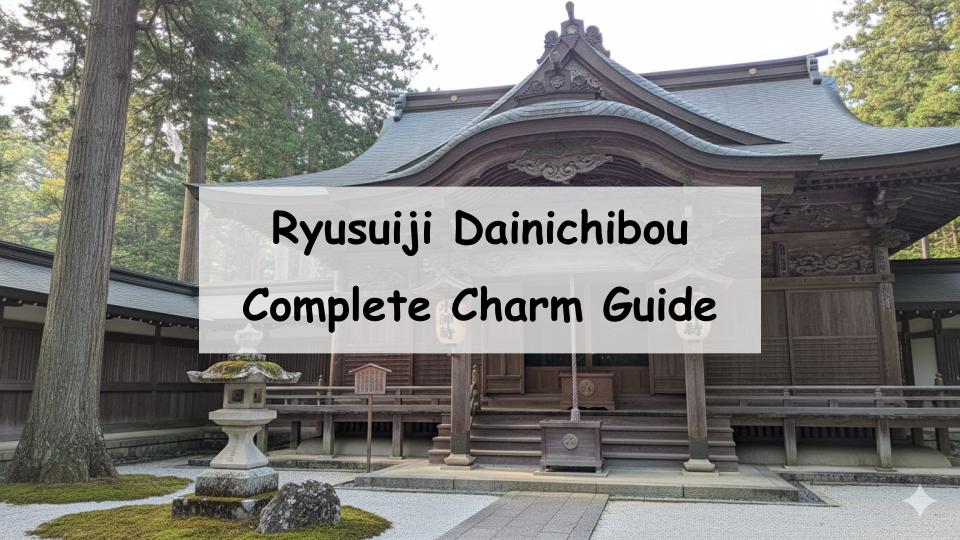
Dainichibo Temple (Yudonosan Sohonji Ryusuiji Dainichibo), located in Tsuruoka City, Yamagata, has long flourished as a sacred site of Shugendō mountain worship and continues to welcome many pilgrims today.
In this article, we’ll explore the temple’s history, distinctive features, highlights, spiritual benefits, and access information in detail. By the end, you’ll have a full picture of what makes Dainichibo special and useful knowledge for planning your visit.
Let’s dive in.
What Is Dainichibo Temple? History and Overview
Dainichibo is a historic temple in Tsuruoka City. It is widely known as a central site of Mt. Yudono faith and as a temple that enshrines a sokushinbutsu (self-mummified monk).
Foundation and History
The temple is said to have been founded in 821 by Kōbō Daishi (Kūkai). For more than 1,200 years it has served as a base of devotion connected with Mt. Yudono. Despite repeated fires and periods of decline, it has always been rebuilt, reflecting the deep faith people hold toward it.

Connection to the Mt. Yudono Faith
Mt. Yudono is one of the Dewa Sanzan (Mt. Gassan, Mt. Haguro, and Mt. Yudono), sacred mountains believed to govern the past, present, and future. Mt. Yudono in particular represents the future, and it became a center for prayers for death, rebirth, and renewal.
Dainichibo has played a vital role in this belief system, accepting numerous ascetics and worshippers. It inherits the mysterious spirit often expressed as “speak not, hear not” regarding the secret rites of Mt. Yudono, conveying the depth of this faith to the present day.
Principal Image and Spiritual Benefits
The main deity of Dainichibo is Dainichi Nyorai (Mahāvairocana), the supreme Buddha of Shingon Esoteric Buddhism. He represents the truth of the universe and is said to grant all wishes.
Because the temple also enshrines the sokushinbutsu monk Shinnyokai Shōnin, many visitors pray here for good health, safety of the family, prosperous business, and abundant harvests. Worshipping a sokushinbutsu is believed to bring salvation in this world and peace in the next.
Role as a Temple of the Buzan Branch of Shingon
Dainichibo belongs to the Buzan branch of Shingon Buddhism, founded on the teachings of Kōbō Daishi. With Hasedera in Nara as its head temple, the branch spreads esoteric teachings throughout Japan. Dainichibo fulfills its role through memorial services, training, and as a spiritual anchor for the local community.
Highlights and Unique Features
Beyond its historic buildings, Dainichibo is filled with attractions rooted in its distinctive faith.
The Sokushinbutsu: Shinnyokai Shōnin
Essential to any visit is the sokushinbutsu enshrined in the main hall.
What Is a Sokushinbutsu?
A sokushinbutsu is a monk who, after severe ascetic practice, mummified himself and became a Buddha in this very body. In Japan, this practice was mainly carried out by Shugendō practitioners connected with Mt. Yudono, and only a few examples survive today. They sought to leave their enlightened form for the salvation of all beings.

Life of Shinnyokai Shōnin
Shinnyokai Shōnin lived in the mid-Edo period and became a sokushinbutsu in 1755. He entered the priesthood at 24, trained rigorously at Mt. Yudono, and is said to have entered eternal meditation at 46. This meant sealing himself inside a stone chamber underground, continuing fasting and chanting until death.
More than 200 years later, his form remains, continuing to inspire visitors.
The Sacred “Wish-Granting Cow”
Near the main hall stands a cow statue carved from sacred wood. People have long believed that gently touching it helps their wishes come true—especially prayers for healing, success in study, or good relationships.
A Power Spot for Good Fortune and Wealth
Because of its history and the presence of the sokushinbutsu, Dainichibo is famous as a powerful spiritual site. The solemn atmosphere of the hall and the purity of the mountain air refresh both mind and body. Many visitors come seeking better luck or financial fortune.
Other Attractions (Treasure Hall, Garden)
The treasure hall displays valuable cultural items and Buddhist statues that reveal the temple’s long history. The carefully maintained garden shows different beauty each season, offering a peaceful place to relax.
Access
Since the temple lies in the mountains, checking transportation in advance is important.
By Car (Parking)
About 15 minutes from the Shonai-Asahi IC on the Yamagata Expressway. A large free parking lot is available. During busy times such as the autumn foliage season, arriving early is wise.
By Train and Bus
Nearest Station and Bus Stop
The nearest station is JR Tsuruoka. From there, take a bus to the “Dainichibo” stop, a few minutes’ walk from the temple.
Shonai Kotsu Bus
Buses run from Tsuruoka Station, but services are limited, so check the timetable beforehand. In winter, snow may cause cancellations or delays.
Etiquette and Practical Information
Hours and Admission
Hours may vary by season. Generally the temple is open from 9:00 a.m. to 5:00 p.m., but it may close in winter. Admission is charged, so confirm details before visiting.
Clothing and What to Bring
Avoid overly revealing clothing and choose something respectful, especially when viewing the sokushinbutsu. Wear comfortable shoes, as there are slopes and stairs. In winter, prepare for cold weather.
Photography
Photography inside the main hall and of the sokushinbutsu is usually prohibited to maintain respect and sacredness. Some outdoor areas may be allowed—follow posted guidance.
Nearby Sightseeing
Yudonosan Shrine (Main Sanctuary)
About 15 minutes by car. Famous for the taboo phrase “speak not, hear not,” it features a sacred object with hot spring water flowing from it.
Dewa Sanzan (Gassan & Haguro)
These three mountains symbolize past, present, and future. Haguro is known for its national-treasure five-story pagoda and cedar avenue; Gassan attracts many climbers in summer. Visiting all three makes a meaningful pilgrimage.
Other Facilities
Roadside stations, hot springs, and shops selling local specialties are scattered nearby.
Annual Events
Major Services
On the 21st of each month, a memorial day for Kōbō Daishi is held. Equinoctial services and the Obon festival are also observed.
Special Openings
Treasures not usually displayed may be shown during certain periods. In autumn, illumination events sometimes create a magical atmosphere.
Goshuin and Amulets
Goshuin
You can receive stamps for Dainichi Nyorai and Shinnyokai Shōnin. Limited editions may also be available.
Popular Amulets
Items for good luck, health, academic success, and improved finances are especially popular, along with charms connected to Shinnyokai Shōnin.
FAQ
How long should I plan?
About one to one and a half hours, including viewing the sokushinbutsu. Add more time if you want to explore the treasure hall and garden slowly.
Is it barrier-free?
Some areas have stairs, so it isn’t completely accessible, but certain ramps and staff assistance may be available. Contact the temple in advance if needed.
Are there restaurants?
There are none on the grounds, but nearby you’ll find places serving Yamagata soba and regional cuisine, as well as facilities at roadside stations.
A Message from the Guide
The overwhelming presence of Sokushinbutsu makes the weight of history palpable.


Comment