“What kind of temple is Shohouji Temple in Gifu?” “I want to know its highlights and how to get there!” If you are searching for information about Shohouji Temple (Shohou-ji), you likely want to know its key appeals before visiting. In short, Shohouji Temple in Gifu is a fascinating spot offering breathtaking statues—including the magnificent Gifu Great Buddha (Shaka Nyorai)—and a serene, historic atmosphere. This article introduces the highlights, features, visitor information, and recommended directions for Shohouji Temple. Knowing what to look out for beforehand will make your visit even more rewarding, so be sure to read through to the end!
- What is Shohouji Temple in Gifu? History and Essential Information
- Major Highlights and Appeal of Shohouji Temple
- Tips for Enjoying Your Visit to Shohouji Temple
- Access and Parking Information for Shohouji Temple
- Conclusion: Experience History and the Majestic Great Buddha at Shohouji Temple
- A Message from the Guide
What is Shohouji Temple in Gifu? History and Essential Information
Origin and Historical Background of Shohouji Temple
Located in Daibutsu-cho, Gifu City, Gifu Prefecture, Shohouji Temple is a historic Buddhist temple belonging to the Obaku sect. It is said to have been founded around 1685 during the mid-Edo period by Dokutan Shoei, a disciple of Ingen Zenji (the founder of the Obaku sect in Japan). At the time, Shohouji served as a spiritual sanctuary for people recovering from earthquakes and disasters, offering a place to pray for lasting peace. The famous “Gifu Great Buddha” took nearly 38 years of dedicated effort to complete, finally reaching completion in the Tenpo era toward the end of the Edo period. Located in a historic castle town closely tied to Oda Nobunaga, this venerable site has quietly watched over local faith and historical shifts for centuries.
Opening Hours, Admission Fees, and Basic Visitor Info
When visiting Shohouji Temple, it is helpful to check the admission hours and fees in advance. The temple is open year-round from 9:00 AM to 5:00 PM. Admission is very reasonable at 200 yen for adults and 100 yen for children, making it an easy and accessible stop for visitors. The serene ambiance inside the historic buildings and Great Buddha Hall makes it an ideal spot to relax and find peace during your travels.
Major Highlights and Appeal of Shohouji Temple
The Impact of the “Gifu Great Buddha” (Shaka Nyorai), One of Japan’s Three Great Buddhas
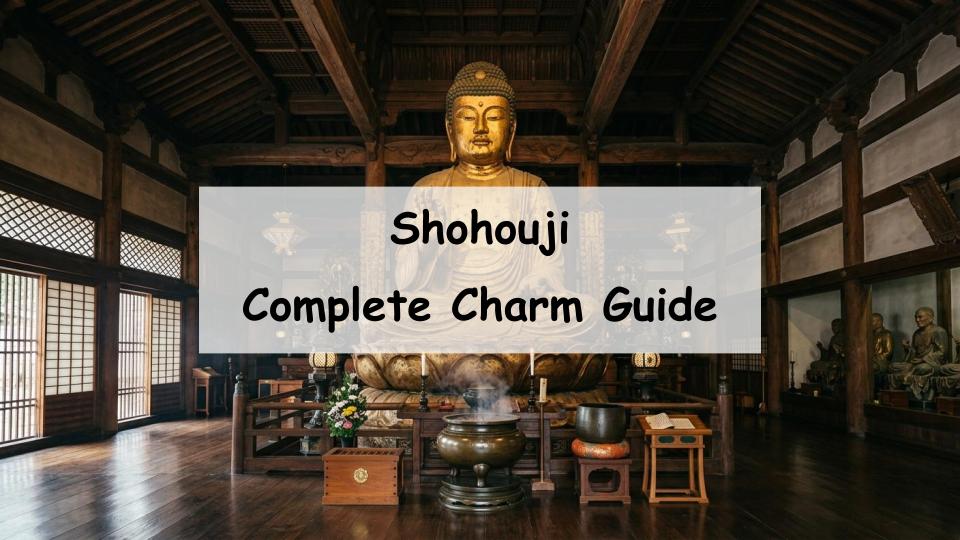
The primary highlight and most renowned feature of Shohouji Temple is the Shaka Nyorai statue, commonly known as the “Gifu Great Buddha.” Often counted alongside the Great Buddhas of Nara and Kamakura as one of Japan’s Three Great Buddha Statues, it is a must-see destination when visiting Gifu. Stepping inside the Great Buddha Hall immediately confronts you with a massive statue whose overwhelming presence and solemn atmosphere fill the room.

Size and Unique Basketry Construction (Kago-zukuri) of the Gifu Great Buddha
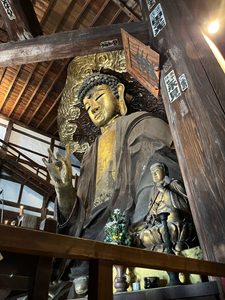
Standing at approximately 13.7 meters tall, the Gifu Great Buddha is one of the largest wooden lacquer statues in Japan. Its most unique structural feature is the “kago-zukuri” (basket-weave) technique used in its construction. A framework of timber is covered with intricately woven quality bamboo, over which layers of lacquer-coated sutra paper are applied. Finally, leafed in gold, the finished Buddha appears both light in structure and impressively grand in luster. Visitors can appreciate the exquisite craftsmanship and ingenuity that sets this statue apart from other Great Buddhas in Japan.
Expression and Interior Construction Highlights
The gentle, benevolent expression of the Great Buddha brings a sense of calm and relief to those looking up at it. Depending on the angle from which you view the statue, its expression seems to subtly change, giving it a captivating quality. Within the statue’s core stands a central pillar supporting the wooden framework, accompanied by historic sutra inscriptions and traces of history that add deep historical significance.
Peaceful Temple Grounds, Architecture, and Cultural Assets
Shohouji Temple offers much more than just its iconic Great Buddha. The Great Buddha Hall housing the statue is designated an Important Cultural Property of Gifu Prefecture, featuring unique architectural designs influenced by Chinese styles and impressive roof construction. Additionally, the grounds house numerous Buddhist statues, including the Five Hundred Arhats (Gohyaku Rakan), allowing visitors to admire the distinct facial expressions and poses of each statue. Simply standing in the tranquil temple courtyard offers a refreshing escape from the bustle of daily life.
Seasonal Beauty Across the Temple Grounds
The grounds of Shohouji Temple change their appearance with the passage of the seasons, offering a unique sight whenever you visit. Spring brings blooming cherry blossoms in the surrounding area, while summer dresses the grounds in vibrant greenery. In autumn, brilliant fall foliage colors the landscape, creating a striking contrast against the historic temple architecture. The scenic atmosphere makes it a popular spot for travel photography in every season.



Tips for Enjoying Your Visit to Shohouji Temple
Visitor Etiquette and Estimated Duration
When visiting Shohouji Temple, maintain a respectful demeanor and observe the statues quietly so as not to disturb other worshipers. While photography is generally permitted, avoid using tripods or making loud noises. The estimated time needed to explore Shohouji Temple and view the Great Buddha is about 30 to 40 minutes. Even if you prefer to take your time and enjoy the quiet surroundings, one hour is plenty of time for a thorough visit.
Recommended Sightseeing Route with Nearby Attractions (Gifu Park, Gifu Castle)
Shohouji Temple is conveniently located near major sightseeing spots in Gifu City, making it ideal to combine with other destinations. Right next door lies the spacious Gifu Park, where you can stroll through lush greenery toward the Mt. Kinka Ropeway station. Taking the ropeway up to Gifu Castle at the summit rewards you with panoramic views of Gifu City and the Nagara River. Visiting Shohouji Temple first, walking through Gifu Park, and taking the ropeway up to Gifu Castle is a classic, efficient route for experiencing Gifu’s history and nature.
Access and Parking Information for Shohouji Temple
Getting There by Train and Bus
For visitors using public transportation, starting from JR Gifu Station or Meitetsu Gifu Station is the most convenient option. From either station, take the Gifu Bus N-Line (heading toward Nagarabashi) for about 15 minutes and get off at the “Gifu Koen Rekishi Hakubutsukan-mae” bus stop. The temple is just a 3-minute walk from the bus stop, making it easy to reach even for first-time visitors.
Driving Directions and Nearby Parking Info
If traveling by car, Shohouji Temple is approximately 20 minutes from the Gifu-Kakamigahara Interchange on the Tokai-Hokuriku Expressway. While the temple has dedicated parking spaces for visitors, availability is limited, so caution is advised during busy weekends or peak tourist seasons. If the temple parking lot is full, nearby options like the Gifu Park Parking Lot or local coin-operated parking lots are convenient alternatives. Parking nearby allows you to easily explore Shohouji Temple, Gifu Park, and the Nagara River area on foot.
Conclusion: Experience History and the Majestic Great Buddha at Shohouji Temple
Shohouji Temple in Gifu Prefecture is a captivating destination that combines the impressive scale of one of Japan’s largest Buddha statues with a quiet history dating back to the Edo period. The gentle expression of the basket-weave Great Buddha and the serene atmosphere of the temple offer a special experience that lets you forget the rush of daily life. With easy bus access from Gifu Station and proximity to top attractions like Gifu Castle and Gifu Park, it is a perfect addition to any itinerary. When traveling in the Gifu area, be sure to visit Shohouji Temple and feel the grand scale and rich history of the Gifu Great Buddha firsthand!
A Message from the Guide

The Gifu Great Buddha has a truly gentle expression, and it gives me a sense of peace.
👉 Check out on Instagram

Comment