Sairai-in Temple, located in Shuri, Naha City, Okinawa, is affectionately known by locals as “Daruma-dera.” If you are planning a visit, you might be wondering about the temple’s spiritual benefits, key highlights, and how to get there.
As one of the stops on the traditional Shuri Twelve Zodiac Pilgrimage—specifically dedicated to those born in the Year of the Rabbit—this historic temple has long been cherished by both locals and visitors. With the statue of Bodhidharma (Daruma) enshrined on the grounds, it continues to attract many people seeking blessings for family safety, travel protection, and warding off misfortune.
This article provides an in-depth guide to the history, unique features, main highlights, and access information for Darumahou Sairai-in to help you plan your visit.
- Darumahou Sairai-in (Daruma-dera): History and Characteristics
- Highlights of Darumahou Sairai-in
- Main Spiritual Blessings of Darumahou Sairai-in
- The Shuri Twelve Zodiac Pilgrimage (Tera-mawari) and Sairai-in
- Access and Parking Information for Darumahou Sairai-in
- Basic Information for Darumahou Sairai-in
- Recommended Sightseeing Spots Around Darumahou Sairai-in
- Conclusion
- A Message from the Guide
Darumahou Sairai-in (Daruma-dera): History and Characteristics
History and Origin of Sairai-in
The history of Darumahou Sairai-in dates back to the Ryukyu Kingdom era. It is said to have been founded between the late 16th century and early 17th century by the priest Kikuin Soui. Initially located in the Gibo area of Naha, the temple was later relocated to its current site in Shuri Akata-cho. Although the original structures were tragically destroyed during the Battle of Okinawa, the temple was rebuilt through the dedicated efforts of the local community after the war, and the main hall stands today as a symbol of resilience.
Why is it Called “Daruma-dera”?
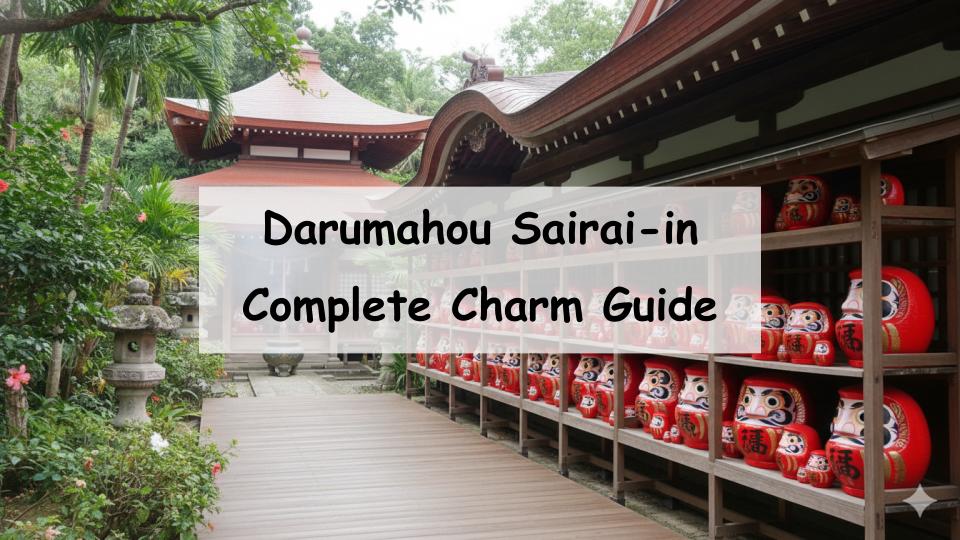
The reason Sairai-in is widely known as “Daruma-dera” lies in the numerous statues of Bodhidharma, or Daruma, enshrined on its grounds. The sight of countless red Daruma dolls, placed by visitors seeking to make wishes or express gratitude for answered prayers, is a highly unique feature of this temple. This distinct visual presence has made the temple a familiar and approachable spiritual landmark for generations.
Worship as the Guardian Deity for the Year of the Rabbit
Okinawa has a long-standing tradition of visiting specific temples based on one’s Chinese zodiac sign. Sairai-in enshrines Manjusri Bodhisattva, who serves as the guardian deity for those born in the Year of the Rabbit. Because of this, the temple has been deeply revered by people born under this sign, who visit to offer prayers of gratitude and seek lifelong protection.

Highlights of Darumahou Sairai-in
“Darumado” Filled with Numerous Daruma Dolls
One of the most eye-catching highlights within the temple grounds is the Darumado, a dedicated hall filled with countless red Daruma dolls. The sight of these dolls of various sizes neatly arranged is both impressive and comforting, offering a glimpse into the hopes and dreams of the many visitors who have left them here. Each doll represents a personal prayer for success, health, or prosperity.
The Main Hall and Enshrined Buddhist Statues
Inside the reconstructed main hall, several sacred Buddhist statues are enshrined, including the principal image of Amitabha Tathagata, Manjusri Bodhisattva, and Bodhidharma. The interior of the hall maintains a quiet and solemn atmosphere, allowing visitors to step away from the bustle of the city and pray in peace. The serene presence of these statues offers a deeply reflective experience.
The Calm Temple Grounds and Serene Garden
Although Sairai-in is relatively compact, it features a beautifully maintained garden rich with greenery. Tucked away in a quiet corner of the historic Shuri district, the temple grounds offer a peaceful retreat where the only sounds are the rustling of leaves and the occasional song of birds. It is an ideal spot to pause, relax, and enjoy a quiet moment during your travels.
Goshuin and Amulets Available at the Temple Office
Before leaving, visitors often stop by the temple office to purchase charms or receive a temple seal. Sairai-in offers unique amulets, wooden plaques, and fortune slips featuring adorable Daruma designs. The hand-written Goshuin temple stamp is also highly sought after by collectors and travelers who wish to keep a meaningful memento of their visit.
Main Spiritual Blessings of Darumahou Sairai-in
Wisdom and Academic Success (Manjusri Bodhisattva)
The enshrined Manjusri Bodhisattva is widely revered as the deity of wisdom and intellect. Reflecting the famous Japanese proverb that equates group discussion to the wisdom of Manjusri, this deity is believed to grant academic success and mental clarity. Consequently, the temple sees many students and their families visiting during exam seasons to pray for high marks and successful school admissions.

Family Safety and Good Health
The principal deities, Amitabha and Bodhidharma, are also turned to for the protection of one’s family. Many local residents visit Sairai-in regularly to pray for the ongoing health and safety of their households, asking for protection against illness and daily misfortunes so that they may lead peaceful lives.

Safe Childbirth and Conception
The Daruma doll is a symbol of resilience, representing the spirit of getting back up no matter how many times one falls. Because of this association with vital energy and strength, Daruma-dera is also believed to bring blessings for safe childbirth and healthy conception. Many couples and families visit to pray for the safe delivery and future growth of their children.

The Shuri Twelve Zodiac Pilgrimage (Tera-mawari) and Sairai-in
What is Okinawa’s Traditional “Shuri Twelve Zodiac Pilgrimage”?
Okinawa has a unique and historic pilgrimage tradition known as “Shuri Twelve Zodiac Pilgrimage,” or Tera-mawari. This practice involves visiting four designated temples in the Shuri area to pay respects to the guardian deities of each zodiac sign. It is a custom designed to seek protection, good health, and fortune throughout one’s life, and it remains an active part of Okinawan culture today.
Etiquette and Tips for Visiting Sairai-in
When visiting Sairai-in as part of the zodiac pilgrimage, it is important to remember that this is a sacred site of worship rather than a mere tourist attraction. Visitors should cleanse their hands at the purification fountain before entering the main hall and offer prayers quietly. Knowing your zodiac sign and its corresponding deity beforehand will make the experience even more meaningful.
Access and Parking Information for Darumahou Sairai-in
Access by Monorail (Yui Rail)
For those traveling by Okinawa’s monorail system, the Yui Rail, the nearest stations are Gibo Station or Shuri Station. From either station, the temple is approximately a fifteen-minute walk. The route takes you through quiet residential streets and historic alleys, allowing you to enjoy the local atmosphere of the Shuri area along the way.
Access by Car or Rental Car and Parking Details
If you are driving or using a rental car from Naha Airport or central Naha, head toward the Shuri Castle area. Sairai-in has a small parking area for visitors, but the surrounding roads can be narrow with some one-way streets, requiring careful driving. If the temple parking is full, utilizing nearby coin-operated parking lots is recommended.
Access by Local Bus
Taking a local city bus is another convenient option. You can board buses operating within Naha City and get off at the Gibo bus stop or the Shuri Akata-cho bus stop. From these stops, the temple is just a short walk away, making this a great option for those looking to minimize walking on hilly roads.
Basic Information for Darumahou Sairai-in
Visiting Hours and Admission Fees
Generally, Sairai-in is open to visitors from 9:00 AM to 5:00 PM daily. There is no admission fee to enter the grounds, allowing anyone to pay their respects freely. However, as it is an active place of worship for the local community, visitors are expected to remain quiet and respectful, avoiding entry outside of these standard hours.
Address and Contact Information
Sairai-in is located at 1-51 Shuri Akata-cho, Naha City, Okinawa. For inquiries regarding specific ceremonies, amulets, or seasonal temple events, visitors can consult the temple office directly on-site or contact them by phone.
Recommended Sightseeing Spots Around Darumahou Sairai-in
Shuri Castle Park
Located within walking distance of Sairai-in, Shuri Castle Park is one of the most famous historical landmarks in Okinawa. Serving as the political, diplomatic, and cultural center of the Ryukyu Kingdom, it is an essential stop to pair with your temple visit. Visitors can observe the ongoing restoration efforts of the main castle structures and enjoy beautiful panoramic views of Naha.
Shuri Kannon-do (Jigen-in)
Another nearby point of interest is Shuri Kannon-do, which is also an important stop on the Shuri Twelve Zodiac Pilgrimage. Enshrining the guardian deities for those born under the signs of the Rat, Horse, Dog, and Boar, visiting this temple alongside Sairai-in offers a deeper look into Okinawa’s spiritual heritage amidst a quiet and scenic environment.
Conclusion
Darumahou Sairai-in, widely known as Daruma-dera, stands as a historic temple in Okinawa that holds a special place in the Shuri Twelve Zodiac Pilgrimage. Between the iconic rows of red Daruma dolls in the Darumado, the peaceful main hall, and the quiet garden, it offers a serene escape from the busy pace of travel.
With convenient access from local monorail stations and bus stops, Sairai-in is easy to integrate into any Shuri sightseeing itinerary. Whether you are looking to pray for success and safety or simply wish to experience Okinawa’s rich cultural history, a visit to this charming temple is highly recommended.
A Message from the Guide
Although the temple grounds are compact, they are filled with notable highlights, such as the reclining Buddha statue and the ceiling paintings.

Comment