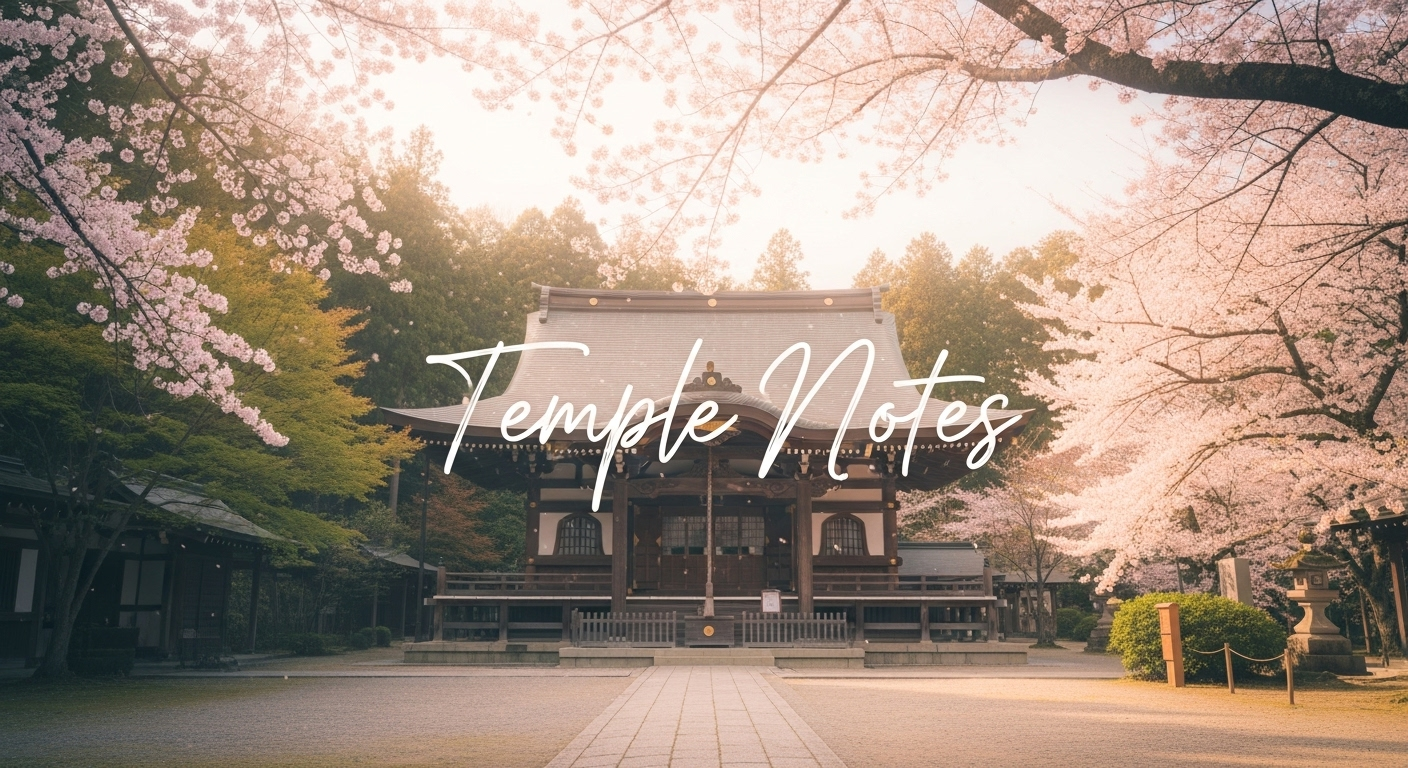

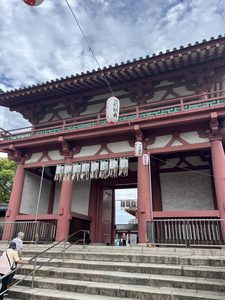
Today, I’m excited to introduce Shitennoji Temple, located in Tennoji Ward, Osaka. Established in 593 AD by Prince Shotoku during the reign of Empress Suiko, it is celebrated as Japan’s oldest officially administered Buddhist temple (Kanji).


Even though it sits right in the heart of modern Osaka, stepping through its gates instantly transports you back 1,400 years into the serene, majestic atmosphere of the Asuka period.
I recently visited Shitennoji by car, experiencing its peaceful grounds firsthand and climbing inside its famous five-story pagoda. Here is my authentic travel report, along with everything you need to know to make the most of your visit!
My Firsthand Experience: Temple Atmosphere & Panoramic Views
Even on a weekday morning, the broad temple grounds were pleasantly lively. What stood out to me most was the large number of international visitors exploring with deep interest. It was moving to see how Prince Shotoku’s legacy continues to draw people from all over the world, crossing cultural boundaries.
The undisputed icon of Shitennoji is its towering Five-Story Pagoda, visible from afar.
As you approach, the sheer height and brilliant vermilion pillars are awe-inspiring. But what surprised me most was that you can actually go inside and climb to the top!
Once you pay the admission fee for the Central Temple Grounds (300 yen for adults), there is no extra charge to climb the pagoda. As you ascend the wooden stairs step by step, you reach the top floor, where a sacred relic of the Buddha (Busshari) is enshrined.
Climbing the interior with my own feet and reaching the top amidst a sense of quiet reverence was a truly unique and unforgettable experience.
Note: Unfortunately, the Treasure House was closed on the day of my visit! It houses priceless historical artifacts related to Prince Shotoku as well as magnificent Buddhist sculptures, so I’ll definitely save that for my next trip. Be sure to check the opening schedule before you go!
The Beauty of Buddhist Statues: Enshrined Treasures of the Main Hall
When visiting Shitennoji, take your time in the Kondo (Main Hall) to admire the statues and their serene presence.
Enshrined at the center of the Kondo is Guze Kannon Bosatsu (Avalokiteshvara), said to reflect the sacred likeness of Prince Shotoku himself. Guarding the central deity in all four cardinal directions are the Four Heavenly Kings (Shitenno)—Jikokuten, Zochoten, Komokuten, and Tamonten—from whom the temple derives its name.
Stepping into the hall, a cool, refined stillness washes over you, naturally straightening your posture. The gentle, all-encompassing gaze of Guze Kannon forms a striking contrast with the fierce, powerful stances of the Four Heavenly Kings. For any lover of Buddhist art, this harmonious space takes your breath away.
The inner walls are adorned with colorful murals depicting the life of Sakyamuni Buddha, transforming the entire hall into a physical representation of the Buddhist realm. Spending quiet moments facing these statues away from the city bustle is a deeply uplifting experience.
Highlights & Features: Must-See Spots Around the Grounds
Shitennoji covers a vast area with numerous structures of high architectural and cultural value. Here are the key highlights to include on your walk:
1. Shitennoji-Style Garan Layout (Shitennoji-shiki Garan)
The main structures—the Middle Gate, Five-Story Pagoda, Main Hall (Kondo), and Lecture Hall (Kodo)—are arranged in a straight line from south to north, enclosed by a covered cloister. This is one of Japan’s oldest architectural styles, directly reflecting early influence from mainland Asia.
2. Kodo (Lecture Hall)
Located behind the Kondo, the Lecture Hall houses statues of Amida Nyorai and Yakushi Nyorai. The spacious interior offers a peaceful atmosphere, making it a wonderful place to pause and offer a quiet prayer.

3. Kamei-do & The Turtle Pond
On the eastern side of the grounds lies Kamei-do, featuring the “Kamei-sui,” where natural spring water flows from a turtle-shaped stone spout. Nearby, the “Turtle Pond” (Kame no Ike) is a visitor favorite, where dozens of turtles can often be seen sunbathing along the stone ledges.
4. Rokujiraisando & The Stone Stage
In the center of the complex stands the Rokujiraisando hall. In front of it sits an open-air stone stage (Ishi-butai), designated an Important Cultural Property and ranked among Japan’s Three Great Stone Stages. Every year on April 22nd, traditional Bugaku dances and Gagaku music are performed here during the Shoryo-e festival honoring Prince Shotoku.
Visitor Guide: Sect, Hours, Fees & Access
Essential information for planning your trip to Shitennoji:
Buddhist Sect
- Wa-shu (Wa Sect)
- Founded on Prince Shotoku’s principle that “Harmony is to be valued” (Wa wo motte totoshi to nasu), Shitennoji functions as an independent head temple that welcomes all schools of Buddhism.
Opening Hours & Admission Fees
- Grounds & Hall Hours
- April – September: 8:30 AM – 4:30 PM
- October – March: 8:30 AM – 4:00 PM
- Note: The outer temple grounds remain accessible 24 hours a day.
- Admission Fees
- Central Temple Grounds (Pagoda, Kondo, Kodo): Adults ¥300 / High School & University Students ¥200 / Junior High & Younger Free
- Gokuraku-jodo Garden: Adults ¥300 / Students ¥200 / Children ¥200
- Treasure House: Adults ¥500 / High School & University Students ¥300 / Junior High & Younger Free
How to Get There
- By Train
- A 5-minute walk from Exit 4 of Shitennoji-mae Yuhigaoka Station (Osaka Metro Tanimachi Line).
- A 12-minute walk from Tennoji Station (JR Lines & Osaka Metro).
- By Car (Author’s Route Experience)
- I visited by car on this trip. There is a paid parking lot directly south of the temple (Minami Parking Lot), which makes accessing the grounds very convenient.
- After exploring Shitennoji, I drove over to Namba, where I parked at a pre-booked lot before checking into my hotel. If you are navigating Osaka by car, starting at Shitennoji offers a smooth and easy start to your itinerary.By the way, I stayed at this hotel.

Final Thoughts
Carrying over 1,400 years of spiritual heritage, Shitennoji Temple remains a vital sanctuary of peace and history in Osaka.
From climbing inside the historic five-story pagoda to standing before ancient Buddhist statues in the quiet main hall, Shitennoji offers a rich experience for history enthusiasts, art lovers, and casual travelers alike.
On your next trip to Osaka, take a short detour from the bustling downtown to feel the quiet grandeur of Japan’s ancient Asuka era!
👉 Check out on Instagram



Comment