“I heard there’s a temple with a rather unusual name in Wakayama prefecture,” “What kind of blessings does Sukumadani Kannon offer?” “I’d like to know the access methods and temple highlights in advance.”
Have you ever thought about things like this?
This article thoroughly explains the charm of Sukumadani Kannon, an ancient temple located in Kamitonda Town, Wakayama Prefecture.
To sum it up, Sukumadani Kannon is a wonderful and spiritually refreshing power spot where a solemn historical atmosphere harmonizes with rich, seasonal nature.
Known as the temple of the Kannon deity with a unique legend of “saving a horse,” it attracts many visitors seeking a wide range of blessings, including traffic safety and health prayers for pets.
Below, we will introduce the following topics about Sukumadani Kannon in detail:
- The history of Sukumadani Kannon and the meaning behind its name
- Highlights of the grounds (Main Hall, Three-Story Pagoda, seasonal scenery, etc.)
- Key blessings and the legend related to horses
- Lesser-known hidden recommended spots nearby
- Detailed access information using cars and public transportation
By reading this article, you will fully understand the appeal of Sukumadani Kannon, and you’ll surely want to visit on your next holiday. Let us guide you into the world of Sukumadani Kannon.
- What is Sukumadani Kannon? An Overview of Wakayama’s Historic Temple
- Must-See Highlights and Spots on the Grounds
- Vermilion Stamps (Goshuin) and Their Varieties at Sukumadani Kannon
- Annual Events and Recommended Visiting Times
- Access and Parking Information for Sukumadani Kannon
- Lesser-Known Hidden Recommended Spots Around Sukumadani Kannon
- A Message from the Guide
What is Sukumadani Kannon? An Overview of Wakayama’s Historic Temple
Reading of the Name and Historical Background
Sukumadani Kannon is read as “Sukumadani Kannon” and is a deeply historic ancient temple located in Kamitonda Town, Nishimuro District, Wakayama Prefecture. Its foundation is said to date back to the Asuka period, and it has gathered the faith of many people since ancient times. The temple grounds, surrounded by deep greenery, are wrapped in quiet serenity, offering visitors a peaceful moment. You can feel the weight of history passed down across generations in the grounds that have been carefully preserved over a long period.
The Legend of “Saving a Horse” and the Origin of the Unique Name
The defining feature of this temple lies in the dramatic legend behind its name. Long ago, when a samurai prayed to the Kannon deity to cure his beloved horse’s illness and hardships, the horse was miraculously saved. Because of this event, it gained fame as the “valley that saved horses,” leading to the permanent name of Sukumadani Kannon. Today, it attracts deep devotion from worshippers nationwide seeking animal welfare, pet health prayers, and traffic safety.
Sect and Principal Image
Sukumadani Kannon is a temple affiliated with the Shingon sect, and the grounds are filled with Buddhist teachings and a solemn atmosphere. The principal image enshrined is the Sho-Kannon Bosatsu (Holy Avalokiteshvara), believed to relieve people’s troubles and sufferings with compassionate grace. Visitors seeking daily peace and spiritual salvation continuously visit to offer sincere prayers.

Must-See Highlights and Spots on the Grounds
The Solemn Main Hall (Kannon-do)
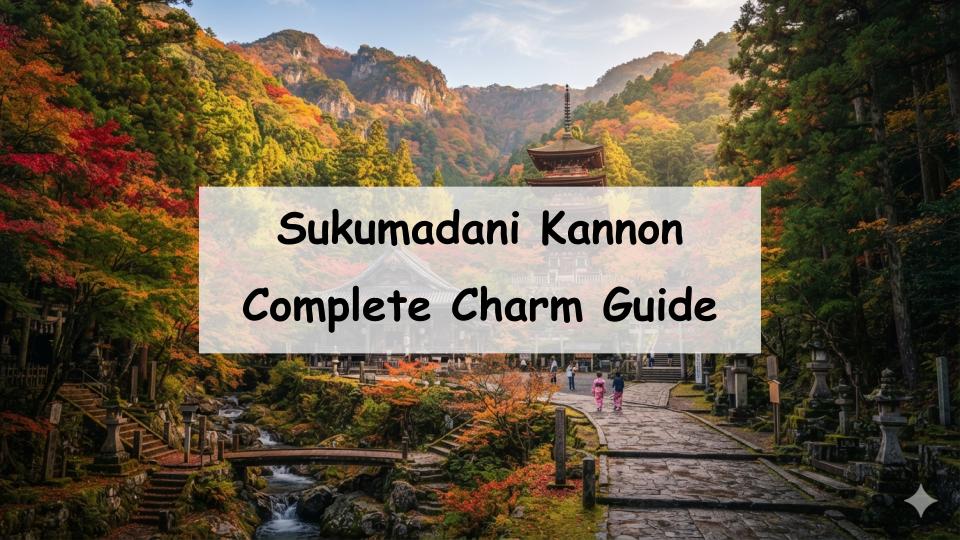
Located at the center of the grounds, the Main Hall features a heavy architectural style that reflects its history. The appearance of the Main Hall standing quietly amidst the serene temple grounds is striking, and stepping inside envelops you in a sacred atmosphere. From the inner sanctuary where the principal image is enshrined, you can feel deep compassion, allowing you to quietly pray away from the hustle and bustle of daily life.
The Three-Story Pagoda with Beautiful Scenery and History
A three-story pagoda stands in a corner of the grounds, beautifully harmonizing with the surrounding rich nature. The vermillion tower set against a backdrop of green mountains is known as a photogenic spot and delights visitors’ eyes. This fusion of architectural and natural beauty is a must-see highlight when visiting Sukumadani Kannon.
Blessings and Prayers as a Sacred Ground for Warding Off Evil
Sukumadani Kannon is widely known not only for traffic safety and animal prayers derived from the horse-saving legend, but also as a sacred ground for warding off bad luck and achieving various wishes. Many people enter years considered unlucky or face new challenges to pray for fulfillment. The Main Hall accepts various prayers, making it an important place to earnestly face one’s wishes.
Seasonal Nature on the Grounds (Cherry Blossoms, Autumn Leaves, etc.)
Because the grounds spread along a rich valley, visitors can enjoy beautiful nature changing through the four seasons. In spring, cherry blossoms bloom across the grounds, and in early summer, fresh greenery creates vibrant scenery. In autumn, brilliant fall foliage paints the entire area in red and yellow, enchanting visitors. It possesses a rich expression that makes you want to visit again and again across different seasons.

Guardian Shrines Reflecting the Fusion of Shinto and Buddhism
Strolling through the grounds reveals guardian shrines that retain elements of Shinto shrine architecture despite being a Buddhist temple. This serves as a valuable remnant of the historical syncretism of Shinto and Buddhism once deeply rooted in Japan. The unique historical depth and flavor drifting across the grounds stem partly from these subtle details.

Vermilion Stamps (Goshuin) and Their Varieties at Sukumadani Kannon
Design of Standard Goshuin and Reception Location
Collecting goshuin as a commemoration of worship is something many look forward to. The standard goshuin of Sukumadani Kannon features powerful brushwork and beautiful red stamps related to the historic temple name and principal image. Staff at the reception desk handle requests politely, and many visitors happily take them home as precious travel memories and proofs of pilgrimage.

Limited-Edition Goshuin and Special Offerings
Depending on seasonal shifts and special festivals, different limited-edition goshuin with unique designs are occasionally offered. Additionally, charms specialized for animal health and traffic safety, along with unique good-luck items, are available. Checking information in advance allows you to choose items matching your wishes and timing, making your visit even more fulfilling.

Annual Events and Recommended Visiting Times
Major Annual Festivals (New Year’s Visit, Setsubun, Grand Festivals)
Sukumadani Kannon holds various traditional events and festivals throughout the year. The New Year’s Hatsumode attracts many local residents and tourists praying for safety and health for the year. Events like Setsubun and the spring and autumn grand festivals bring extra vibrancy to the grounds, offering a solemn yet lively atmosphere different from ordinary days.
Seasonal Worship Aligned with Highlights
While the scenery is beautiful at any time of year, spring when cherry blossoms reach full bloom and autumn when the mountains change color are premier pilgrimage seasons. With mild climate conditions, these times are ideal for visits combining shrine exploration and light hiking. Enjoy your preferred seasonal scenery based on your schedule.
Access and Parking Information for Sukumadani Kannon
Access by Car (Nearest IC, Parking Info)
Accessing Sukumadani Kannon via a drive through rich nature is very popular. You can smoothly reach the destination from the nearby Kamitonda IC, and guide signs along surrounding roads are well-maintained. Dedicated parking lots for worshippers are provided around the grounds, allowing visitors to easily drive or rent a car.
Access by Public Transportation (Nearest Station, Bus Routes)
When using public transportation, visitors transfer between the nearest railway station and local buses or taxis. Because schedules may have limited runs, checking train timetables and bus operations beforehand ensures a smooth journey. Enjoying local window views at a relaxed pace is one of the distinct charms of traveling by train.
Points to Note and Estimated Time for Worship
Because the temple grounds utilize natural terrain, there are many stairs and slopes; wearing comfortable walking shoes is recommended. Exploring the grounds at a leisurely pace, including prayers and receiving a goshuin, takes roughly one to one and a half hours. Plan your schedule with plenty of time to fully savor the quiet temple grounds.
Lesser-Known Hidden Recommended Spots Around Sukumadani Kannon
Hidden Local Eateries and Beloved Regional Gourmet Gems
After visiting Sukumadani Kannon, it is highly recommended to seek out some of the area’s lesser-known local dining gems away from the major tourist crowds. In Kamitonda Town and the surrounding area, you can find tucked-away restaurants quietly serving the rich bounty of Kishu’s mountains and sea, alongside small family-run eateries cherished by locals for generations. In particular, cozy neighborhood spots offering exquisite local delicacies or intimate izakayas pouring rare regional sakes are true hidden treasures that will elevate your travel experience.
Serene Hidden Nature and Historical Spots
The surrounding area is home to quiet off-the-beaten-path locations that possess unique history and beauty, hidden away from the famous mainstream sightseeing spots. Examples include secluded walking trails showcasing Kishu’s rich valley scenery and small, atmospheric local shrines rarely visited by regular tourists. Stepping away from the crowds and immersing yourself in this deep, tranquil side of Kishu nature and history offers a special way to truly unwind.
A Message from the Guide

The temple grounds are quite spacious, creating a sacred site brimming with a hidden, mystical atmosphere.


Comment