“I know famous temples in Nara like Todaiji and Horyuji, but I’d love to visit somewhere with a unique charm.” “I’m planning a pilgrimage along the Saigoku 33 Kannon Temples and want to know more about the highlights of Tsubosakadera Temple and its giant Buddha.” Do you find yourself having questions or thoughts like these?
As a conclusion, Tsubosakadera Temple is a deeply historic and fascinating temple in Nara that combines awe-inspiring giant stone Buddhas, exotic scenery with deep ties to India, and beautiful seasonal nature.
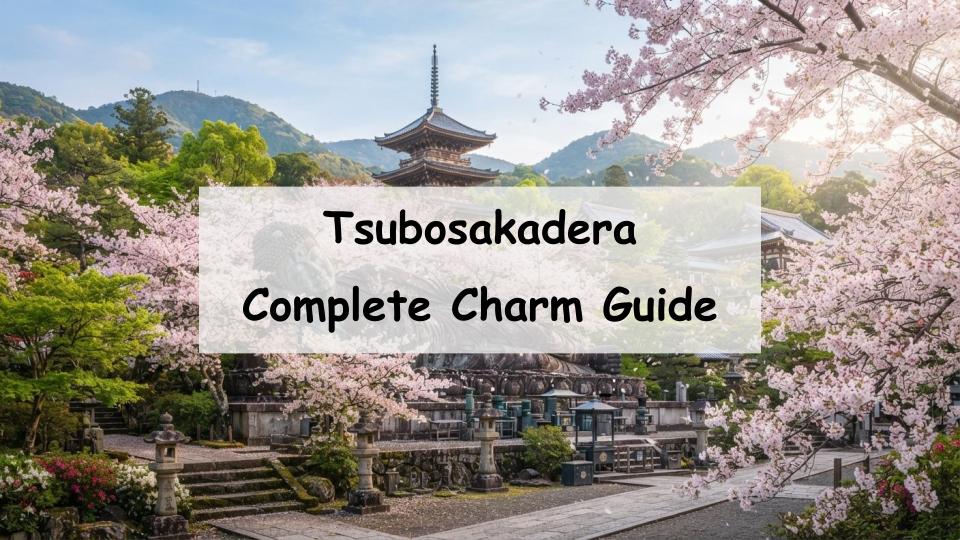
This article introduces everything you need to know about Tsubosakadera, including its history, features, unmissable highlights like the massive Buddha and three-story pagoda, and smooth access instructions.
Let’s dive into the full appeal of Tsubosakadera so you can plan a wonderful trip!
- What is Tsubosakadera (Minamihokkeji Temple)? History and Features
- Unmissable Highlights and Features of Tsubosakadera
- Red Seals (Goshuin), Amulets, and Visiting Information for Tsubosakadera
- How to Get to Tsubosakadera: Access Guide
- Conclusion: Enjoy a Fulfilling Trip Experiencing the Charm of Tsubosakadera
- A Message from the Guide
What is Tsubosakadera (Minamihokkeji Temple)? History and Features
The History of Tsubosakadera and Its Role as a Saigoku Kannon Pilgrimage Site
Located in Takatori Town, Nara Prefecture, Tsubosakadera is formally known as Minamihokkeji Temple. It is an ancient temple with a long history, reportedly founded in the 3rd year of the Taiho era (703 AD) by the monk Benki Shonin from Gokoku-ji. It is widely known as the 6th temple on the Saigoku 33 Kannon pilgrimage route, drawing numerous pilgrims since ancient times. Tucked away in a quiet mountainous area, it continues to captivate visitors with its unique cultural background.
The Origin of the Temple for Eye Disease Protection and the Tale of “Ori and Sawachi”
Tsubosakadera is nationally famous as a temple dedicated to the prevention and healing of eye ailments. This reputation stems from the touching love story of Sawachi, a blind man, and his devoted wife, Ori, featured in the traditional puppet theater (ningyo joruri) and Kabuki play “Tsubosaka Kannon Reigenki.” Out of a deep desire to cure her husband’s blindness, Ori prayed fervently to Kannon, leading to a miraculous recovery that cemented the temple’s status as a sanctuary of healing for vision troubles. To this day, many people visit to pray for eye health and recovery.
Unmissable Highlights and Features of Tsubosakadera
Overwhelming Scale! Giant Stone Buddhas Brought from India
One of the most striking features of Tsubosakadera is its dynamic collection of stone statues found throughout the grounds. Although it is an ancient Japanese temple, it features massive stone figures imported from India through a stone-carving cultural exchange project, giving the grounds a distinct exotic atmosphere. The sight of these magnificent stone Buddhas soaring toward the blue sky is breathtaking and leaves a lasting impression on visitors.
Highlights of the Great Kannon Stone Statue and Great Shakyamuni Stone Statue
Perched on high ground within the temple grounds, the Great Kannon Stone Statue stands approximately 20 meters tall, its sheer scale taking visitors by surprise. Sculpted over many years by Indian artisans using hard local stone, the statue features a gentle, compassionate expression. Nearby stands another giant stone statue of Shakyamuni, allowing visitors to closely admire the meticulously detailed carvings.
The National Important Cultural Property Three-Story Pagoda and Historic Architecture
While the exotic stone Buddhas catch the eye, Tsubosakadera also preserves precious cultural assets that convey traditional Japanese aesthetic beauty. The temple’s three-story pagoda is designated as a National Important Cultural Property, featuring elegant lines reminiscent of the Heian period that harmonize beautifully with the surrounding lush green nature. Combined with the historic main hall, visitors can fully enjoy the tranquil atmosphere unique to ancient Japanese temples.
The Unique “Megane Kuyo-to” (Eyeglass Memorial Tower) and Strolling the Grounds
Walking through the grounds, visitors encounter a uniquely shaped monument: the “Megane Kuyo-to” (Eyeglass Memorial Tower). Built as a nod to the temple’s status as a sanctuary for eye health, it serves as a place to offer gratitude for eyeglasses that have served their purpose. Its distinct design modeled after a pair of glasses is also popular as a photo spot. Strolling leisurely through the spacious, nature-rich grounds to discover such unique landmarks is part of the charm of visiting.
Red Seals (Goshuin), Amulets, and Visiting Information for Tsubosakadera
Types of Limited Goshuin Available at the Main Hall and Great Kannon
As the 6th stop on the Saigoku 33 Kannon pilgrimage, Tsubosakadera offers traditional goshuin stamps for pilgrims, alongside special limited-edition goshuin featuring motifs of the Great Kannon stone statue and more. These stamps, featuring bold calligraphy and beautiful vermilion seals, are very popular as mementos of the visit. Additionally, a wide variety of amulets related to eye health are available, making them popular choices for personal wellness prayers or souvenirs for loved ones.

Admission Fees, Operating Hours, and Estimated Time
Operating hours for Tsubosakadera may vary slightly by season, but generally run from 8:30 AM to 5:00 PM. Standard admission fees apply for exploring the temple grounds, and it is recommended to check the official website in advance for specific pricing or special area access. Because the grounds are expansive with plenty to see, plan for roughly 1 to 1.5 hours if you want to explore everything thoroughly.
How to Get to Tsubosakadera: Access Guide
Public Transportation Using Trains and Buses
For those using the train, the nearest station is Tsubosakayama Station on the Kintetsu Yoshino Line. From the station, Nara Kotsu buses operate to the area, and you can get off at the “Tsubosakadera-mae” bus stop for smooth access. While it is possible to hike from the station like a scenic walk, the route involves continuous uphill slopes, so it is best to check the bus timetable in advance according to your physical stamina and schedule.
Access by Car and Parking Information (Free and Paid)
If traveling by car, it is convenient to use routes via the Katsuragi Interchange on the Minami-Hanna Road or the Gosho Interchange on the Keinawa Expressway. Parking lots for visitors are available around the temple grounds, allowing you to park and access the temple easily. Especially during the autumn foliage season or weekends, the area can get crowded, so it is best to leave with plenty of time to spare.
Conclusion: Enjoy a Fulfilling Trip Experiencing the Charm of Tsubosakadera
Tsubosakadera is an extraordinary temple that blends the history and eye-healing faith of a traditional Japanese ancient temple with one-of-a-kind attractions, such as overwhelmingly large stone Buddhas brought from India. Visitors can enjoy stunning seasonal views while spending quiet, contemplative moments. By checking the access methods and highlights in advance, even first-time visitors can enjoy a smooth and fulfilling day out. Consider visiting Tsubosakadera on your next holiday to experience this fascinating fusion of history and exotic atmosphere!
A Message from the Guide

In spring, the giant stone Buddha is surrounded by cherry blossoms, creating a deeply atmospheric and picturesque scene.

Comment