Are you planning a trip to Ichikawa, Chiba, and wondering what history and key attractions await at Nakayama Hokekyo-ji Temple? Understanding the key sights and access details beforehand ensures a much richer experience whether you are visiting for worship or a casual stroll.
As one of the prominent head temples of the Nichiren sect of Buddhism, Nakayama Hokekyo-ji is packed with national important cultural properties and beautiful seasonal scenery. This guide covers everything you need to know before your visit, including its historical background, must-see structures like the Soshido and the Five-Story Pagoda, seasonal events, and detailed access routes.
What is Nakayama Hokekyo-ji? History and Essential Information
A Head Temple of Nichiren Buddhism Since the Kamakura Period
Located in Ichikawa City, Chiba Prefecture, Nakayama Hokekyo-ji is a head temple (Dai-honzan) of Nichiren Buddhism. Its origins date back to 1260 during the Kamakura period, when the sect’s founder, Nichiren Shonin, established a presence in the area after writing his famous treatise, the Rissho Ankoku Ron. Local feudal lords Ota Jomyo and Toki Jonin donated their personal residences to Nichiren, laying the foundation for the temple complex. Since then, it has served as a central hub for Nichiren Buddhism in the Kanto region.
Temple Grounds, Hours, and Admission
The spacious temple grounds house numerous historic structures that can be enjoyed alongside changing seasonal backdrops. Access to the open grounds is unrestricted, and general visitors can enter from early morning until late afternoon. There is no admission fee to stroll through the main grounds, making it an easy and accessible place to visit. Map boards are posted near the main entrance to help visitors navigate the complex smoothly.
Key Features of Nakayama Hokekyo-ji
An Array of Precious Cultural Properties
Nakayama Hokekyo-ji houses a wealth of National Treasures and Important Cultural Properties, including original letters and writings penned directly by Nichiren Shonin. Many of these invaluable documents are preserved inside the Seikyoden, a dedicated repository building. The presence of these carefully preserved artifacts highlights the deep historical significance of the site.
The Sacred Ground of the Nationally Famous “Dai-Aragyo”
The temple is known nationwide as the venue for Dai-Aragyo, an intense 100-day ascetic winter training ritual. Every year from November 1st to February 10th, participating monks undergo rigorous practices including cold-water purification (Suigyo) and continuous chanting in freezing weather. During this period, a solemn and focused atmosphere permeates the temple grounds as the chanting echoes through the air.
Natural Beauty That Changes with the Seasons
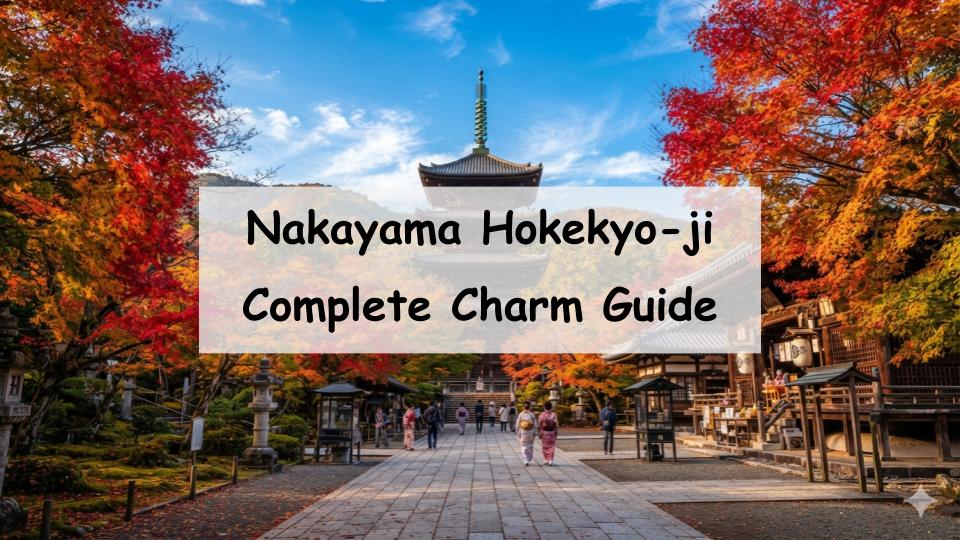
Beyond its architectural heritage, the temple offers impressive natural surroundings. Cherry blossoms frame the approach in spring, while lush green foliage provides shade during the summer. Autumn brings vibrant maple leaves that contrast sharply with the historic wooden buildings. Each season offers a distinct visual appeal.
Must-See Highlights at Nakayama Hokekyo-ji
Soshido (Founder’s Hall) — National Important Cultural Property
Standing prominently in the center of the complex, the Soshido is an impressive wooden structure designated as a National Important Cultural Property. It features a rare Hiyoku-Irimoya-zukuri (double gable) roof design. Inside, a statue of Nichiren Shonin is enshrined, serving as a primary location for visitors to pay their respects.
The Historic Five-Story Pagoda
Donated by Maeda Toshimitsu, lord of the Kaga Domain, this five-story pagoda is another National Important Cultural Property. Its red-painted finish and traditional joinery work stand out vividly against the surrounding greenery. It remains a rare and valuable example of early Edo-period architecture in Chiba Prefecture.
Akamon (The Red Gate)
Along the main approach sits the bright red Akamon (Akamon Yonashikimon), also designated as an Important Cultural Property. Its sturdy four-legged structure and vivid vermilion color make it a popular spot for photography against the backdrop of trees and sky.
Ryu-o Pond and the Quiet Hokke-do
Tucked deeper into the grounds lie the serene Ryu-o Pond and the Hokke-do hall. The quiet area around the pond offers a calm atmosphere reflecting the surrounding trees on the water’s surface. The adjacent Hokke-do marks one of the earliest construction sites of the complex, carrying a quiet sense of historical origin.
Seasonal Events and Best Times to Visit
- Spring: Cherry blossom trees along the main path bloom fully, forming a pink canopy that attracts local visitors and sightseers.
- Autumn: Maple and ginkgo trees turn red and gold. Nighttime illuminations are occasionally held during peak foliage season, casting a dramatic light over the Soshido and Five-Story Pagoda.
- Winter: The temple is popular for Hatsumode (New Year’s visits). On February 10th, crowds gather for Gyoman, the final day of the 100-day ascetic training, to witness the monks complete their ritual.
Getting to Nakayama Hokekyo-ji
By Train
From Keisei-Nakayama Station (Keisei Main Line)
- Walking time: Approx. 5 minutes
- Route: Exit the station directly onto the traditional temple approach (Sando) and walk straight past local shops toward the main entrance.
From Shimosa-Nakayama Station (JR Sobu Line)
- Walking time: Approx. 10 minutes
- Route: Exit through the North Exit and follow the straight shop-lined approach road through the Kuromon (Black Gate) and Akamon (Red Gate) directly to the temple.
By Car and Parking
Drivers can access the area via the Baraki IC or Ichikawa IC on the Keiyo Road. Visitor parking is available near the temple grounds. However, parking fills up quickly during New Year’s, peak cherry blossom season, and the February Gyoman event, so using public transportation during peak periods is recommended.
Nearby Attractions and Walking Routes
Exploring the Retro Atmosphere of Nakayama Sando
The approach leading from the train stations retains a classic, old-town atmosphere. Visitors can browse small shops selling traditional Japanese sweets, fresh rice crackers (senbei), and local snacks, or rest at small cafes along the route.
Exploring Surrounding Historical Sites
Nearby sites include the Okunoin—a quiet location where Nichiren Shonin is said to have delivered his first sermon—and Seika-en, a local garden. Combining a visit to the main temple with these surrounding historical spots provides a comprehensive look at the area’s heritage.
Conclusion
Nakayama Hokekyo-ji offers a blend of Kamakura-period history, designated cultural assets, and tranquil seasonal landscapes right in Ichikawa, Chiba. With easy walking access from nearby train stations, it makes for an ideal day trip or weekend walk for anyone interested in Japanese history and culture.
A Message from the Guide

I love how stepping right off the station puts you straight onto the temple approach—it has such a wonderful atmosphere.

Comment