“I want to visit Yogen-in Temple in Kyoto, but what are its main highlights?”
“I heard you can see the ‘Blood Ceiling’ and works by Tawaraya Sotatsu, but what is the history behind them?”
If you are planning a visit to Yogen-in Temple located in Kyoto’s Higashiyama district, you might be asking yourself these questions.
In short, Yogen-in Temple is a truly special destination that encapsulates dramatic Japanese history and rare cultural treasures—most notably the ‘Blood Ceiling’ from the Battle of Fushimi Castle and dynamic screen paintings by the national treasure artist Tawaraya Sotatsu.
This article covers everything you need to know about Yogen-in, from its historical background and must-see highlights (such as the Blood Ceiling, cedar door paintings, and peaceful gardens) to convenient access information.
Read on to gain the knowledge you need to make the most of your visit to Yogen-in Temple!
- What is Yogen-in Temple? History and Key Historical Figures Explained
- Must-See Highlights and Attractions of Yogen-in Temple
- The “Blood Ceiling”: Preserving the Relics of Fushimi Castle
- Masterpieces by Tawaraya Sotatsu: Innovative Cedar Door Paintings (White Elephant, Lions, and Kirin)
- Gorgeous Gold Leaf Screen Paintings by Kano Sanraku (Peony Room)
- The “Mitsuba Aoi” Crest of the Tokugawa Clan and Memorial Tablets
- A Quiet Garden Enjoyed Across the Four Seasons
- Visiting Etiquette and Important Notes for Yogen-in Temple
- How to Get to Yogen-in Temple & Basic Visitor Information
- Recommended Nearby Sightseeing Spots to Visit Together
- Conclusion: Experience the Deep History and Art of Kyoto at Yogen-in
- A Message from the Guide
What is Yogen-in Temple? History and Key Historical Figures Explained
Yogen-in is a temple of the Jodo Shinshu Yuko-in sect located in Higashiyama-ku, Kyoto City. It strongly retains the intense history of Japan’s turbulent Sengoku (Warring States) period and early Edo period. The temple has deep ties to influential figures such as Toyotomi Hideyoshi, Tokugawa Ieyasu, and prominent women who lived through these historical eras. Understanding these layered historical events makes visiting the temple grounds a much more meaningful experience.
The History of Yogen-in and Its Deep Connection to Asai Nagamasa and Oeyo (Sugen-in)
Yogen-in was founded in 1594 by Yodo-dono (Chacha), a concubine of Toyotomi Hideyoshi, to commemorate the 21st anniversary of the death of her father, Asai Nagamasa. The temple name “Yogen-in” was derived from Nagamasa’s Buddhist posthumous name. Although the original structure was destroyed by fire, it was rebuilt in 1621 at the request of Oeyo (Sugen-in), Yodo-dono’s younger sister and the wife of the second Tokugawa Shogun, Hidetada. As a place filled with the history and emotions of the famous Asai Three Sisters, it continues to attract many history enthusiasts today.
The Origin of the “Blood Ceiling” Honoring Torii Mototada and His Loyal Warriors
When Yogen-in was rebuilt, the memory of the bloody Battle of Fushimi Castle—a key prelude to the famous Battle of Sekigahara in 1600—was deeply engraved into its architecture. During the siege, Tokugawa retainer Torii Mototada and his loyal soldiers fought heroically and committed ritual suicide when overwhelmed by the opposing forces led by Ishida Mitsunari. The bloody floorboards where these samurai died were later relocated to Yogen-in to serve as ceiling panels, honoring their bravery and comforting their spirits. This marked the origin of the temple’s famous “Blood Ceiling.”

Must-See Highlights and Attractions of Yogen-in Temple
Beyond its solemn historical relics, Yogen-in houses extraordinary artistic masterpieces from Japanese history and offers a serene, meditative space. Here are the key attractions you should not miss during your visit.
The “Blood Ceiling”: Preserving the Relics of Fushimi Castle
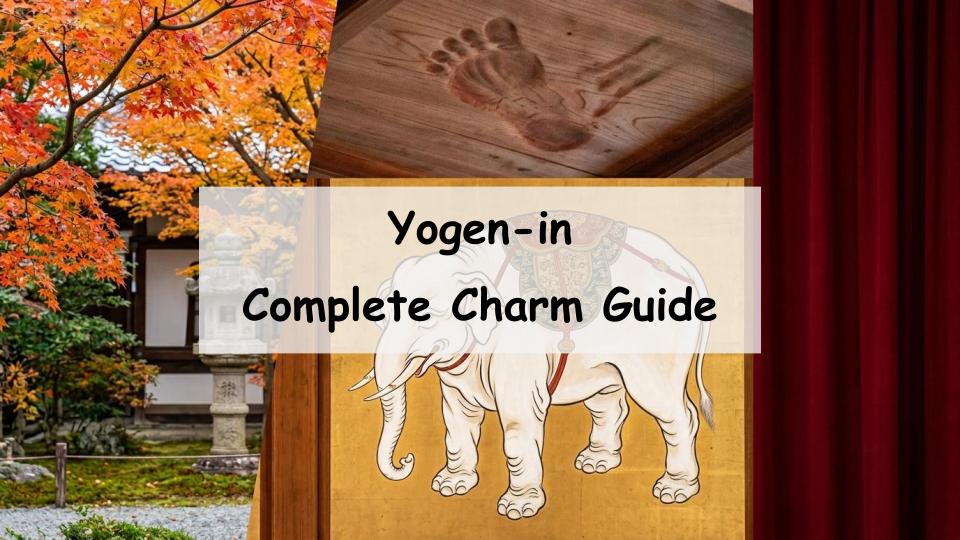
Looking up at the main hall’s ceiling, you can still clearly see the tragic traces left by the samurai who died at Fushimi Castle. Traces of handprints, footprints, and armor impressions remain visible—a vivid and poignant reminder of the weight of Japanese samurai history. Created to eternally repose the souls of the warriors who sacrificed their lives for the Tokugawa clan, it remains the most iconic feature of Yogen-in.
Masterpieces by Tawaraya Sotatsu: Innovative Cedar Door Paintings (White Elephant, Lions, and Kirin)
The most famous artwork in Yogen-in consists of the sliding cedar door paintings created by the master artist Tawaraya Sotatsu. These works were commissioned to soften the somber atmosphere created by the Blood Ceiling and to soothe the spirits of the fallen warriors. The “White Elephant” (Hakuzou-zu) is particularly famous for its charming, rounded, and dynamically composed design that leaves an unforgettable impression. Visitors can also admire other groundbreaking masterpieces showcasing Sotatsu’s free-spirited sensitivity, including depictions of Chinese lions (Karashishi) and mythical creatures (Kirin).
Gorgeous Gold Leaf Screen Paintings by Kano Sanraku (Peony Room)
Adorning the “Peony Room” inside the main hall are opulent gold leaf screen paintings created by Kano Sanraku, a master of the Kano school. Vibrant peonies bloom against a lavish backdrop covered in gold leaf. Reflecting the grandeur appropriate for a temple under the protection of the Tokugawa Shogunate, these works exude a heavy, regal beauty that contrasts wonderfully with Tawaraya Sotatsu’s vibrant door paintings.
The “Mitsuba Aoi” Crest of the Tokugawa Clan and Memorial Tablets
Because it was rebuilt by Oeyo, wife of Tokugawa Hidetada, Yogen-in also served as a family temple for the Tokugawa clan. The famous “Mitsuba Aoi” (three-leaf hollyhock) family crest can be seen throughout the main hall, where memorial tablets of successive shoguns and individuals associated with the Tokugawa family are lined up. Visiting here offers a rare glimpse into a space where the complex histories of both the Toyotomi and Tokugawa clans intersect.
A Quiet Garden Enjoyed Across the Four Seasons
After admiring the magnificent architecture and art, take a stroll through the peaceful garden on the temple grounds. The surroundings offer fresh, vibrant greenery in spring and brilliant foliage in autumn, revealing a different picturesque scenery with every season. It provides a quiet, authentic Kyoto atmosphere away from the bustle of major tourist crowds.


Visiting Etiquette and Important Notes for Yogen-in Temple
Because Yogen-in houses extremely valuable cultural treasures, visitors should keep a few rules and tips in mind to ensure a smooth and respectful experience.
Photography Prohibitions and Temple Rules
Photography is strictly prohibited inside the main hall, including images of the Blood Ceiling, Tawaraya Sotatsu’s cedar doors, and Kano Sanraku’s screen paintings. These rules exist to protect cultural assets and maintain a respectful environment for visitors. Please refrain from using cameras or smartphones indoors and focus on taking in the atmosphere with your own eyes.
Key Points for Listening to the Audio/Guide Explanations
One unique aspect of visiting Yogen-in is the detailed explanations provided through recorded audio guides or temple guides during your tour. They explain the story behind the Blood Ceiling, point out where specific marks are located on the ceiling, and provide fascinating context for Tawaraya Sotatsu’s artwork. Listening closely to these guides will greatly enhance your understanding and appreciation of the temple.
How to Get to Yogen-in Temple & Basic Visitor Information
Yogen-in is conveniently located in a major sightseeing area of Kyoto, making it easily accessible for travelers. Check the route details and basic visitor information below before heading out.
How to Get There by Train or Bus (Routes from Kyoto Station & Gion)
If traveling by train, the temple is about a 7-minute walk from Shichijo Station on the Keihan Main Line. From JR Kyoto Station, take Kyoto City Bus #206 or #208 and get off at the “Hakubutsukan Sanjusangendo-mae” bus stop, from which the temple is just a 3-minute walk. It is also accessible via a direct bus ride from the Gion area, making it very easy to fit into your Kyoto itinerary.
Basic Visitor Information (Hours, Admission, and Holidays)
Standard visiting hours are generally from 9:00 AM to 4:00 PM. Be sure to arrive early enough to allow time for admission before closing. The admission fee is around 600 yen for adults. Hours and availability may change unexpectedly due to religious services or events, so checking the schedule in advance is recommended.
Recommended Nearby Sightseeing Spots to Visit Together
Yogen-in is surrounded by several of Kyoto’s most famous attractions. Located within easy walking distance, they are great spots to include in a combined itinerary.
Sanjusangendo Temple (A Short Walk Away)
Located right next to Yogen-in, Sanjusangendo is world-famous for its main hall housing 1,001 life-sized statues of the Thousand-Armed Kannon. Walking through the long hall lined with golden statues is an overwhelming experience that should not be missed when visiting the area.
Kyoto National Museum (Within Walking Distance)
Situated just a short walk from Yogen-in, the Kyoto National Museum is one of Japan’s premier museums, displaying numerous National Treasures and Important Cultural Properties related to Kyoto’s rich history and culture. It hosts outstanding special and permanent exhibitions that are a must-see for art and history lovers.
Chishaku-in Temple (Within Walking Distance)
Chishaku-in is the grand head temple of the Chizan sect of Shingon Buddhism. Key highlights include National Treasure screen paintings created by Hasegawa Tohaku and his school, as well as a scenic designated garden. Located just a short stroll from Yogen-in, it allows visitors to enjoy exquisite Japanese art and garden design in a quiet, relaxed setting.
Conclusion: Experience the Deep History and Art of Kyoto at Yogen-in
Yogen-in Temple is a special sanctuary imbued with the memories of influential figures from the Warring States period—such as Asai Nagamasa, Yodo-dono, and Oeyo—and the dramatic history of the Battle of Fushimi Castle.
From the Blood Ceiling that honors Torii Mototada and his samurai to the dynamic White Elephant painted by Tawaraya Sotatsu, it is packed with unique historical heritage and artistic treasures you cannot see anywhere else.
With easy access from Kyoto Station and Gion, it pairs perfectly with nearby attractions like Sanjusangendo and the Kyoto National Museum. On your next trip to Kyoto, be sure to visit Yogen-in Temple to experience the depth of Japanese history and world-class traditional art!
A Message from the Guide
Yogen-in is certainly a wonderful temple with many highlights, but there are so many other famous temples around it that one day is simply not enough.

Comment