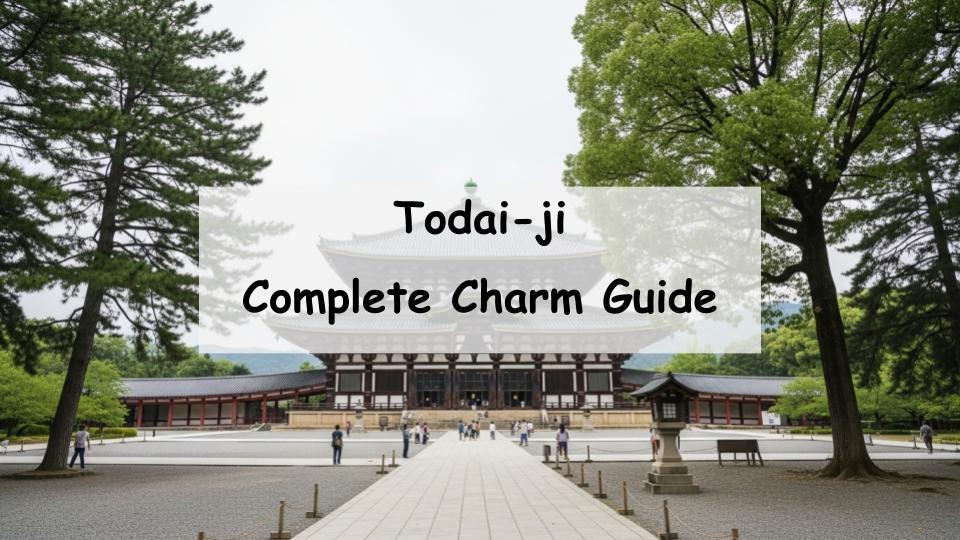
When people think of Nara, Todaiji Temple—one of Japan’s most celebrated UNESCO World Heritage sites—is usually at the top of the list.
While it is famous for drawing large crowds of tourists and friendly local deer throughout the day, visiting during the early morning hours reveals a completely different side of this sacred landmark.
Staying at a hotel nearby during late July, I took full advantage of the location to visit Todaiji right after opening. Walking through the quiet grounds in the fresh morning air, gazing up at the colossal Great Buddha without rushing, was an unforgettable experience.
Here is my personal travel log, featuring insights for fellow statue enthusiasts and essential guide information for your visit!
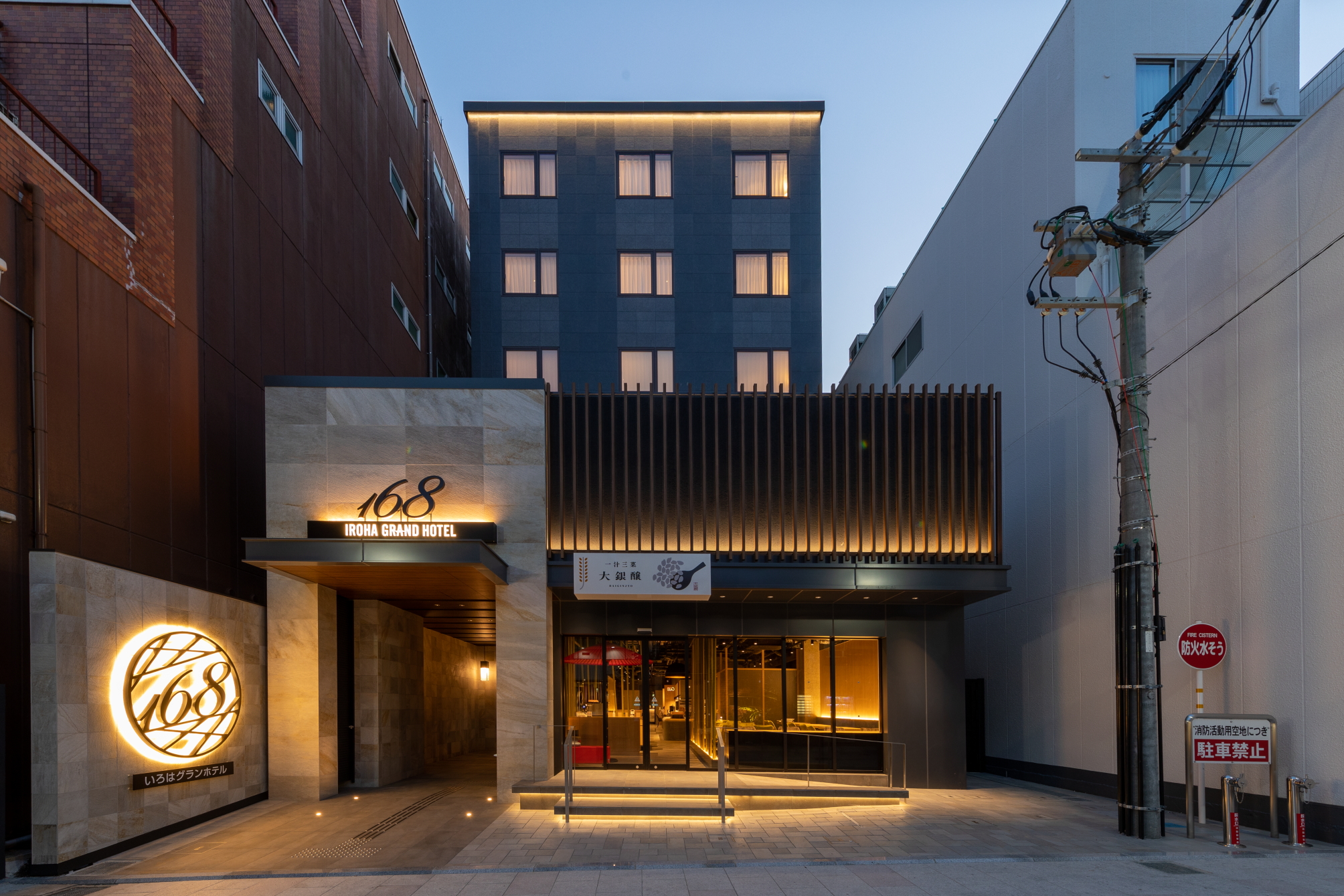
By the way, I stayed here myself.
[Personal Experience] Quiet Mornings & Essential Summer Tips
Walking to the temple from my hotel in the early morning was extraordinarily peaceful.
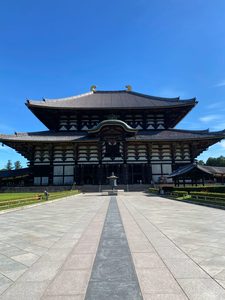
Normally bustling with visitors and school groups, the approach and the main courtyard were virtually empty. This allowed me to take clear, striking photos of the Daibutsuden (Great Buddha Hall) set against the bright morning sky.
⚠️ Crucial Tip for Summer Visitors
Even early in the morning during late July, the heat can be intense. The vast grounds of Todaiji offer very little shade once you enter the main plaza, so sun protection (hat, sunscreen, or UV umbrella) and frequent hydration are absolute musts to avoid heatstroke!
[The Beauty of Buddhist Statues] Meeting the Great Buddha and Surrounding Guardians
Stepping inside the dim, cool interior of the Daibutsuden, you are immediately confronted by the awe-inspiring presence of the main deity: Rushana Butsu, universally known as the Nara Daibutsu (Great Buddha).
The Overwhelming Scale of the Great Buddha
Reaching an astounding height of nearly 15 meters (50 feet), the Great Buddha never fails to leave visitors speechless. Consecrated by Emperor Shomu in the 8th century, this bronze statue represents the cosmic Buddha. Seated in meditation, its raised right hand symbolizes reassurance and freedom from fear, while the open left hand offers blessings and fulfills desires.
Don’t Miss the Magnificent Attendant Statues!
For statue lovers, the magic of Todaiji extends far beyond the main Buddha. Surrounding the Great Buddha are several magnificent statues that deserve equal attention:
- Kokuzo Bosatsu & Kannon Bosatsu: Gilded wooden statues seated on either side of the Great Buddha. Standing over 7 meters (23 feet) tall, these Edo-period masterpieces feature delicate facial expressions and intricate craftsmanship.
- Komokuten & Tamonten (Heavenly Kings): Located toward the back of the hall, these towering wooden statues of warrior guardians boast fierce expressions, muscular details, and dramatic armor.
Walking a full circle around the Great Buddha Hall to appreciate these surrounding statues up close is one of the most rewarding parts of the visit.

[Must-See Highlights] Architecture and Sacred Grounds
Beyond the main hall, Todaiji features several architectural and cultural wonders:
1. The Great Buddha Hall (Daibutsuden)
Rebuilt in 1709 during the Edo period, this structure is one of the largest wooden buildings in the world. Spanning nearly 57 meters in width, its grand timber frame construction is a marvel of traditional Japanese engineering.
2. Nandaimon Gate & The Nio Guardians
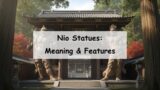
At the temple entrance stands the monumental Nandaimon (Great South Gate). Housing two famous Nio Guardian Statues sculpted by master artists Unkei and Kaikei in the 13th century, their dynamic muscles and intense countenances are true masterpieces of Japanese sculpture.

3. Nigatsu-do Hall
Perched on a hill overlooking the Nara basin, Nigatsu-do Hall is famous for the annual Omizutori water-drawing ceremony in March. Climbing the stone steps rewards you with a sweeping panoramic view of the city.
[Visitor’s Guide] Hours, Admission & Access
Essential travel information to help you plan your visit:
- Temple Name: Todaiji Temple (東大寺)
- Sect: Kegon Buddhism (Head Temple)
- Address: 406-1 Zoshicho, Nara, 630-8587
- Opening Hours (Great Buddha Hall):
- April – October: 7:30 AM – 5:30 PM
- November – March: 8:00 AM – 5:00 PM (Tip: Arrive right at opening to enjoy the serene atmosphere before tour groups arrive!)
- Admission Fee: Adults (Junior High & above) ¥600 / Primary School Children ¥300
- Getting There:
- On Foot: Approx. 20-minute walk from Kintetsu-Nara Station through Nara Park.
- By Bus: From JR Nara Station or Kintetsu-Nara Station, take the loop bus to “Daibutsuden Kasugataisha-mae” stop (5-minute walk from the stop).
Conclusion: A Timeless Experience in Nara
Experiencing Todaiji Temple in the quiet morning light—gazing up at the majestic Great Buddha and admiring the expressive craftsmanship of its guardians—is a deeply refreshing way to start your day in Nara.
By adjusting your timing to early morning and taking a moment to appreciate the statues beyond the main view, your trip to this historic monument will become infinitely richer.
👉 Check out on Instagram


Comment