
Perched 800 meters above sea level in the mountains of Wakayama, Koyasan is the spiritual heartland of Shingon Esoteric Buddhism. Longing to experience its divine tranquility firsthand, I took a summer drive up the winding mountain roads to visit the revered head temple, Kongobuji.
Founded by Kobo Daishi (Kukai), Koyasan is unique because the entire mountain plateau is considered one giant temple enclosure. I made this pilgrimage hoping to escape the noise of daily life and immerse myself in the profound beauty of Buddhist art and sacred architecture.
Stepping into this mountain sanctuary surpassed all my expectations. The crisp mountain air, the scent of centuries-old cedar trees, and the palpable stillness surrounding the sacred sites created an unforgettable experience. Here is my firsthand account of exploring Kongobuji, along with essential tips for your own visit.
By the way, I stayed at this hotel in Wakayama.

[Personal Experience] Morning Tranquility & the Mystical Atmosphere of Okunoin
My morning began at 9:00 AM on a weekday. The crowds had not yet arrived, leaving the temple grounds wrapped in a peaceful hush. Sunlight filtered through tall cedar branches, casting soft shadows across the quiet paths. Walking through the gate in that cool morning air, I felt an immediate sense of reverence.
The first thing that strikes you about Koyasan is just how vast the grounds are.
Because the area covers a wide expanse, traveling by car turned out to be an excellent decision. Free and paid parking lots are conveniently scattered near major areas, making it easy to drive from one spot to another without burning through all your energy walking along busy roads.
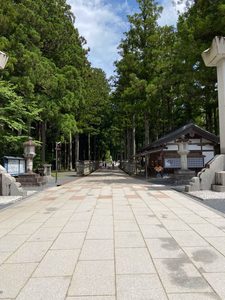
The absolute highlight of the trip was visiting Okunoin, the most sacred area on the mountain. The 2-kilometer path leading from Ichi-no-hashi Bridge to Kobo Daishi’s Mausoleum winds through ancient cedar trees and over 200,000 moss-covered tombstones and monuments. Walking among these giant trees in the morning light, ambient sounds faded away, leaving an eerie yet comforting silence. It holds a powerful, sacred atmosphere unlike any other temple I have ever visited in Japan.
💡 Real Visitor Tip
While walking around the mountain and through Okunoin is completely free, entering individual historic halls—such as the Kongobuji Main Temple, Reihokan Museum, or nearby sub-temples—requires a separate entrance fee for each building. It helps to keep a bit of extra cash handy or prioritize the specific halls you wish to enter beforehand!
[Buddhist Art & Statues] Standing in Awe Before Esoteric Masterpieces
For lovers of Buddhist statues and iconography, Koyasan is a treasure trove.
Exploring the main halls of Kongobuji and nearby structures, you are confronted with powerful, highly expressive Buddhist images characteristic of Esoteric tradition. From fierce wrathful deities to serene, compassionate Buddhas, every statue carries centuries of history and prayer within its wood grain and detailed craftsmanship.
If you appreciate sacred sculpture, be sure to visit the Koyasan Reihokan Museum and the Danjo Garan complex near Kongobuji. These areas house countless National Treasures and Important Cultural Properties. Inside the iconic Great Stupa (Konpon Daito) at Danjo Garan, you will find a magnificent, golden statue of Dainichi Nyorai surrounded by four accompanying Buddhas. Standing beneath these imposing statues in the dim temple interior evokes a breathtaking sense of wonder that stays with you long after you leave.

[Highlight Guide] Architectural Treasures & Temple Spots
As the head temple of Shingon Buddhism, Kongobuji offers remarkable historical and architectural sights across its grounds.
The Main Temple Hall & Tensui-oke (Rainwater Barrels)
The main building of Kongobuji is a massive wooden structure measuring 60 meters east-to-west and 70 meters north-to-south. On its bark-thatched roof, you will spot large wooden water barrels known as Tensui-oke. Historically, these barrels collected rainwater so monks could climb onto the roof and douse sparks in case of a nearby fire—a fascinating architectural detail preserving these wooden heritage structures.
Banryutei: Japan’s Largest Rock Garden
Located inside the main complex, Banryutei is the largest rock garden in Japan, spanning 2,340 square meters. Its white sand and granite rocks depict a pair of dragons emerging from a sea of clouds to protect the temple. Sitting quietly on the wooden veranda overlooking this expansive garden is a deeply calming experience.

Danjo Garan: The Sacred Heart of Koyasan
Danjo Garan is one of the primary sacred areas originally opened by Kobo Daishi. Highlights include the vibrant 48-meter-tall Konpon Daito (Great Central Stupa) and Fudo-do, an elegant wooden hall that stands as one of the oldest surviving structures on the mountain and a designated National Treasure.
[Essential Visitor Guide] Sect, Hours, Fees, & Access
Here is a quick reference table of essential details to help plan your visit.
| Item | Details |
| Temple Name | Koyasan Kongobuji (高野山金剛峯寺) |
| Sect | Head Temple of Koyasan Shingon Buddhism |
| Opening Hours | 8:30 AM – 5:00 PM (Last admission at 4:30 PM) |
| Admission Fee (Main Temple) | Adults (Junior High & above): ¥1,000 / Children (Elementary): ¥300 / Infants: Free Note: Walking through Okunoin and open temple grounds is free. Separate fees apply for museums and specific building interiors. |
| Access by Car | Approx. 45 minutes from Kihoku-Katsuragi IC via Route 480. Multiple parking lots are available throughout Koyasan for easy navigation between sites. |
| Access by Public Transit | Take the Nankai Koya Line to Gokurakubashi Station, transfer to the Koyasan Cable Car to Koyasan Station, then take the Nankai Rinkan Bus to “Kongobuji-mae” bus stop. |
Conclusion
From the cool, misty air of an early morning walk to the grand scale of its rock gardens and majestic Buddhist statues, visiting Koyasan Kongobuji in summer offers a true retreat for the mind and soul.
Whether you travel by train or take advantage of driving between parking locations across the plateau, arriving early in the day allows you to experience this sacred mountain at its most peaceful. If you wish to experience Japan’s rich spiritual heritage surrounded by nature, Koyasan should be at the very top of your travel list.
👉 Check out on Instagram



Comment