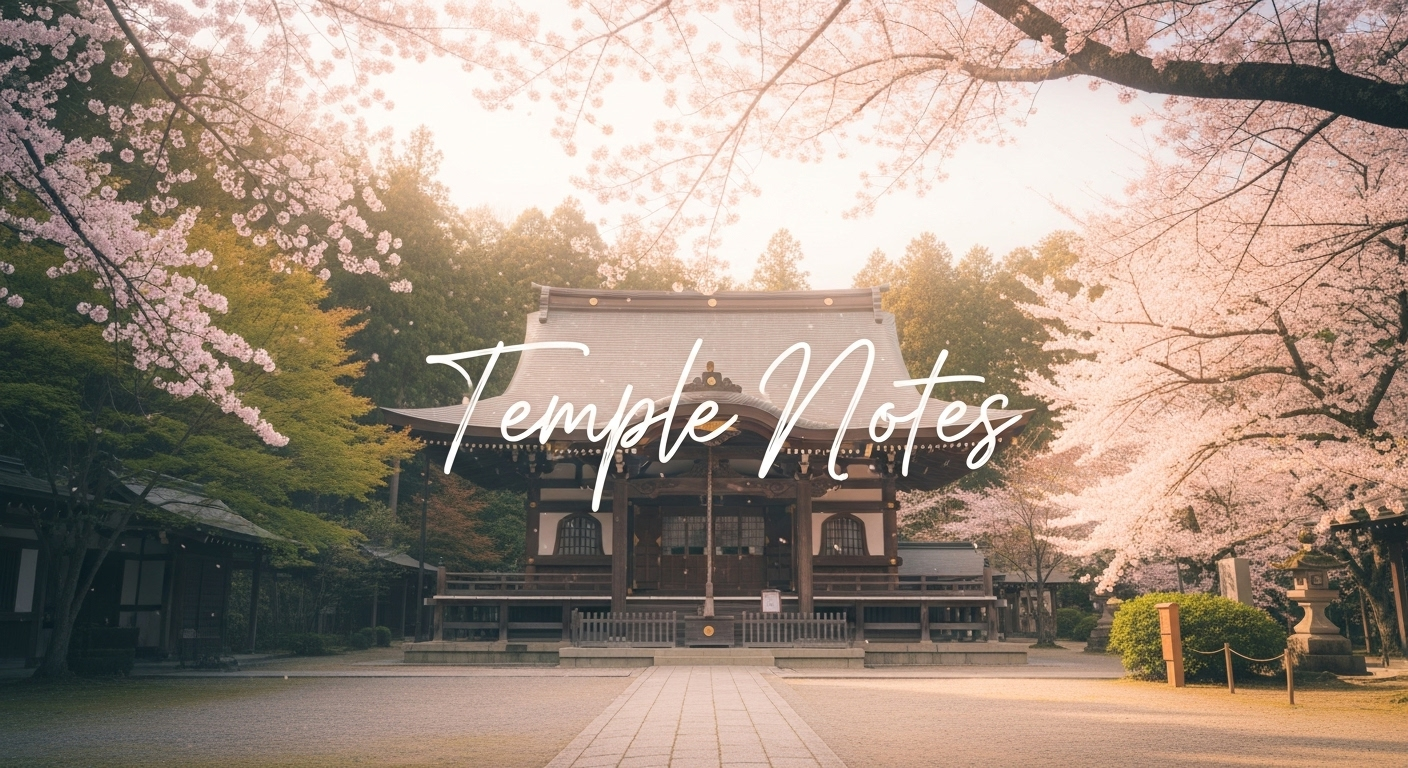

If you are planning a trip to the northern part of the main island of Okinawa, you might be interested in visiting Kin Kannonji Temple, a historic temple known for its deep cultural roots.
For those wondering about its history, unique features, main highlights, and how to get there, this article introduces the appeal of Kin Kannonji Temple in a clear and easy-to-understand manner.
As one of the few precious wooden structures to have survived the Battle of Okinawa, the temple holds a unique history closely tied to the Nisshudo Limestone Cave located on its grounds.
Please use this guide as a reference to help plan your visit to this serene and historic site.
- What is Kin Kannonji Temple? History and Overview
- Charming Highlights of Kin Kannonji Temple
- Goshuin Stamp and Worship Information for Kin Kannonji Temple
- How to Get to Kin Kannonji Temple (Access) and Parking
- Points to Note When Visiting the Temple and Cave
- Recommended Nearby Places to Visit
- Conclusion
- A Message from the Guide
What is Kin Kannonji Temple? History and Overview
A Precious Wooden Temple Main Hall Survived the Battle of Okinawa
During the fierce ground battles of World War II, many historic wooden structures across Okinawa were unfortunately lost. However, the main hall of Kin Kannonji Temple miraculously escaped destruction, making it one of the very few surviving pre-war wooden buildings on the island. It stands today as an invaluable example of traditional Okinawan wooden architecture from the pre-war era, having weathered turbulent times. The quiet, dignified atmosphere of the temple grounds, combined with the historic architecture, offers visitors a quiet moment to reflect on the region’s resilient past.
History of Founding and the Founder, Priest Nisshu Shonin
The origin of Kin Kannonji Temple dates back to 1522, during the late Muromachi period. The temple was founded by Nisshu Shonin, a Buddhist monk of the Jodo sect who underwent rigorous training at Mount Koya. He arrived at the shores of Kin Bay after a perilous spiritual voyage known as Fudaraku Tokai, where monks set out to sea in search of a Buddhist paradise. Settling in this area, Nisshu Shonin is said to have helped the local people through spiritual healing and established this temple as a center for spreading Buddhist teachings. Since then, the temple has been deeply revered by local residents and carefully preserved through the generations.
Charming Highlights of Kin Kannonji Temple
The Mysterious Atmosphere of Nisshudo Limestone Cave
Deep within the grounds of Kin Kannonji Temple lies a passage leading underground to a mysterious limestone cave. Known as Nisshudo, this cave has been treated as a sacred place of worship since ancient times. Stepping inside, the air immediately shifts from the humid tropical warmth outside to a cool, quiet stillness. Natural stalactites and stalagmites, formed over countless years, stretch across the cave, making it a major highlight that should not be missed during your visit to the temple.
The Kannon Statue and the Legend of the Giant Serpent
Inside Nisshudo Cave, several Buddhist and local deities, including a statue of Kannon, are enshrined, serving as a quiet place of prayer for the local community. The cave is also home to a local legend involving a giant serpent that once troubled the villagers. According to the tale, Nisshu Shonin used his spiritual powers and Buddhist chants to subdue and seal the serpent deep within the earth. This mixture of folklore and spiritual history adds a layer of mystery to the cave, inviting visitors to experience the local lore firsthand.
Awamori Ageing Cellar Inside the Limestone Cave
Continuing deeper into Nisshudo Cave, you will find rows of traditional clay pots and bottles of Awamori, Okinawa’s traditional distilled liquor. This area serves as a unique ageing cellar, taking advantage of the cave’s naturally stable temperature and humidity throughout the year. The locally produced Awamori is left to age quietly in the darkness of the cave, slowly developing into a smooth, matured spirit known as Koshu. Observing these bottles resting under a historic temple is a highly unusual sight unique to Kin Kannonji.
The Main Hall Preserving the Beauty of Traditional Wooden Architecture
The main hall of Kin Kannonji Temple features a beautiful harmony of traditional red-tiled roofing and aged wood. While it has undergone necessary partial repairs over the years, the building still retains much of its pre-war character. Standing before the main hall, visitors often feel as though time slows down. The quiet presence of the structure provides a peaceful space to step away from the bustle of daily life and enjoy a quiet moment of reflection.
Rich Nature and Fukugi Trees Coloring the Temple Grounds
Beyond the historic buildings and the cave, the lush natural environment of the temple grounds is another highly appealing feature. In particular, several large Fukugi trees stand tall within the area. These trees have historically been planted around Okinawan villages to act as natural windbreaks against typhoons. The vibrant green leaves of these mature trees blend beautifully with the historic temple structures, offering a refreshing and peaceful path for a leisurely stroll.
Goshuin Stamp and Worship Information for Kin Kannonji Temple
Goshuin Availability and Worship Hours
For those who collect temple stamps as a memory of their travels, Kin Kannonji Temple offers Goshuin. You can request the stamp at the temple office located on the grounds, where it is carefully handwritten in ink and stamped with traditional red seals. While the temple office and grounds are generally open during the daytime, hours can occasionally vary depending on the season or temple events, so it is recommended to plan your visit with some time to spare.

Admission Fees and Estimated Time Required for Visiting
There is no fixed admission fee to enter the temple grounds or Nisshudo Cave, allowing visitors to explore the site freely. However, as it remains an active place of worship, it is polite to offer a small monetary donation at the main hall or inside the cave to help support the maintenance of the site. A typical visit, including praying at the main hall and walking through the limestone cave, takes about 30 to 45 minutes, allowing you to experience the site at a relaxed pace.
How to Get to Kin Kannonji Temple (Access) and Parking
Access by Car or Rental Car
If you are traveling by car or rental car, which is the most common way to get around Okinawa, using the Okinawa Expressway is the most efficient route from Naha Airport. Take the expressway north and exit at either the Yaka Interchange or the Kin Interchange, from which the temple is a short 5 to 10-minute drive via local roads. The total travel time from central Naha is approximately 50 minutes to an hour, depending on traffic conditions.
Access by Public Transportation (Route Bus)
For travelers relying on public transit, the temple can also be reached by route bus, though it requires a transfer. From the Naha Bus Terminal, you can take an express bus heading north toward Yofuke, then transfer at a major transit stop to a local line heading toward Kin. Alight at the “Kin” or “Kin Kyodo Baiten-mae” bus stop, and the temple entrance will be just a few minutes’ walk away. Because bus services can be limited, checking the timetables in advance is highly recommended.
Parking Availability and Surrounding Conditions
Kin Kannonji Temple provides a small parking area near the entrance for visitors. Since the number of spaces is relatively limited, the lot can occasionally fill up during weekends or peak tourist seasons. If the temple parking lot is full, visitors are advised to use nearby public parking spaces or designated municipal parking lots in Kin Town, keeping in mind to park respectfully and avoid blocking local traffic.
Points to Note When Visiting the Temple and Cave
Comfortable Clothing and Walking Shoes Recommended
When planning to explore Nisshudo Cave, proper footwear and clothing are important. The descent into the cave involves steep concrete stairs, and the pathway inside is continuously damp and can be slippery due to dripping water. Wearing high heels, sandals, or easily slipped-off footwear is not recommended; instead, opt for comfortable sneakers with good grip. Additionally, because the cave interior can feel quite cool compared to the outside heat, having a light jacket on hand can be useful.
Etiquette and Safety Precautions Inside the Cave
Nisshudo Cave is not merely a tourist attraction but a sacred space deeply respected by the local community. Visitors should refrain from speaking in loud voices, eating, drinking, or leaving any trash inside the cave. Furthermore, the natural rock formations mean that some sections have low ceilings where you could easily bump your head. Please watch your step, remain aware of the ceiling height, and explore the space with quiet respect.
Recommended Nearby Places to Visit
Taste the Famous Taco Rice at Its Birthplace
Kin Town, where the temple is located, is famous across Japan as the birthplace of Taco Rice, a beloved Okinawan fusion dish. Near the temple and along the town’s main streets, you will find several local diners, including the original shop that first created the dish. These eateries offer generous portions of seasoned ground beef, cheese, lettuce, and tomatoes over rice. Enjoying a hot plate of authentic Taco Rice after your temple visit is an excellent way to experience the local food culture.
Surrounding Historical Sites and Nature Parks
Kin Town offers several other interesting spots to explore near the temple. A short walk away is Kin Okawa (Ukkaga), a historic freshwater spring that serves as a designated cultural property and offers a cool, shaded spot to relax. For those interested in nature, the nearby Nature Mirai Kan offers opportunities to observe local mangrove forests and river environments, making it easy to create a varied itinerary combining history, food, and nature.
Conclusion
Kin Kannonji Temple offers a quiet look into Okinawa’s history, showcasing a resilient pre-war main hall alongside the quiet, natural wonder of the Nisshudo Limestone Cave. The peaceful flow of time on the temple grounds makes it an ideal spot to experience local spiritual traditions. By planning ahead with regard to safety and local etiquette, you can enjoy a respectful and rewarding visit to this unique destination, complemented by the local flavors and natural beauty that Kin Town has to offer.
A Message from the Guide

Temples with natural limestone caves are quite rare. As the interior is dark, please bring a flashlight and watch your step when entering.


Comment