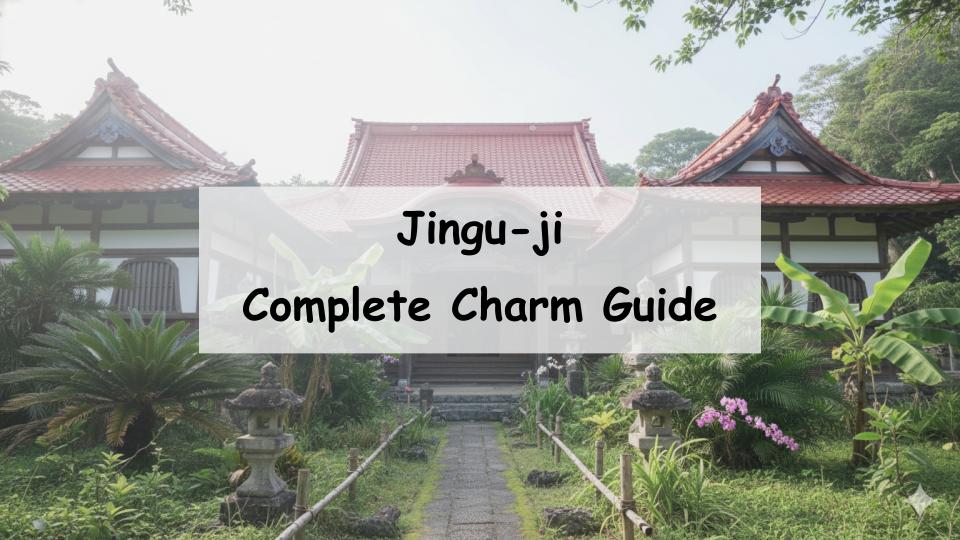
Nestled quietly in Ginowan City, Okinawa, lies “Jinguji Temple.” You may have heard the name, but perhaps you are wondering about its specific history, what there is to see, or how it relates to the adjacent Futenma-gu Shrine.
Simply put, Jinguji is a prestigious temple with roots reaching back to the Ryukyu Kingdom era. It has long been revered as a special spiritual spot, serving as the “Betto-ji” (an administrative temple) for Futenma-gu, one of the Eight Eminent Shrines of Ryukyu. Despite being located in the heart of the city, stepping inside the grounds allows you to experience a tranquil atmosphere and a moment of deep peace.
In this article, we will provide a detailed guide to the history and features of Jinguji, the must-see highlights during your visit, information on “Goshuin” temple seals, and smooth ways to get there. By reading this, you will fully understand the appeal of Jinguji and be able to enjoy a more fulfilling visit.
What is “Jinguji” in Okinawa? Its History and Origins
Located in Ginowan City, Jinguji is officially known as “Futenmazan Jinguji.” It is a temple with an exceptionally long history that has survived the scars of war and continues to be carefully preserved by the local community.
A Prestigious Shingon Buddhist Temple Dating Back to the Ryukyu Kingdom Era
Jinguji belongs to the Daigo branch of Shingon Buddhism. Its founding is said to date back to 1459, and during the Ryukyu Kingdom era, it received significant protection and patronage from the royal government. While many temples in Okinawa were unfortunately destroyed during World War II, the main deity of Jinguji miraculously survived the conflict. Rebuilt after the war through the efforts of the local community, it has restored its solemn and majestic presence.
Deep Connection with “Futenma-gu Shrine” (Role as a Betto-ji)
To speak of Jinguji is to speak of its profound connection with the neighboring Futenma-gu Shrine. In historical Japan, “Betto-ji” were temples established to manage and perform rituals for shrines. Jinguji was built specifically to serve this role for Futenma-gu. Even today, the two institutions share a deep spiritual bond. The sight of a temple and shrine standing side by side is a symbolic landscape of the unique religious history of Okinawa.

A Beloved Local Temple in Ginowan
Beyond its historical background, Jinguji remains a vital part of daily life for the residents of Ginowan. It serves as a destination for traditional New Year visits, daily prayers, and memorial services. It is a warm, community-centered space where you can see locals offering prayers with great devotion.
Highlights of Jinguji Temple: Exploring the Grounds and Must-See Spots
While the grounds are not sprawling, they are filled with significant spots that offer a deep sense of Okinawan Buddhist culture.
The Main Hall (Hondo) Enveloped in a Serene Atmosphere
The Main Hall is a beautiful fusion of traditional Buddhist architecture and Okinawan architectural styles. The primary deity enshrined here is Sho-Kanzeon Bosatsu (the Sacred Kannon). A quiet and solemn air flows from the hall, making it a place where visitors can find a moment of inner stillness.
Valuable Cultural Property: The Wooden Standing Statue of Sho-Kanzeon Bosatsu
The most historically significant treasure of Jinguji is the “Wooden Standing Statue of Sho-Kanzeon Bosatsu,” which is a designated tangible cultural property of Ginowan City. This statue is believed to date back to the Muromachi period (14th-16th century) and is an extremely rare example of wooden sculpture that survived the Battle of Okinawa.
Please note that this statue is a “Hibutsu” (Hidden Buddha), meaning it is traditionally kept in a closed shrine (zushi) and is not on public display. While you may not see it directly, its presence as a symbol of compassion that has watched over the region for centuries adds a profound sanctity to the temple.
Quiet Gardens and Spaces to Calm the Mind
Beautifully maintained gardens surround the Main Hall. Although the temple is located near the busy Route 330, the city’s noise vanishes the moment you step onto the grounds. Listening to the sound of the wind through the trees allows for a refreshing, meditative experience.

Seasonal Flowers and Foliage
Vibrant flowers unique to Okinawa bloom throughout the seasons. From early spring through summer, the deep greenery provides a sense of life and energy, making every visit a different visual experience.

Goshuin and Charms at Jinguji
Characteristics of Goshuin (Temple Seals)
The Goshuin at Jinguji are characterized by powerful calligraphy and beautiful vermillion seals. The center of the seal typically bears the name of the deity or the temple. It is a wonderful stop for avid Goshuin collectors.
Amulets and Talismans
At the temple office, you can find various charms for protection, family safety, and traffic safety. Charms related to the Kannon deity are particularly popular and are chosen both for personal use and as gifts.
Times and Locations
Goshuin and charms can be obtained at the temple office next to the Main Hall, generally from 9:00 AM to 5:00 PM. Please be mindful that times may vary during religious ceremonies.
Access and Basic Information
- By Car: Approximately 40 to 60 minutes from Naha Airport via Route 58 or Route 330. A dedicated parking lot is available for worshippers.
- By Bus: Take bus routes such as No. 23 or No. 25 from Naha and get off at the “Futenma” bus stop. The temple is a 3 to 5-minute walk from the stop.
- Admission: Free
Nearby Sightseeing: Futenma-gu Shrine
Just a few steps away is Futenma-gu, one of the Eight Eminent Shrines of Ryukyu. Visiting both Jinguji and Futenma-gu allows you to experience the history of “Shinbutsu-shugo” (the harmony of Shinto and Buddhism). Don’t miss the mystical Futenma-gu Cave located within the shrine grounds (prior application at the shrine office required).
Conclusion: Experience History and Serenity at Jinguji
Jinguji Temple is a precious site where the history of the Ryukyu Kingdom meets modern daily life. Its historical connection to Futenma-gu and its rare, hidden statue of Sho-Kanzeon Bosatsu offer a deep insight into Okinawan faith. On your next trip to Okinawa, consider visiting this historic sanctuary for a truly calming and cultural experience.
A Message from the Guide
It is a temple deeply rooted in the local community and a wonderful place where the kindness of the chief priest truly shines through.


Comment