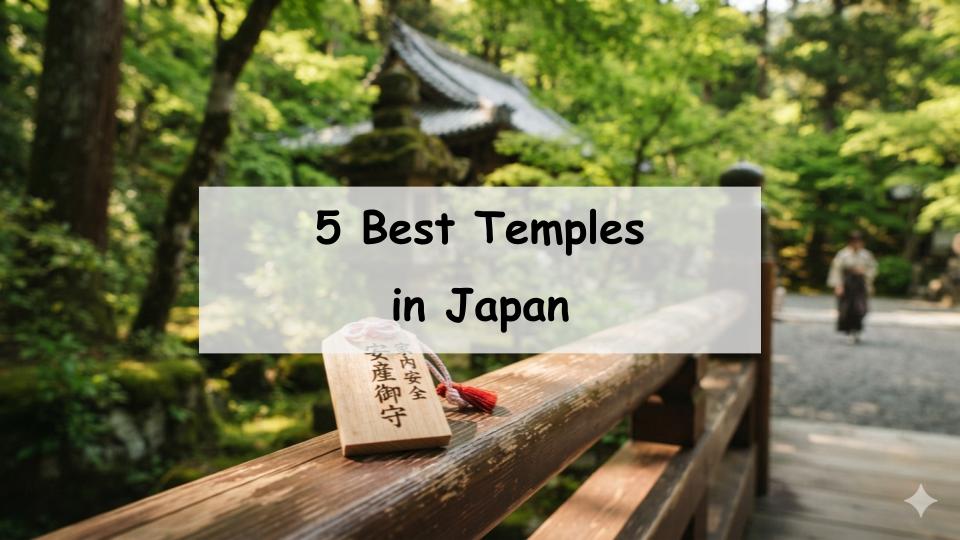
From praying for conception and safe childbirth—such as fertility and easy delivery—to wishing for the well-being and health of your loved ones through family safety and freedom from illness. When you want to visit a temple to celebrate key life milestones or express daily gratitude, you might feel unsure about which temple to choose or the correct etiquette to follow.
To ensure your prayers reach the deities, the key is to choose a temple aligned with your specific wishes and worship with proper decorum.
In this article, we carefully select and introduce 5 recommended temples renowned for their blessings in safe childbirth, fertility, family safety, and good health. Furthermore, we provide a clear guide on temple procedures and basic etiquette so you can pray with peace of mind.
By reading this guide, you will find the ideal temple for your needs and feel fully prepared for your visit. Be sure to check it out until the end.
- Key Points for Choosing a Temple to Pray for Safe Childbirth, Fertility, and Family Safety
- 5 Recommended Temples for Safe Childbirth, Fertility, Family Safety, and Good Health
- For Safe Childbirth & Fertility: Nakayama Hokekyo-ji Temple (Chiba Prefecture)
- For Safe Childbirth & Good Health: Gokoku-ji Temple (Tokyo)
- For Fertility & Family Safety: Hase-dera Temple (Kanagawa Prefecture)
- For Family Safety & Good Health: Senso-ji Temple (Tokyo)
- For Safe Delivery, Fertility & Family Safety: Nakayama-dera Temple (Hyogo Prefecture)
- Basic Etiquette and Steps for Visiting a Temple
- Frequently Asked Questions (FAQ)
- Conclusion: Receive Blessings through Peaceful and Mindful Worship
Key Points for Choosing a Temple to Pray for Safe Childbirth, Fertility, and Family Safety
When selecting a temple to pray for safe childbirth, fertility, or family safety, it is essential to ensure the place aligns with your personal intentions. While there are numerous temples across Japan, the main deities enshrined and the physical surroundings vary greatly. Here are three critical factors to check before deciding on your destination.
1. Check the Principal Image and Its Specific Blessings (Kishimojin, Kannon Bosatsu, etc.)
Each temple enshrines a different principal deity, offering distinct spiritual blessings. These range from Kishimojin, who guards children and mothers, to Kannon Bosatsu, who hears people’s prayers with deep compassion, and Jizo Bosatsu, who oversees the healthy growth of children. Considering what you most wish to pray for and choosing a temple dedicated to that specific deity allows for a more meaningful prayer experience.
2. Availability of Special Prayers and Amulets (Safe Childbirth Charms, Dog Day Prayers)
It is also important to verify whether the temple conducts individual or group prayer rituals and whether special items—such as dedicated charms (omamori) or maternity belts (haraobi)—are provided. Some temples offer special blessing services tied to the “Day of the Dog” (Inu no Hi). Checking whether advance reservations are required or if walk-ins are accepted helps ensure a smooth visit.
3. Temple Environment and Accessibility (Consideration for Expectant Mothers and Families)
When visiting with pregnant family members or small children, ease of walking and convenient access are paramount. Check in advance whether the grounds have long stone staircases or steep slopes, and whether amenities like resting benches or ramps are available so you can pray comfortably without physical strain.
5 Recommended Temples for Safe Childbirth, Fertility, Family Safety, and Good Health
Here are 5 carefully selected temples highly recommended for praying for safe childbirth, fertility, and the overall health and safety of your family.
For Safe Childbirth & Fertility: Nakayama Hokekyo-ji Temple (Chiba Prefecture)
Located in Ichikawa City, Chiba Prefecture, Nakayama Hokekyo-ji is the head temple of the Nichiren sect and a historical site visited by many worshippers over centuries. You can offer your prayers within a dignified atmosphere.
A Renowned Temple for Safe Childbirth and Fertility Enshrining Koyasu Kishimojin
Nakayama Hokekyo-ji enshrines Kishimojin, revered as a guardian deity for mothers and children. Visitors seeking blessings for fertility and safe childbirth travel from all over Japan, filling the temple grounds with a sacred atmosphere. It serves as a reassuring place of worship for couples wishing for child blessing or a smooth delivery.
For Safe Childbirth & Good Health: Gokoku-ji Temple (Tokyo)
Situated in Bunkyo Ward, Tokyo, Gokoku-ji was established in the Edo period by the order of Keishoin, mother of the fifth Tokugawa shogun, Tsunayoshi. Despite its central Tokyo location, it is surrounded by lush greenery, offering a serene space to pray.
Tokugawa History and the Deities of Child-Rearing and Safe Delivery
The main statue at Gokoku-ji, Nyoirin Kannon Bosatsu, is celebrated for blessings in safe delivery, conception, and child rearing. Visitors can receive formal prayer services amid historic Edo architecture, making it popular among families praying for good health and safety.
For Fertility & Family Safety: Hase-dera Temple (Kanagawa Prefecture)
Famous as one of Kamakura’s prominent temples, Hase-dera is renowned for its beautiful grounds where flowers bloom in all four seasons. Located on high ground, it offers sweeping views of Kamakura’s streets and the ocean, refreshing your mind as you pray.
Strengthening Family Bonds at the “Kakigara Kannon” and Fertility Prayer Grounds
Hase-dera enshrines Eleven-Headed Kannon Bosatsu, believed to save people from suffering with boundless affection. The grounds feature various spots and Jizo statues dedicated to safe childbirth and fertility, making it an ideal, warm setting for couples wishing for future happiness.

For Family Safety & Good Health: Senso-ji Temple (Tokyo)
Located in Taito Ward, Tokyo, Senso-ji is Tokyo’s oldest temple and a globally famous landmark. The approach leading from Kaminarimon Gate through the Nakamise shopping street toward the Main Hall is vibrant and full of energy.
Praying for Family Peace and Health with Shoki Kannon Bosatsu
The primary deity of Senso-ji, Shoki Kannon Bosatsu, is a compassionate figure believed to relieve suffering and fulfill human wishes. Renowned for protecting family safety and ensuring health, countless visitors gather daily to waft incense smoke over themselves and pray for their loved ones’ health.
For Safe Delivery, Fertility & Family Safety: Nakayama-dera Temple (Hyogo Prefecture)
Located in Takarazuka City, Hyogo Prefecture, Nakayama-dera is said to be Japan’s first Kannon pilgrimage site established by Prince Shotoku, and is nationwide renowned as the head temple for safe childbirth prayers.
A Sacred Site for Safe Childbirth, Fertility, and Family Peace Prayed at by Historical Figures
The primary deity of Nakayama-dera, the Eleven-Headed Kannon Bosatsu, is deeply revered for blessings in safe delivery and fertility, attracting historically famous figures such as Toyotomi Hideyoshi. The temple grounds are well-equipped with accessible features like escalators and ramps, ensuring that expectant mothers and families with small children can visit comfortably to pray for family health and peace.
Basic Etiquette and Steps for Visiting a Temple
Worshipping at a Buddhist temple involves etiquette different from visiting a Shinto shrine. Here is a review of basic steps and manners to show proper respect to the deities.
Bowing at the Temple Gate and Cleansing at the Chozuya
The main gate (Sanmon) marks the boundary separating the secular world from the sacred realm of the Buddha. Before passing through, perform a light bow and step over the threshold rather than stepping on it. Proceed along the path to the water pavilion (Chozuya), use the ladle to rinse your left and right hands, and rinse your mouth to purify mind and body.
Proper Worship Etiquette at the Main Hall (Bow, Palms Together, Bow)
Upon arriving at the Main Hall (Hondo), offer a slight bow. Quietly place a small coin into the offering box, and if a bell or gong (Waniguchi) is present, ring it gently. Next, bring your palms together in front of your chest in silent prayer (Gassho). Unlike at Shinto shrines, do not clap your hands at a Buddhist temple. After concluding your prayer, finish with a deep bow.
Attire and Standard Fees for Formal Prayer Rituals
If you enter the hall to undergo a formal prayer ceremony (Kitou), wear neat, formal-leaning attire. Avoid overly casual clothing or excessive skin exposure. The average fee (Hatsuhosho or Kitouriu) ranges between 5,000 yen and 10,000 yen, which should be presented in a dedicated envelope (Noshibukuro).
Appropriate Outerwear and Footwear for Expectant Mothers
When visiting while pregnant, prioritizing comfort and health is essential. Wear flat, comfortable sneakers or low-heeled shoes to prevent trips or falls on stone paths and stairs. Bringing easily adjustable layers or outerwear to protect against cold weather ensures a safe visit.
Frequently Asked Questions (FAQ)
Here are common questions answered regarding visits for safe delivery and fertility prayers.
Q. What is the best timing to visit (such as the Day of the Dog)?
Prayers for safe childbirth are traditionally performed on the first “Day of the Dog” (Inu no Hi) during the 5th month of pregnancy, as dogs are considered symbols of easy birth. However, because pregnancy condition varies, you do not need to strictly adhere to this specific day. Prioritize the mother’s health and good weather when scheduling your visit.
Q. What is the difference between shrine and temple etiquette?
The primary difference lies in whether you clap. At Shinto shrines, visitors clap their hands (“Two bows, two claps, one bow”), whereas at Buddhist temples, you quietly bring your hands together in silent prayer (Gassho) without making noise. Purification steps at the water basin remain largely identical.
Q. How should I return charms and maternity belts after giving birth?
After a safe delivery or once your wish is fulfilled, it is customary to return the charms (omamori) and maternity belts (haraobi) to the temple with expressions of gratitude. Most temples feature a dedicated return area (Kofuda-nosho); you can return them during a thanksgiving visit (Orei-mairi) for proper ceremonial burning (Otakiage). Many temples also accept returns via mail if you live far away.
Conclusion: Receive Blessings through Peaceful and Mindful Worship
Visiting a temple to pray for safe delivery, fertility, family safety, and good health provides a meaningful opportunity to express devotion to your family and new life. By choosing a temple that fits your needs and observing basic etiquette, you can receive blessings with a calm and clear mind. Plan a comfortable schedule that suits your physical condition and enjoy a peaceful visit.

Comment