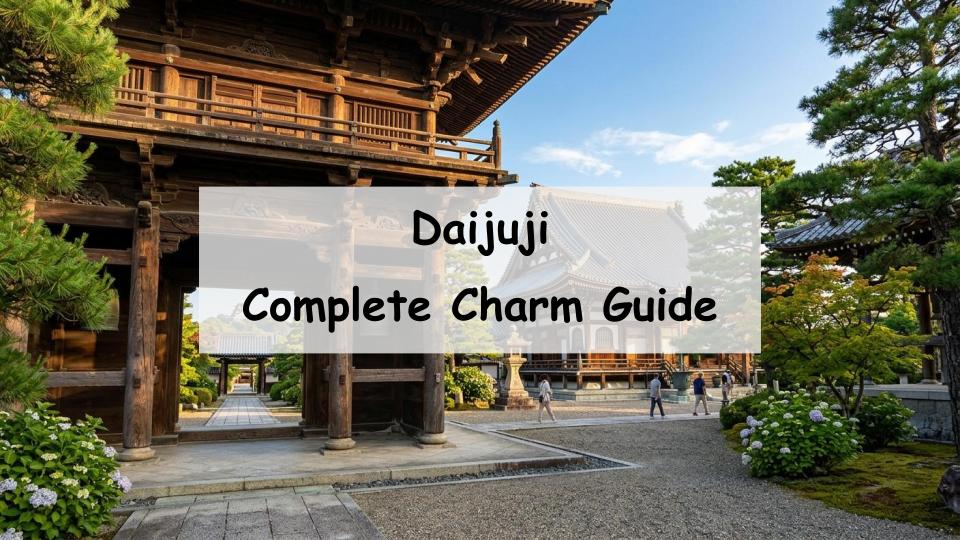
Located in Okazaki City, Aichi Prefecture, Jodo-shu Jodo-san Daiju-ji Temple is a historic Buddhist temple renowned as the ancestral temple of the Tokugawa Shogunate.
Staying in the Nagoya area, I set out early in the morning by car, taking in the crisp, fresh air on the drive over to Daiju-ji.
I arrived around 9:30 AM. There were hardly any other visitors around yet, leaving the temple grounds wrapped in a peaceful, serene atmosphere. Being able to stroll around quietly and immerse myself in history without the crowds is one of the true joys of an early morning visit.
Real Experience: Morning Tranquility and Serene Atmosphere
Stepping out of the parking lot onto the temple grounds, the hustle and bustle of daily life instantly dissolved, replaced by a calm, solemn air.
By the way, while parking requires a fee, I was pleasantly surprised to find that electronic payment (such as IC transport cards) was accepted. Skipping the hassle of digging for spare change is a small but welcome detail when you are on a road trip!
Bathed in the soft morning light, every corner of the temple grounds looked picture-perfect, showcasing the timeless beauty of traditional Japanese wooden architecture.
Buddhist Statues & Highlights: Meeting the Sacred & Historical Wonders
As someone who loves visiting Buddhist statues across Japan, what truly moved me at Daiju-ji was the tranquil presence of its main image and, above all, the overwhelming sense of history surrounding the mortuary tablets (Ihai).
The principal image of Daiju-ji is a statue of Amida Nyorai (Amitabha Buddha). Facing the statue offers a warm, calming sense of peace to all who pause to pray.

A Striking Encounter: Life-Sized Mortuary Tablets of the Tokugawa Shoguns
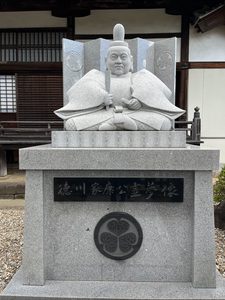
The absolute highlight of the visit—located inside the paid Ihai-do hall behind the main building—is the collection of mortuary tablets of the Tokugawa Shoguns.
What makes these tablets so incredible is that each one was carved to match the exact height of the respective shogun at the time of his passing:
- Shogun Ieyasu: 159 cm (5 ft 2 in)
- Shogun Hidetada: 160 cm (5 ft 3 in)
- Shogun Iemitsu: 157 cm (5 ft 1 in)
Standing before them, looking at the neatly lined tablets, historical figures who usually feel distant suddenly feel remarkably real—you realize “he was quite compact,” or “he was tall for his time.”
While I usually focus on the artistic craftsmanship of Buddhist statues, this space felt truly unique. Each tablet radiates the presence and dignity of those who shaped Japanese history. It is an extraordinary experience that you simply cannot miss when visiting Daiju-ji.

Sightseeing Guide: Architecture & Highlights of Daiju-ji
Beyond the Ihai-do hall, Daiju-ji features several architectural treasures and historic spots well worth exploring.
1. A Straight Line to Okazaki Castle: The “Vista Line”
Looking through the main gate (Sanmon) and outer gate (Somon), you can see Okazaki Castle roughly 3 kilometers away in a perfectly straight line. To preserve this historical view, local building regulations restrict high-rise developments along this path, allowing visitors today to enjoy the framed view of Okazaki Castle just as it was centuries ago.
2. Important Cultural Properties: Sanmon Gate & Tahoto Pagoda
- Sanmon Gate: Rebuilt in 1641 by the third shogun, Tokugawa Iemitsu, featuring impressive and heavy wooden architecture.
- Tahoto Pagoda: Built in 1535 during the Muromachi period by Matsudaira Kiyoyasu, the grandfather of Tokugawa Ieyasu. It is designated as a National Important Cultural Property.

3. A Turning Point in History: Ieyasu’s Resolve
When his lord Imagawa Yoshimoto fell at the Battle of Okehazama, a young Tokugawa Ieyasu retreated to Daiju-ji, intending to commit ritual suicide before his ancestors’ graves. However, the chief priest counseled him with the Buddhist teaching “Onri Edo Gongu Jodo” (“Eschew the Impure World, Seek the Pure Land”). Reinvigorated by these words, Ieyasu chose to live and dedicate his life to bringing peace to a war-torn nation.
Basic Guide: Sect, Hours, Admission & Access
Here is the essential information you need to plan your visit to Daiju-ji Temple:
| Item | Details |
| Temple Name | Jodo-san Daiju-ji Temple (成道山 大樹寺) |
| Sect | Jodo-shu (Pure Land Buddhism) |
| Principal Image | Amida Nyorai |
| Opening Hours | 9:00 AM – 4:00 PM (Last entry 3:30 PM) |
| Admission | Free for grounds / Paid Hall & Treasury: Adults ¥500, Children ¥300 |
| Parking | Available (Paid / Electronic payment accepted) |
| Location | 59 Hiromoto, Kamoda-cho, Okazaki-shi, Aichi |
| Access (Car) | Approx. 15 mins from Toyota-Higashi IC (Isewangan Expressway) or Okazaki IC (Tomei Expressway) |
| Access (Public Transit) | From Meitetsu Higashi-Okazaki Station, take the Meitetsu Bus bound for “Daijuji” and get off at “Daijuji” (approx. 5-min walk) |
Final Thoughts
Daiju-ji Temple is a place where the legacy of Tokugawa Ieyasu and his descendants remains vividly alive.
Standing in the quiet morning hall, coming face-to-face with the life-sized mortuary tablets of the shoguns was an unforgettable experience that made history feel tangible.
If you are planning a trip to Okazaki, I highly recommend visiting early in the morning to take in the clear air, gaze down the Vista Line, and immerse yourself in Japan’s rich history.
👉 Check out on Instagram

Comment