“I’d love to visit Hozenji Temple in Osaka, but what makes it special and what are the main highlights?”
“I want to check the access and surrounding atmosphere before I go!”
Just a short walk from Namba’s bustling downtown area, you will find “Hozenji Temple.” Although many people have heard its name, quite a few are unsure about its history, unique charm, or how to fully enjoy their visit.
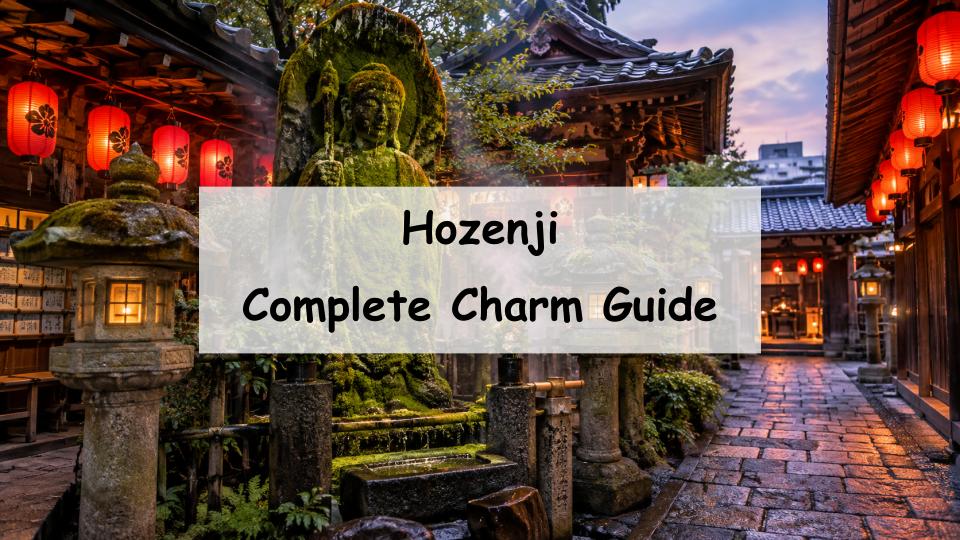
To put it simply, Hozenji Temple is a signature historical and cultural spot in Osaka’s Minami district, where you can pray to the moss-covered Mizukake Fudo (Nishimuki Fudomyoo) and stroll through the nostalgia-filled stone-paved alley of “Hozenji Yokocho.” Despite being located in the heart of a vibrant neighborhood, it remains a rare sanctuary where you can experience serenity and deep tradition, loved by worshippers and travelers alike.
In this article, we will explain the features and must-see highlights of Hozenji Temple, as well as detailed access information from nearby stations. Use this guide to make the most of your visit!
- What is Hozenji Temple? Overview, History, and Features
- Experience the Best of Hozenji! Recommended Highlights
- Access, Directions, and Basic Information
- Nearby Attractions to Visit Together with Hozenji
- Summary: Enjoy the History and Nostalgic Atmosphere of Minami at Hozenji
- A Message from the Guide
What is Hozenji Temple? Overview, History, and Features
A Jodo Sect Temple Nestled in Namba’s Busy Downtown
Hozenji is a Buddhist temple belonging to the Jodo Sect, located in Chuo Ward, Osaka City. Its official name is Jodo Sect Tenryuzan Hozenji, and it enshrines Amida Nyorai as its principal image. Situated right near vibrant districts like Dotonbori and Shinsaibashi—famous for their giant neon signs—the temple grounds offer a peaceful retreat from the noise of the city.
History Originating from 1,000-Day Chanting and the Name “Sennichimae”
The history of Hozenji dates back to 1637, when it was relocated from Uji in Yamashiro Province to its current site in Namba. In the past, monks conducted a 1,000-day continuous Buddhist chanting ritual called “Sennichi Eko” to pray for the souls of the deceased. It is said that the surrounding neighborhood and approach to the temple came to be known as “Sennichimae” (meaning “in front of the 1,000 days”) because of this ritual.
The Unique Charm and Atmosphere of Hozenji
The greatest appeal of Hozenji Temple lies in its warm, historic atmosphere that has stood alongside the daily lives and faith of local residents for centuries. Although the grounds suffered severe damage during the air raids of World War II, the statue of Fudomyoo miraculously survived. Through postwar reconstruction, the temple continues to preserve its distinct mood, welcoming locals and visitors with the gentle scent of incense and an enduring sense of calm.
Experience the Best of Hozenji! Recommended Highlights
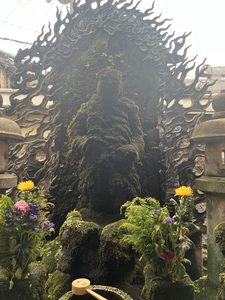
“Mizukake Fudo” (Nishimuki Fudomyoo) Covered in Green Moss
The defining symbol of Hozenji Temple is the “Mizukake Fudo” statue standing in the precinct. Facing west, it is also called “Nishimuki Fudomyoo,” and its entire body—from head to toe—is covered in vibrant green moss. A Fudo statue in this condition is extremely rare across Japan, creating an unforgettable and iconic sight.
Why is it Covered in Moss? Origins and Blessings of Water Pouring
The reason Fudomyoo is blanketed in green moss is that visitors have poured water over it while praying over many decades. Shortly after World War II, a woman visiting the temple poured offered water over the statue while making a wish. This practice quickly spread to other worshipers, and over the years, lush moss grew across the statue. Mizukake Fudo is widely revered for granting a broad range of blessings, including business success, matchmaking, recovery from illness, and family safety.


Step-by-Step Guide to Praying and Proper Etiquette
When praying to Mizukake Fudo, first cleanse your hands at the water pavilion (Temizuya) and offer a quiet bow. Next, use the ladle provided to scoop water and gently pour it over the Fudomyoo statue as well as the two attendant statues at its sides (Kongara Doji and Seitaka Doji). Pouring water while focusing on your wish is believed to help your prayer reach the deity. Out of courtesy, please pour water softly so it does not splash onto nearby visitors.
“Hozenji Yokocho”: A Stone-Paved Alley Filled with Osakan Charm
Adjacent to the temple grounds is “Hozenji Yokocho,” a pair of narrow stone-paved alleys measuring roughly 80 meters long and 3 meters wide. Evolving from food stalls that once lined the temple entrance, these alleys are now home to long-established Japanese restaurants, okonomiyaki shops, kushikatsu eateries, and cozy bars, preserving the nostalgic flair of old Osaka.
Sakunosuke Oda’s Novel “Meoto Zenzai” and the Literary Monument
Hozenji Yokocho is famous as the setting for Meoto Zenzai, a representative 1940 novel by Osaka-born author Sakunosuke Oda. The atmospheric scenes depicted in the story captured the hearts of readers and helped introduce Hozenji to people across Japan. A literary monument dedicated to Sakunosuke Oda stands within the alley, allowing visitors to feel the literary history and Showa-era charm of Osaka.
Savoring “Meoto Zenzai” Sweet Red Bean Soup
A must-try sweet treat when visiting Hozenji Yokocho is the famous “Meoto Zenzai” served at a traditional confectionery shop. One order brings two small bowls of warm sweet red bean soup with mochi. This custom originated as a clever way to make a single portion appear more generous, and today it is cherished as a symbol of marital harmony and romantic luck.
Jizo Statues and Konpira-do Hall
In addition to Mizukake Fudo, the temple grounds feature several other noteworthy sites. These include “Konpira-do Hall,” which protects business prosperity and traffic safety, and serene Jizo statues such as “Ohatsu Tenjin Jizo,” which welcome worshipers with compassionate expressions. Strolling through the grounds to visit each hall and statue offers a deeper sense of peace and spiritual connection.
Access, Directions, and Basic Information
Train Access and Exit Info from Nearby Stations
Public transportation is the most convenient way to reach Hozenji Temple. The closest station is Namba Station on Osaka Metro (Midosuji, Yotsubashi, and Sennichimae Lines) or Osaka-Namba Station on the Kintetsu and Hanshin Lines. Exit via Exit 14 or Exits B16/B18, then walk through the Sennichimae shopping street area for about 3 to 5 minutes to reach the charming entrance of Hozenji Yokocho. It is also a 7-minute walk from Nankai Electric Railway’s Namba Station.
Bus and Car Access, plus Nearby Parking
If traveling by Osaka City Bus, get off at the “Namba” bus stop and walk toward the temple via Namba Station. If arriving by car, take the Minatomachi Exit or Dotonbori Exit on the Hanshin Expressway Route 15 Sakai Line. However, the alleys around Hozenji are extremely narrow and closed to vehicles. Drivers should park at nearby coin-operated parking lots or the Sennichimae Underground Parking Lot and walk to the temple.
Hours, Admission Fees, and Visitor Tips
The grounds of Hozenji Temple are open 24 hours a day with free admission. At night, lanterns light up the area, creating a magical and peaceful mood quite different from daytime. A quiet walk early in the morning or during the evening twilight is highly recommended.
Nearby Attractions to Visit Together with Hozenji
Shopping and Dining in Dotonbori and Shinsaibashi
Just a few minutes’ walk from Hozenji is the heart of Osaka tourism: Dotonbori and Shinsaibashi. In addition to taking photos near the famous Glico running man sign at Dotonbori Bridge, you can indulge in local food culture with takoyaki, okonomiyaki, and kushikatsu. Combining your temple visit with shopping along Shinsaibashi-suji Shopping Street is a great way to experience the best of Minami.
Enjoying Osaka’s Comedy Culture at Namba Grand Kagetshu
About a 5-minute walk south of Hozenji is “Namba Grand Kagetshu,” the flagship theater of Yoshimoto Kogyo. Live shows featuring Yoshimoto Shinkigeki (comedy theater), top stand-up comedians, and rakugo storytellers are performed daily. Adding a comedy show after your historical stroll through Hozenji lets you experience Osaka’s rich entertainment culture firsthand.
Summary: Enjoy the History and Nostalgic Atmosphere of Minami at Hozenji
Hozenji Temple is a precious historical sanctuary located right in the center of Osaka’s lively Minami district. From praying at the moss-covered “Mizukake Fudo” to strolling along the cobblestone paths of “Hozenji Yokocho” and tasting “Meoto Zenzai,” it offers unique experiences you cannot find anywhere else.
With easy access within walking distance from Namba Station and close proximity to major spots like Dotonbori and Namba Grand Kagetshu, it is an essential stop for any Osaka itinerary. Be sure to step into Hozenji to enjoy a memorable moment surrounded by history and timeless charm!
A Message from the Guide

Mizukake Fudo is so covered in moss that you can barely even tell if it’s actually Fudomyoo anymore.
👉 Check out on Instagram


Comment