As someone passionate about Japanese Buddhist statues, there are places that instantly move you the moment you set eyes on them. Kimiidera Temple in Wakayama Prefecture was precisely one of those unforgettable destinations.
On this trip, I decided to drive over, enjoying a scenic road trip along the way. The temple area has well-maintained parking lots nearby, making it very accessible and stress-free for travelers coming by car.
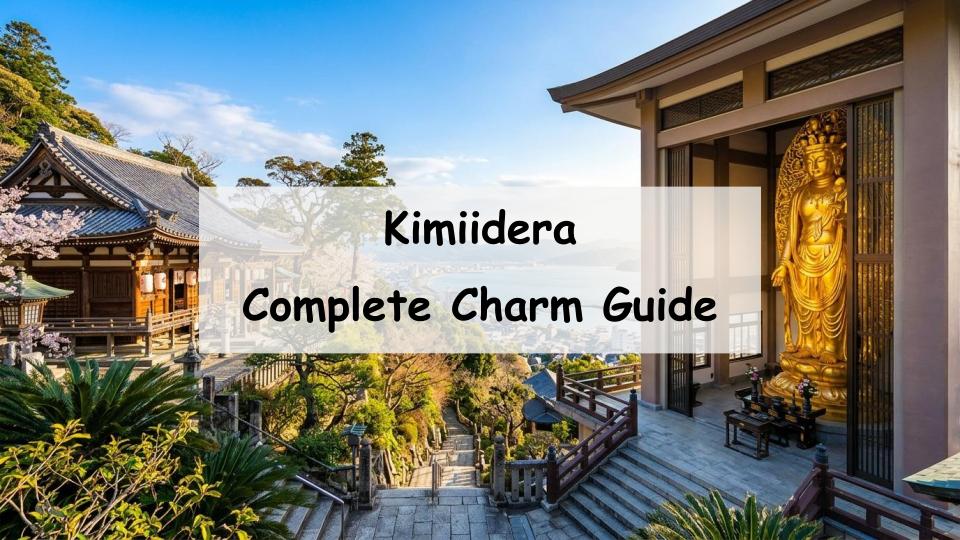
Stepping into the temple grounds, the very first thing that greets you is the famous Kechien-zaka, a steep stone staircase of 231 steps! As you climb step by step, taking a breath along the way, a sweeping panoramic view of Wakanoura Bay and the surrounding city begins to unfold behind you. That rewarding contrast—exerting yourself on the climb only to be met with refreshing sea breezes and centuries of history—is the absolute highlight of visiting Kimiidera.
My Experience: The Atmosphere and Sweeping Coastal Views
Reaching the top of the stone steps, I felt wrapped in an atmosphere that was both reverent and deeply welcoming. The glorious view overlooking Wakanoura Bay instantly swept away any fatigue from the climb.
It is easy to see why poets and travelers throughout history fell in love with this location. The soothing sound of natural spring water echoes gently through the grounds while cool breezes pass through the trees. Rather than feeling like a typical tourist stop, it offers a vivid, present-moment experience of standing inside a living sacred site.
The Beauty of the Statues: Encountering the Sacred Presence in the Main Halls
The encounter with the temple’s Buddhist statues was naturally what I looked forward to most. Kimiidera is world-famous for its Great Guanyin Statue (Daibutsuden), erected in 2006, but standing before it in person far exceeded my expectations.
Glowing in Gold! The Overwhelming Presence of the Great Guanyin
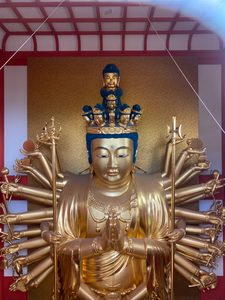
The moment I stepped through the doors of the Great Buddha Hall and looked up, an unexpected gasp escaped my lips. Enshrined before me was an immense Eleven-Headed Guanyin (Ekadasamukha) glowing brilliantly in gold.
- One of Japan’s largest wooden statues, standing roughly 12 meters (39 feet) tall.
- Covered in shimmering gold leaf, exuding a divine presence paired with a deeply compassionate expression.
Looking up at her presence, I lost all track of time, captivated by the warm yet powerful aura. Photos simply cannot capture the weight and radiance of seeing it in person—it is a sight every art and temple enthusiast should experience at least once.

Don’t Miss the Cultural Artifacts Exhibition!
Another experience I highly recommend is the Cultural Artifacts Exhibition. While it requires a separate admission fee from the main temple entry, it is worth every single yen.
Inside the exhibition rooms, you can view precious temple treasures and statues up close. A great feature is the audio guide system. Even if you aren’t familiar with Buddhist iconography, the clear commentary explains the origins, history, and sculptural highlights of each piece in a way that is easy to understand and deeply engaging.
Listening to the historical background while gazing at the intricate details gave me a much richer appreciation for the subtle expressions and stories carved into each statue.
Highlights of Kimiidera: Architecture & Sacred Spots
Beyond its statues, Kimiidera is packed with historical and architectural wonders across its grounds. Here are the key spots to check out during your visit:
- Romon Gate (Important Cultural Property)A vibrant vermilion gate standing at the entrance to the temple grounds. Dating back to the Muromachi period, its wooden craftsmanship is magnificent.
- Tahoto Pagoda (Important Cultural Property)A beautiful two-tiered pagoda located near the Main Hall. Rebuilt in 1549, its elegant, weathered structure contrasts beautifully against the surrounding greenery.
- Sanseisui (Three Sacred Springs: Shojosui, Yoryusui, Kisshosui)The three natural springs that gave “Kimiidera” its name (literally “Temple with Three Springs”). Selected among Japan’s Top 100 Famous Waters, they still flow continuously today.
- Shin-Butsuden (Great Buddha Hall)The modern hall housing the giant golden Eleven-Headed Guanyin. Equipped with an elevator, the upper floor doubles as an observation deck offering stunning views of the coast.
- Hondo (Main Hall)The central hall housing the temple’s principal image (a secret statue opened to the public only once every 50 years). As the second station on the Saigoku Kannon Pilgrimage, it is filled with the gentle scent of incense and praying pilgrims.

Essential Visitor Guide: Sect, Hours, Fees & Access
Here is a quick summary of essential information to help plan your trip:
| Item | Details |
| Temple Name | Kimiidera Temple (Kimiisan Kuse Kannon-in) |
| Sect | Kuse Kannon Sect (Head Temple) |
| Main Statue | Eleven-Headed Guanyin (Hibutsu / Secret Statue) |
| Opening Hours | 8:00 AM – 5:00 PM (Subject to change during special events) |
| Admission Fees | Grounds Entry: Adults 200 yen / Students & Seniors (70+) 100 yen Great Buddha Hall: Adults 300 yen / Children 100 yen *Special exhibition fees apply separately. |
| Access (by Car) | Approx. 30 mins from Wakayama IC on the Hanwa Expressway via Route 42. *Paid parking lots available around the temple entrance. |
| Access (by Train) | Approx. 10-minute walk from JR Kimiidera Station (Kinokuni Line). |
Final Thoughts
Visiting Kimiidera Temple offers a complete journey: the physical accomplishment of climbing the 231 steps, the panoramic views of the sea, timeless wooden architecture, and above all, the breathtaking encounter with the golden Great Guanyin and historical treasures.
The audio-guided cultural exhibition, in particular, turned an already wonderful visit into an educational and moving experience. Whether you drive or take the train, Kimiidera is a must-visit destination in Wakayama. Don’t miss the chance to stand before the giant golden statue and feel the serene energy of this ancient temple for yourself!
👉 Check out on Instagram

Comment